

 admin
admin 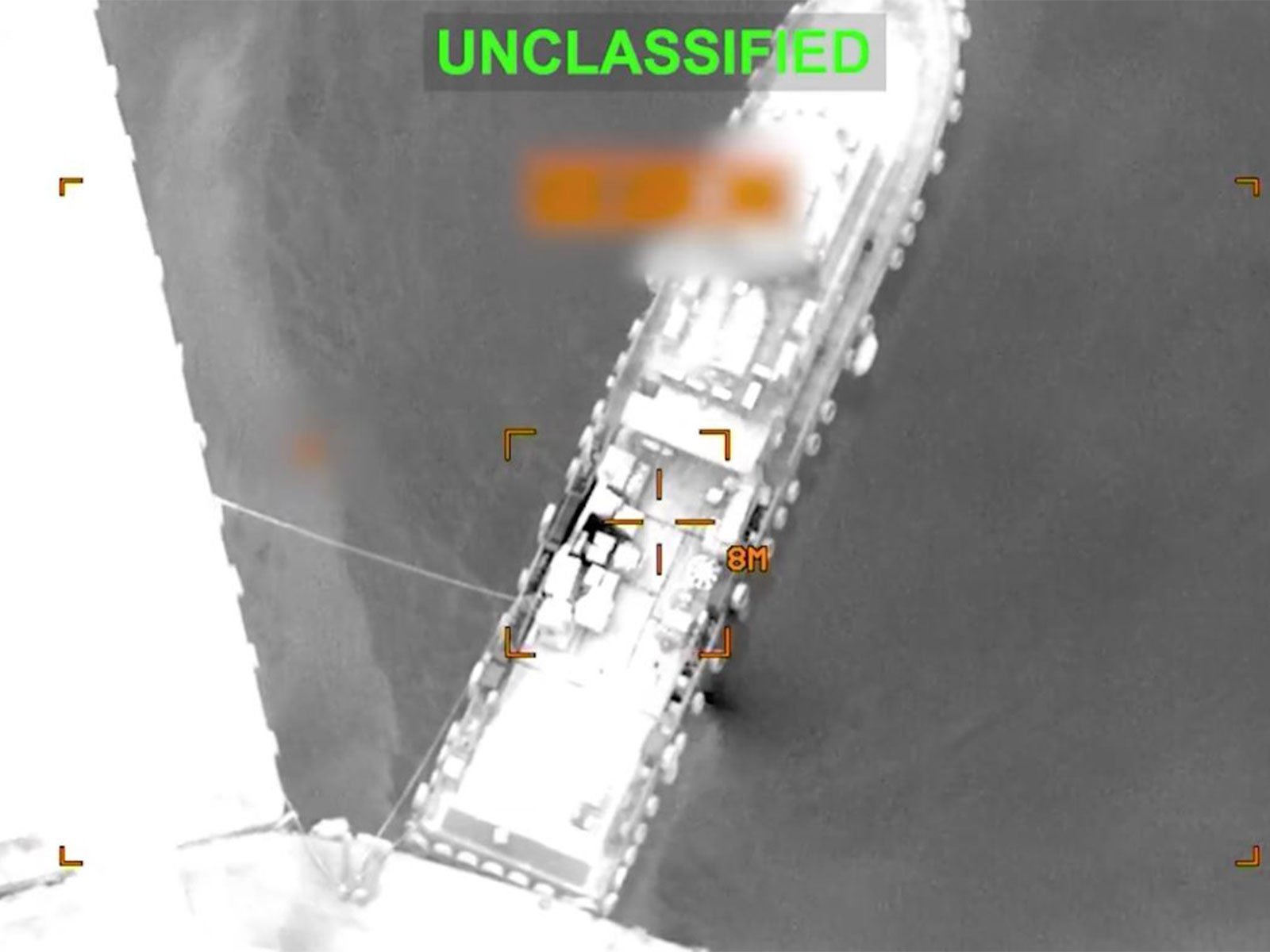
Tehran, March 23: Tensions in the Middle East have escalated sharply as Iran has issued a strong warning that it may indefinitely close the Strait of Hormuz, one of the world’s most critical oil shipping routes, if the United States targets its energy infrastructure.
According to reports, the Iranian Armed Forces Headquarters stated that any attack on the country’s power plants or energy facilities would trigger severe retaliation, including the complete shutdown of the Strait, disrupting global oil supply chains.
Iran Warns of Retaliation
Iran’s Parliament Speaker Mohammad Baqer Qalibaf cautioned the United States against any aggressive action, stating that all energy, oil, and critical infrastructure across the region could become legitimate targets if Iranian facilities are attacked.
He further warned that financial institutions supporting the US military budget could also face consequences, signaling a potential expansion of the conflict beyond traditional military targets.
US Issues Counter Threat
The warning comes after US President Donald Trump reportedly stated that American forces would strike Iranian infrastructure if the Strait of Hormuz was not kept open for international shipping within 48 hours.
Meanwhile, US Central Command (CENTCOM) confirmed that American forces are actively targeting Iranian naval assets that pose a threat to shipping operations in and around the Strait.
Strait of Hormuz: A Global Chokepoint
The Strait of Hormuz is a vital maritime route through which a significant portion of the world’s oil supply passes. Any disruption in this region could lead to sharp increases in global oil prices and widespread economic consequences.
Iran has now indicated that the Strait will remain closed until its damaged energy infrastructure is rebuilt, further heightening concerns in global markets.
Israel Intensifies Military Operations
Amid the escalating conflict, the Israel Defense Forces (IDF) have launched a new wave of extensive strikes targeting Iranian military and intelligence infrastructure in Tehran.
Reports indicate that Israeli forces targeted:
- Military bases
- Missile storage facilities
- Weapons production sites
- Intelligence headquarters
In response, Iran launched ballistic missile attacks on central Israel, causing damage to residential areas and injuring multiple civilians.
Growing Regional Instability
Israeli Prime Minister Benjamin Netanyahu reiterated that Israel, along with the United States, will continue to act forcefully against Iran, calling it a growing threat to regional and global stability.
With both sides escalating military and strategic threats, the situation in the Middle East is becoming increasingly volatile, raising fears of a broader regional conflict.
Impact on Global Economy
Experts warn that any prolonged closure of the Strait of Hormuz could:
- Disrupt global oil supply
- Drive fuel prices significantly higher
- Trigger economic instability worldwide
Iran has already indicated that oil prices could remain elevated for a long period if the conflict intensifies.
The ongoing confrontation between Iran, the United States, and Israel marks one of the most serious geopolitical crises in recent times. With threats targeting critical infrastructure, financial systems, and global energy routes, the coming days will be crucial in determining whether the situation escalates into a wider conflict or moves toward de-escalation.
About The Author