
 admin
admin 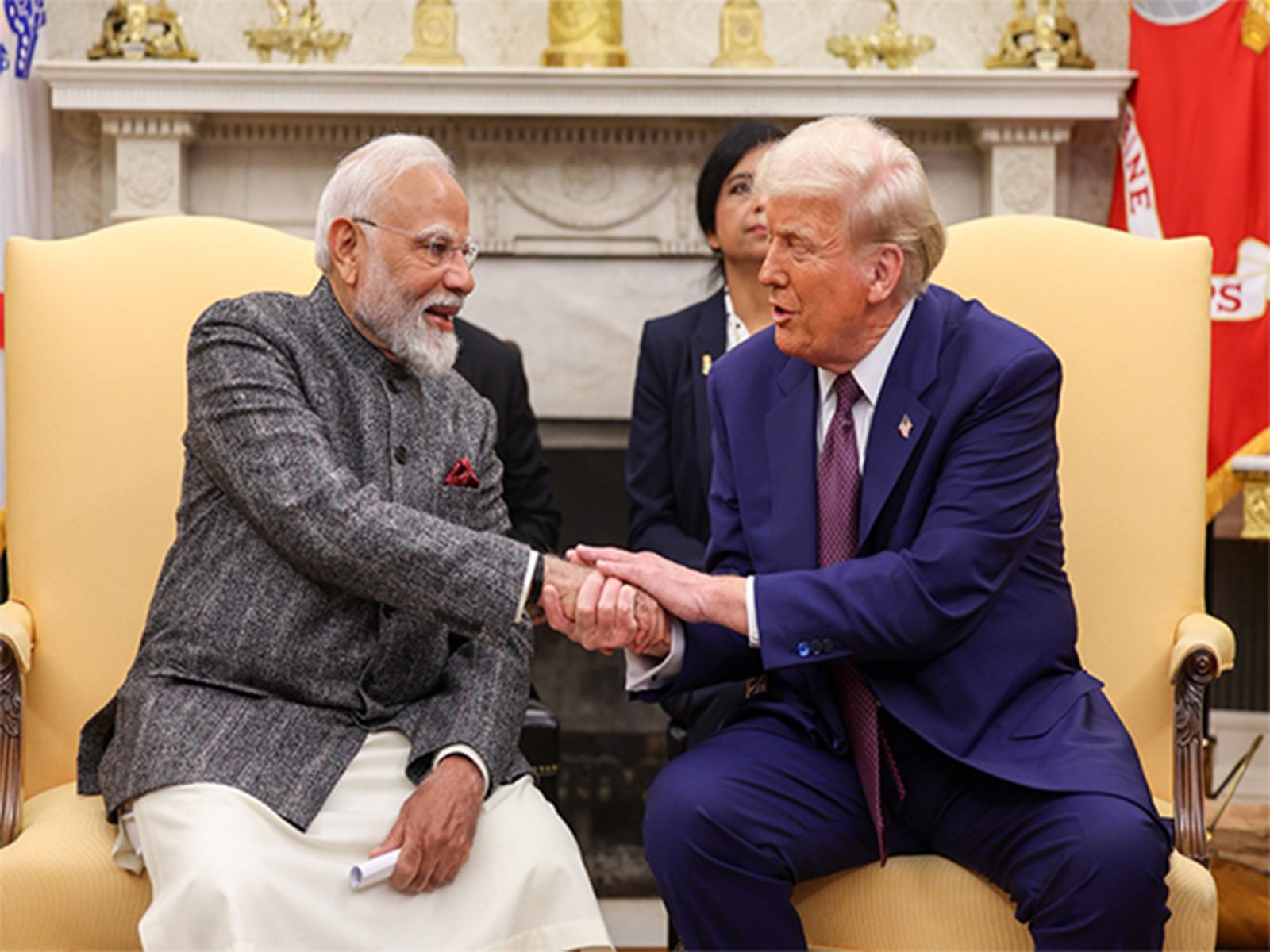
Washington DC, United States | March 28, 2026
The White House has described the recent phone conversation between Prime Minister Narendra Modi and US President Donald Trump as “productive,” highlighting the strong ties between the two leaders.
White House Confirms Positive Dialogue
White House Press Secretary Karoline Leavitt stated that President Trump shares a strong relationship with PM Modi. She emphasized that the recent telephonic interaction reflected mutual understanding and cooperation.
Her remarks came in response to reports suggesting the involvement of a third party during the high-level discussion.
Report on Elon Musk’s Alleged Involvement
According to a report by The New York Times, Elon Musk may have joined the phone call between the two leaders. If confirmed, this would mark an unusual instance of a private individual participating in a diplomatic conversation between heads of state.
The report, citing US officials, also suggested that Musk’s involvement could signal improving relations between him and President Trump after their earlier differences.
Focus on West Asia and Global Stability
Importantly, the conversation between PM Modi and President Trump took place at a time of rising tensions in West Asia. Both leaders discussed the ongoing conflict and its impact on global energy routes.
In a statement shared on social media, PM Modi highlighted the need for:
- De-escalation of tensions
- Restoration of peace in the region
- Ensuring secure and open access to the Strait of Hormuz
India’s Stand on Global Peace
PM Modi reiterated India’s position in favor of stability and international cooperation. He stressed that keeping critical maritime routes like the Strait of Hormuz open remains essential for global trade and energy security.
Furthermore, both leaders agreed to stay in touch and continue diplomatic efforts aimed at maintaining peace and stability.
Overall, the conversation between PM Modi and President Trump reflects ongoing diplomatic coordination amid global challenges. As geopolitical tensions continue to rise, such high-level engagements play a crucial role in shaping international responses and ensuring stability.
About The Author