
 admin
admin 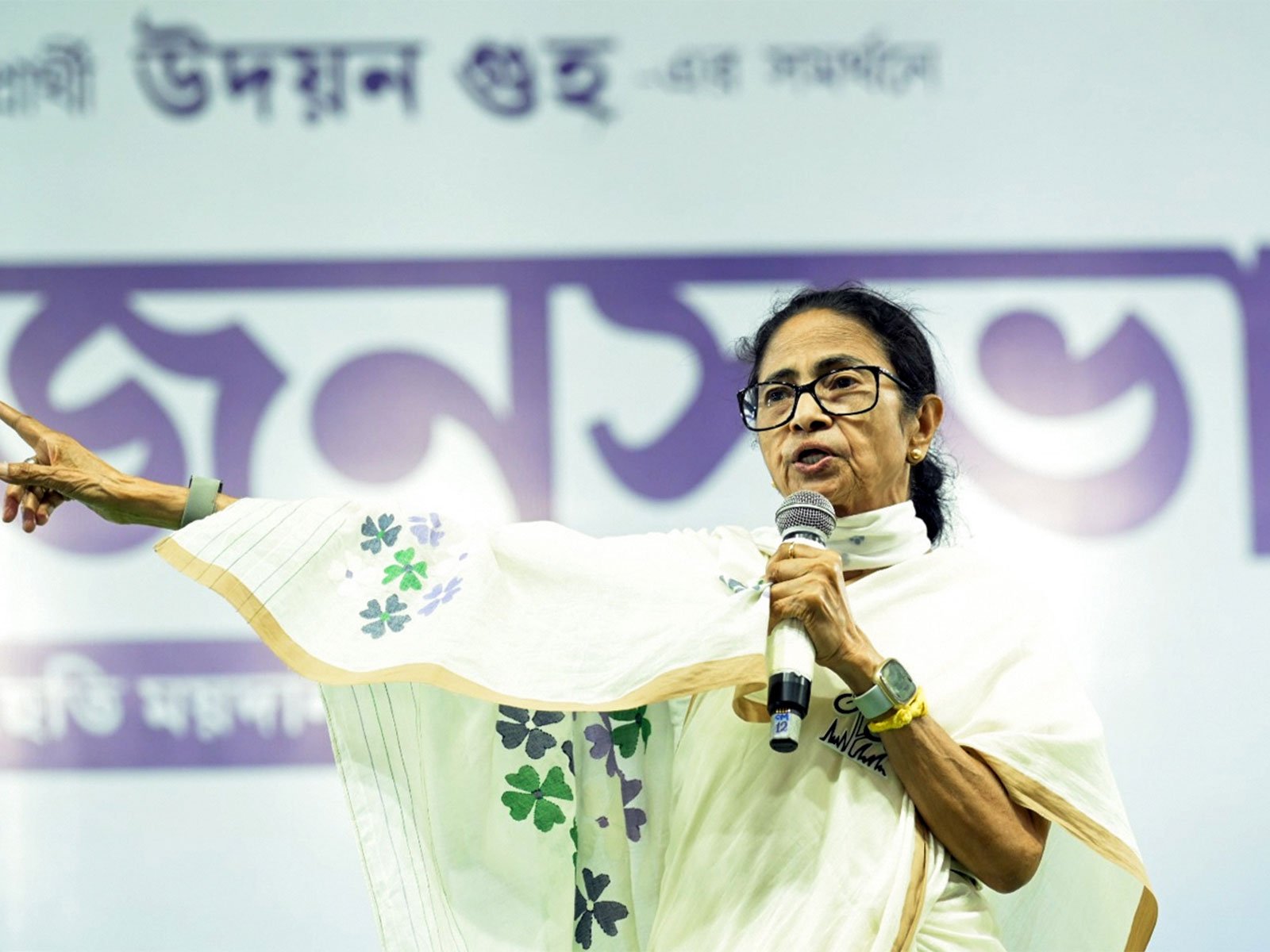
Kolkata, West Bengal | April 17, 2026
As the West Bengal Assembly elections approach, Mamata Banerjee has significantly intensified her campaign. During recent rallies in Cooch Behar, she strongly criticized the Bharatiya Janata Party, calling them “Bangla-Birodhi” forces.
Mamata Banerjee Targets “Bangla-Birodhi” Narrative
Mamata Banerjee directly addressed voters while speaking at multiple campaign events. She stated that she would not allow any force to create suffering for the people of West Bengal. Moreover, she used strong language to describe her opposition, referring to them as “Bangla-Birodhi Zamindars.”
She emphasized her commitment clearly. According to her, protecting Bengal’s identity remains her top priority. At the same time, she promised to safeguard citizens’ rights and preserve the state’s inclusive culture.
Additionally, Banerjee shared her message through social media. She posted a campaign video on X and urged people to stand with her. She also highlighted the importance of unity in protecting the state’s future.
Strong Focus on Secularism and Inclusivity
Mamata Banerjee repeatedly stressed the importance of secular values. She warned voters about forces that attempt to divide society. Therefore, she positioned herself as a leader who stands for unity and harmony.
Furthermore, she reminded voters about West Bengal’s cultural diversity. She stated that her government has always supported inclusivity. Because of this, she urged people to reject divisive politics and support her vision.
At the same time, her speeches focused on emotional connection. She frequently mentioned “Maa, Mati, Manush,” which represents her political ideology. This slogan continues to resonate strongly with her supporters.
Highlighting Her Political Journey
Mamata Banerjee also spoke about her long political career. She explained that her journey began with student politics. Since then, she has consistently worked for the people of West Bengal.
Moreover, she pointed out that her leadership has always remained people-centric. She stated that she has served as Chief Minister for three terms. Despite that, she continues to stay connected with the grassroots.
She described the people of Bengal as her biggest strength. In addition, she expressed gratitude for their continuous support. According to her, public trust motivates her to work harder.
Campaigning for Key Candidates Across North Bengal
During her campaign in North Bengal, Mamata Banerjee actively supported several candidates from the All India Trinamool Congress. She campaigned in multiple constituencies, including Mathabhanga, Sitalkuchi, and Cooch Behar Dakshin.
She also addressed rallies in Alipurduar, Kalchini, Kumargram, and Falakata. In each location, she urged voters to support the party’s symbol, “Joraphool” (twin flowers).
Additionally, she highlighted the importance of local leadership. She encouraged voters to choose candidates who understand regional issues. Because of this approach, her campaign focused heavily on grassroots engagement.
Intensifying Political Battle in West Bengal
The upcoming elections have created a highly competitive political environment. On one hand, the Trinamool Congress aims to secure a fourth consecutive term. On the other hand, the BJP seeks to expand its presence and form the government.
Therefore, both parties have increased their campaign efforts. Rallies, roadshows, and digital outreach have become more frequent. As a result, voter engagement has reached a peak.
Furthermore, North Bengal has emerged as a crucial battleground. Political analysts consider this region highly significant due to its diverse voter base. Consequently, both parties have deployed senior leaders to campaign intensively in these areas.
Election Schedule and Key Dates
The Election Commission has announced a two-phase voting schedule for West Bengal. Voting will take place on April 23 and April 29. Meanwhile, the counting of votes will occur on May 4.
These dates have increased political activity across the state. Campaigning has entered its final stage, and leaders have started making stronger appeals to voters.
At the same time, security arrangements have been strengthened. Authorities aim to ensure peaceful and fair elections. Because of past electoral tensions, officials remain alert across sensitive regions.
Mamata Banerjee’s Strategic Messaging
Mamata Banerjee’s campaign strategy focuses on emotional connection and regional identity. She frequently emphasizes Bengal’s pride and cultural heritage. In addition, she positions herself as a protector of the state’s values.
Moreover, her speeches combine strong criticism of opponents with promises of development. She highlights her government’s work while questioning the intentions of rival parties.
She also uses simple and direct language. This approach helps her connect easily with voters from different backgrounds. As a result, her rallies continue to attract large crowds.
Voter Sentiment and Political Momentum
Voter sentiment in West Bengal appears dynamic. While some voters support continuity, others seek change. Therefore, the final phase of campaigning holds significant importance.
Political experts believe that turnout will play a crucial role. Higher voter participation could influence the overall outcome. Consequently, all parties are focusing on mobilizing voters.
At the same time, social media has become a key campaign tool. Leaders use digital platforms to reach younger audiences. Mamata Banerjee’s recent posts reflect this trend, as she actively engages with supporters online.
About The Author