
‘Justice is served, India doesn’t forget’: Army recalls Op Sindoor on Pahalgam attack anniversary
 admin
admin 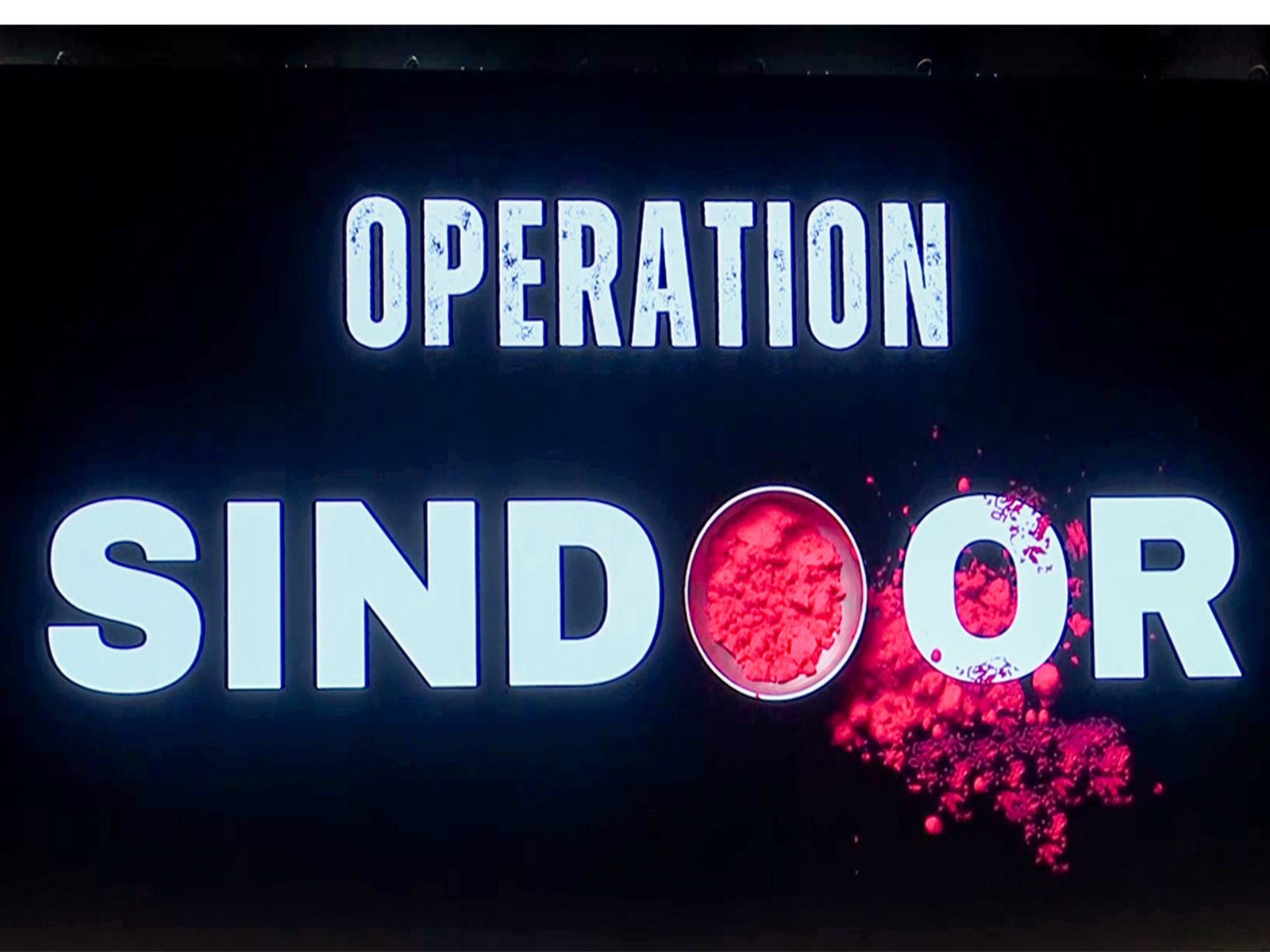
New Delhi | April 21, 2026
As the nation marks the first anniversary of the tragic Pahalgam attack, the Indian Army has reiterated its strong stance against terrorism, recalling the decisive response through Operation Sindoor. The message was clear—India remembers, and it responds firmly when its sovereignty and humanity are challenged.
The attack, which occurred on April 22, 2025, shook the country. In the serene tourist destination of Pahalgam, terrorists targeted innocent civilians, killing 26 people in a brutal act of violence. The incident left a lasting scar on the nation and the affected families.
Army’s Message: ‘Justice is Served’
On the eve of the anniversary, the Army’s Additional Directorate General of Public Information (ADG PI) shared a powerful message emphasizing national unity and justice. The statement highlighted that when the boundaries of humanity are crossed, India delivers a decisive response.
The message, accompanied by a graphic referencing Operation Sindoor, reinforced the idea that India does not forget acts of terror and remains committed to safeguarding its citizens.
Remembering the Victims and Their Families
While the country reflects on the attack, families of the victims continue to struggle with their loss. Many have faced emotional and financial challenges in the aftermath.
One such story is of Prasanta Kumar Satapathy, who lost his life in the attack. His wife shared how their lives changed forever after the tragedy. She spoke about the difficulties of managing the household and raising her child alone.
Moreover, she appealed to the government to fulfill promises made to victims’ families, including employment support and educational assistance. While some financial aid has been provided, certain commitments remain pending.
Operation Sindoor: India’s Decisive Military Response
Following the attack, India launched Operation Sindoor on May 7, 2025, as a direct response to the terror strike. The operation targeted terror infrastructure across the border in Pakistan and Pakistan-occupied Jammu and Kashmir (PoJK).
During the operation, Indian armed forces destroyed multiple terror launchpads linked to groups such as Lashkar-e-Taiba, Jaish-e-Mohammed, and Hizbul Mujahideen. Reports indicate that over 100 terrorists were neutralized during the mission.
This operation demonstrated India’s resolve to counter terrorism with precision and strength.
Escalation and Ceasefire
The aftermath of Operation Sindoor saw heightened tensions between India and Pakistan. Cross-border shelling and drone attacks led to a brief but intense four-day conflict.
However, India maintained a strong defensive and offensive posture. The armed forces carried out retaliatory strikes, targeting critical installations, including radar systems in Lahore and nearby regions.
Eventually, a ceasefire was agreed upon on May 10, following communication between the Directors General of Military Operations (DGMO) of both countries.
Operation Mahadev: Continued Counter-Terror Efforts
In addition to Operation Sindoor, Indian security forces conducted Operation Mahadev, a joint mission that led to the elimination of three terrorists directly involved in the Pahalgam attack.
This operation further reinforced India’s commitment to bringing perpetrators of terror to justice, regardless of time or location.
Strong Political and Strategic Response
India’s response to the attack was not limited to military action. The government also took significant diplomatic and economic measures.
These included:
- Suspension of the Indus Waters Treaty
- Termination of bilateral trade with Pakistan
- Strengthening internal security frameworks
Narendra Modi made it clear that India would respond firmly to any act of terrorism. He emphasized that there would be no distinction between those who execute attacks and those who sponsor them.
Military Leadership Highlights Coordination
Senior military leaders praised Operation Sindoor as a benchmark of coordinated defense action.
Upendra Dwivedi described the operation as a prime example of “tri-service synergy,” highlighting seamless coordination between the Army, Navy, and Air Force.
Similarly, Amar Preet Singh noted that the operation showcased the precision and strength of the Indian Air Force in responding to threats.
Dinesh K Tripathi emphasized the strategic deployment of naval forces in the Arabian Sea, which played a crucial role in limiting adversary movements.
Mission Sudarshan Chakra: Strengthening Future Preparedness
On Independence Day 2025, Prime Minister Modi announced Mission Sudarshan Chakra, aimed at enhancing India’s defense capabilities and countering infiltration threats.
The initiative focuses on improving surveillance, strengthening border security, and boosting offensive preparedness to prevent future attacks.
National Unity and Resolve
As the anniversary of the Pahalgam attack is observed, the nation stands united in remembrance of the victims. The tragedy serves as a reminder of the ongoing challenges posed by terrorism.
At the same time, India’s response through Operation Sindoor reflects its determination to protect its citizens and uphold national security.
The first anniversary of the Pahalgam attack is both a moment of mourning and a testament to India’s resilience. While families continue to cope with their loss, the nation has demonstrated its strength through decisive action and unity.
Operation Sindoor remains a defining example of India’s commitment to justice and its unwavering stance against terrorism. As the country moves forward, the message remains clear—India does not forget, and it will always stand strong against threats to its people and sovereignty.
About The Author