
 admin
admin 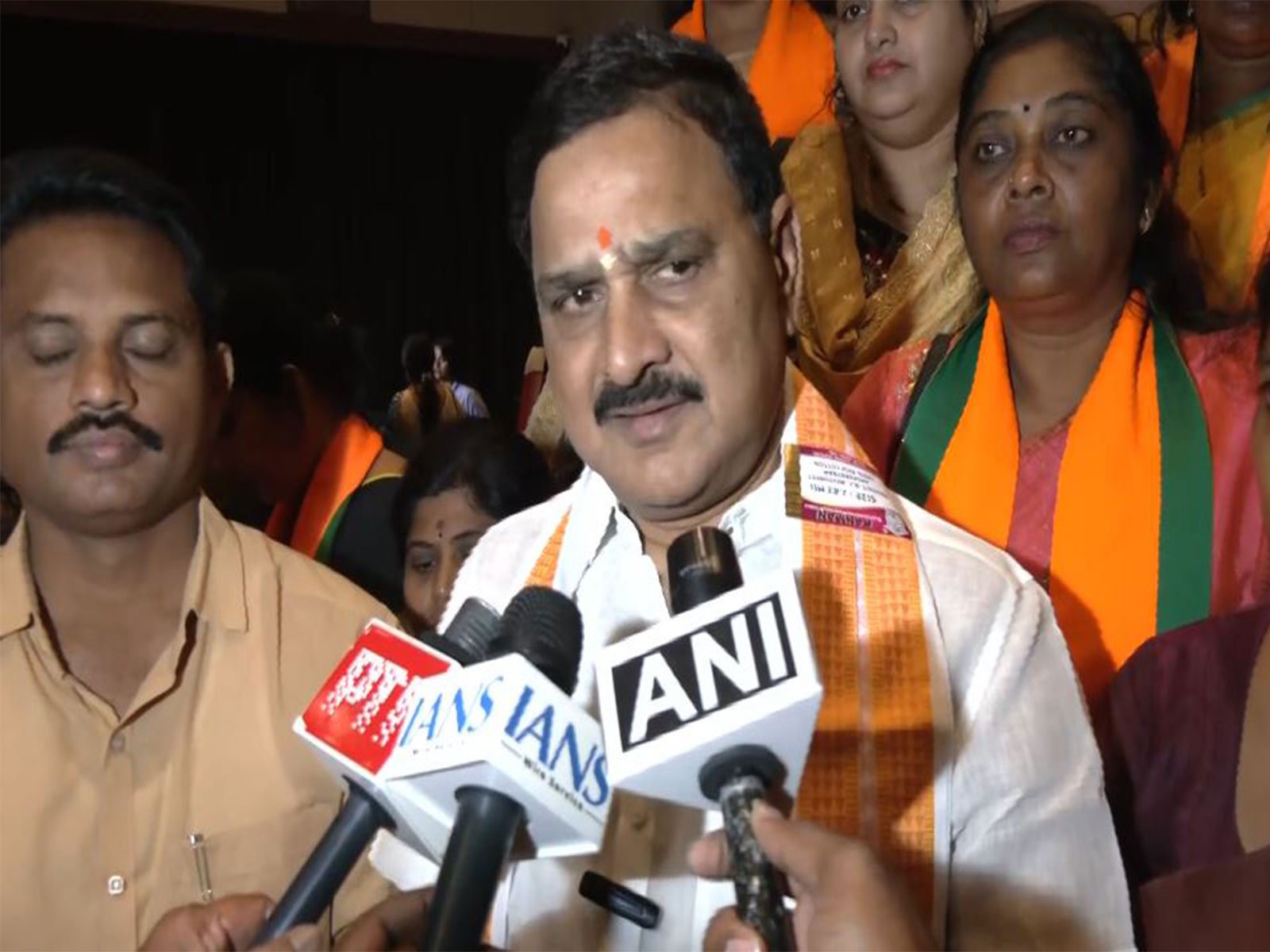
Vijayawada, April 24, 2026 — Union Minister of State for Steel Bhupathi Raju Srinivas Varma said the government led by Narendra Modi remains committed to ensuring women get proper representation in legislative bodies.
Speaking in Vijayawada, he stressed that women’s political reservation is a key priority for the government.
Strong Push for Women’s Representation
Srinivas Varma said the government aims to increase women’s participation in politics. He called it essential for inclusive growth.
“We are committed to giving women their rightful place in legislatures,” he said.
He added that women across India expect meaningful change through this reform.
Women’s Reservation Bill Explained
The Women’s Reservation Bill proposes 33% reservation for women in the Lok Sabha and state assemblies. The government passed the bill in 2023.
The implementation is expected from the 2029 Lok Sabha elections.
The minister said this step will strengthen democracy and improve representation.
Sharp Criticism of Opposition
Srinivas Varma criticized the Indian National Congress and its allies. He accused them of blocking progress on women’s reservations.
“Earlier governments delayed this reform with excuses,” he said.
He also pointed out that opposition parties voted against the amendment bill on April 17 in the Lok Sabha.
Delimitation Debate Continues
Opposition parties have raised concerns about delimitation. They claim southern states may face disadvantages if Lok Sabha seats increase.
However, the minister rejected these claims.
“These concerns are misleading. The government will ensure fairness,” he said.
Government’s Next Step
Srinivas Varma said the government will bring the bill again if needed. He assured that women’s reservation will be implemented.
He emphasized that empowering women politically will strengthen the nation.
The statement from Bhupathi Raju Srinivas Varma highlights the government’s clear stance. The Centre plans to move forward despite opposition.
The Women’s Reservation Bill could transform India’s political system. It may also increase women’s participation in decision-making roles.
About The Author