
 admin
admin 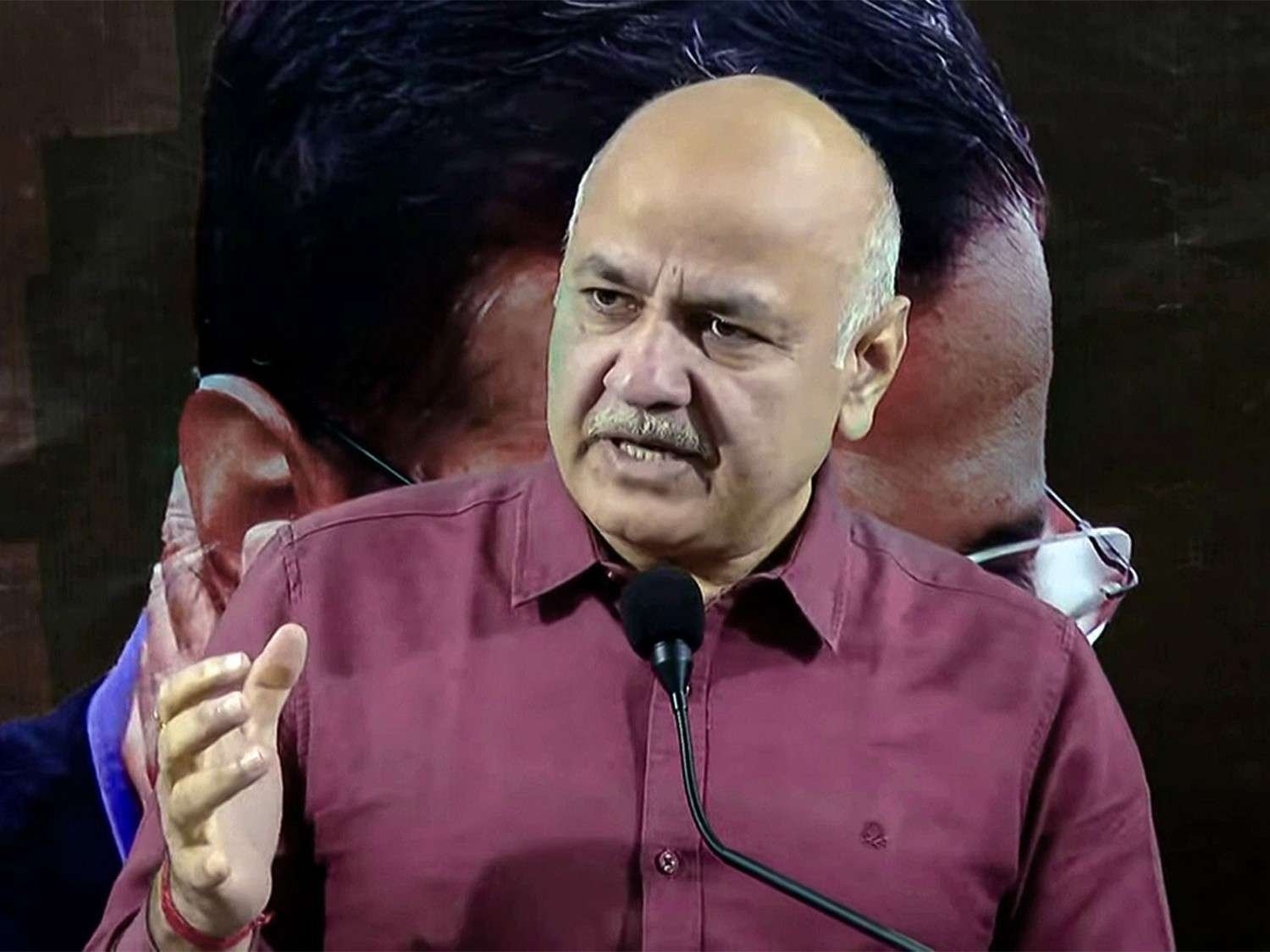
Manish Sisodia Delhi High Court Case: Refuses Lawyer, Chooses Satyagraha
New Delhi, April 28, 2026: The Manish Sisodia Delhi High Court Case has taken a dramatic turn as senior Aam Aadmi Party (AAP) leader Manish Sisodia declared that he will not be represented by any lawyer in the proceedings. In a letter addressed to the Delhi High Court, Sisodia expressed serious concerns about the possibility of receiving justice and stated that he sees no option other than adopting the path of Satyagraha.
According to party sources, Sisodia conveyed that the current situation does not inspire confidence in a fair legal outcome. His decision comes shortly after AAP national convenor Arvind Kejriwal also raised similar concerns regarding the judicial process in the same matter.
Growing Concerns Over Judicial Fairness
In the ongoing Manish Sisodia Delhi High Court Case, the refusal to accept legal representation highlights escalating tensions between AAP leadership and the judicial system. Sisodia’s letter reportedly pointed towards a lack of faith in the process, suggesting that external influences may affect the outcome.
Earlier, Arvind Kejriwal had also written to the court, expressing apprehension over perceived bias. However, he maintained that his respect for the judiciary as an institution remains intact, even while questioning the fairness in this particular case.
Delhi High Court Rejects Recusal Plea
The controversy intensified after the Delhi High Court dismissed Kejriwal’s plea seeking the recusal of Justice Sharma. The court ruled that the allegations did not meet the required legal standards and were based more on perception than concrete evidence.
The court further emphasized that subjective assumptions cannot influence judicial proceedings. It stated that allowing such recusal requests without strong evidence could set a dangerous precedent and undermine the credibility of the judiciary.
This ruling has become a crucial backdrop in the Manish Sisodia Delhi High Court Case, influencing the current stance taken by the AAP leadership.
Political and Legal Dimensions Intertwined
The Manish Sisodia Delhi High Court Case is no longer just a legal matter but has also taken on strong political overtones. Sisodia’s mention of key legal authorities and his concerns about institutional processes reflect a broader narrative being pushed by the party.
AAP leaders continue to allege bias, while the judiciary has firmly reiterated its independence and commitment to due process. This clash of perspectives has made the case highly sensitive and closely watched.
Satyagraha as a Strategic Move
By invoking Satyagraha in the Manish Sisodia Delhi High Court Case, Sisodia is signaling a shift from conventional legal defense to moral and political resistance. The term, historically associated with non-violent protest, suggests that he intends to challenge the situation through symbolic and ethical means rather than courtroom arguments.
Legal experts believe that refusing legal representation could significantly impact the course of the case. However, it also strengthens the political messaging of the AAP, which is positioning itself as a victim of systemic bias.
What Lies Ahead
As the Manish Sisodia Delhi High Court Case continues to unfold, it is expected to generate further debate on judicial accountability, political influence, and the balance between perception and legal standards.
The coming days will be crucial in determining how this unusual approach—combining legal resistance with political messaging—affects both the proceedings and public opinion.
About The Author