
 admin
admin 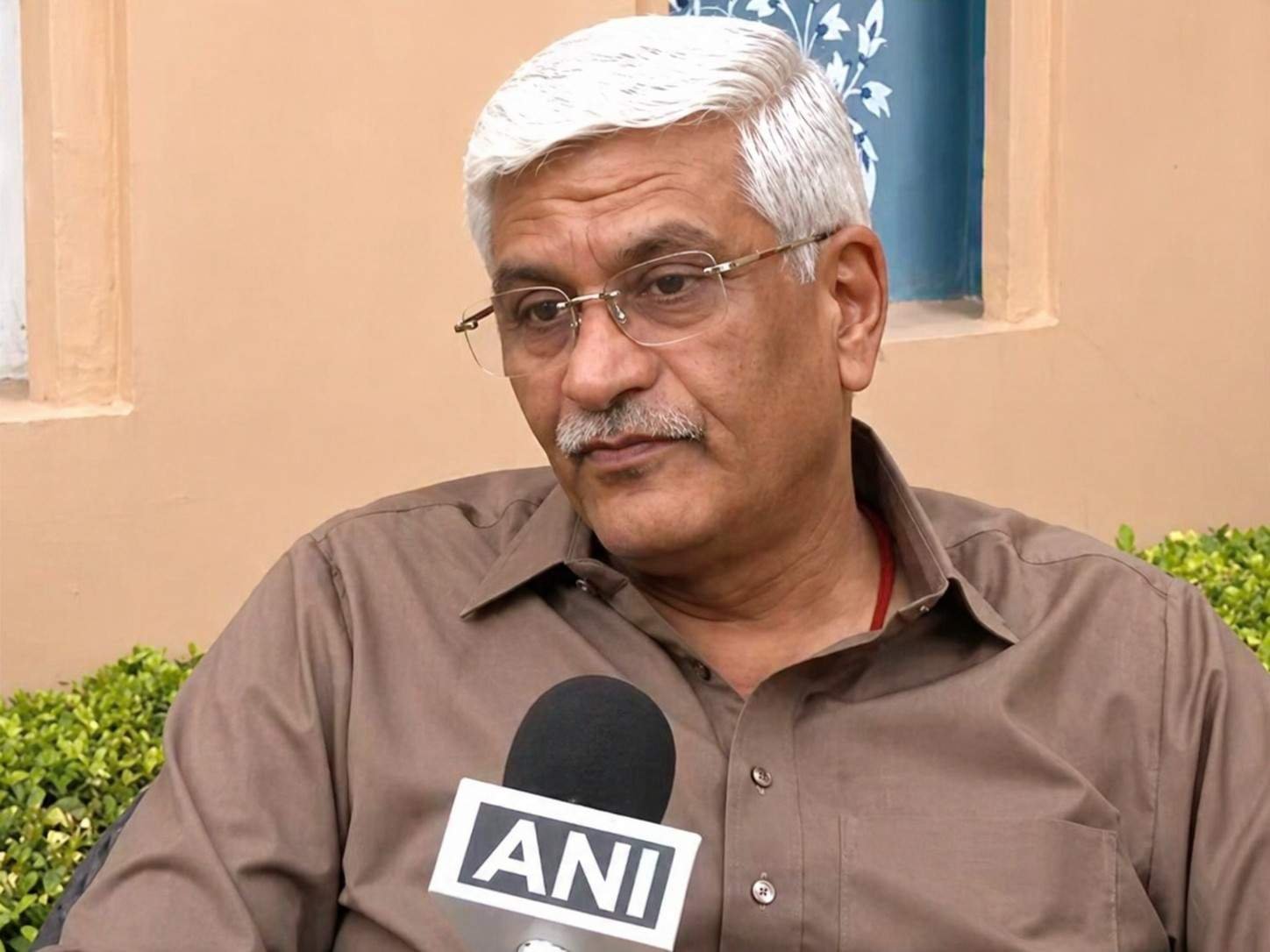
Jaipur, April 28, 2026: The Ashok Gehlot Manesar resort drama controversy has resurfaced in Rajasthan’s political discourse after Union Minister Gajendra Singh Shekhawat launched a sharp attack on senior Congress leader Ashok Gehlot, calling him the “director” of the 2020 political crisis that shook the state. The remarks have reignited debate over the internal conflict within the Indian National Congress and the role of key leaders during the dramatic standoff.
Shekhawat’s Strong Allegations Against Gehlot
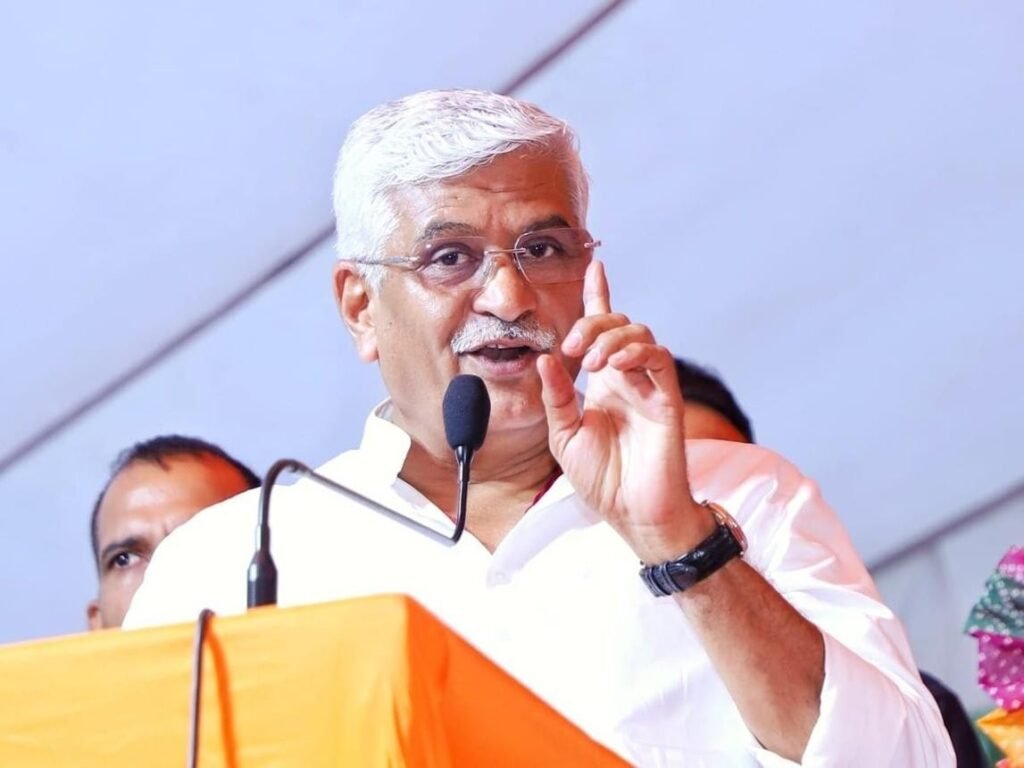
Addressing the media, Shekhawat alleged that Gehlot himself orchestrated the entire sequence of events during the 2020 Rajasthan political crisis. According to him, the Manesar episode—where Congress MLAs, led by Sachin Pilot, moved to a resort in Haryana—was not merely an act of rebellion but part of a larger political script.
Shekhawat stated that Gehlot continues to bring up the Manesar resort episode to maintain political relevance and settle internal equations within the party. He further claimed that Pilot was being portrayed as a central figure in the crisis, while the real control, according to him, lay elsewhere.
The Union Minister’s remarks reflect the Bharatiya Janata Party’s continued effort to highlight divisions within the Congress, especially in Rajasthan, where factional politics has been a recurring theme.
Background: The 2020 Rajasthan Political Crisis
The Ashok Gehlot Manesar resort drama dates back to 2020, when Rajasthan witnessed one of its most intense political crises. At the time, Sachin Pilot, who was serving as Deputy Chief Minister, rebelled against the Gehlot-led government along with several loyalist MLAs.
The group moved to a resort in Manesar, Haryana, triggering speculation that the Congress government in Rajasthan was on the verge of collapse. The situation created uncertainty not only within the party but also in the broader political landscape of the state.
Gehlot’s camp, however, managed to retain the majority, and the government survived the crisis. The episode left a lasting impact on Congress politics in Rajasthan, exposing deep divisions between senior leadership and emerging faces within the party.
Gehlot Defends Sachin Pilot
Interestingly, the current controversy comes at a time when Ashok Gehlot has publicly defended Sachin Pilot against criticism from the BJP. Gehlot dismissed allegations made by BJP leader Radha Mohan Das Agarwal, who had labeled Pilot an “impostor” and questioned his loyalty to the Congress party.
In response, Gehlot asserted that Pilot remains firmly committed to the Congress and rejected claims suggesting otherwise. He emphasized that Pilot’s political journey continues within the party and expressed confidence that past differences have been addressed.
This show of support has been interpreted by some political observers as an attempt to project unity within the Congress ahead of future electoral challenges.
BJP’s Strategy: Highlighting Internal Divisions
The BJP has consistently targeted the Congress over its internal conflicts in Rajasthan. By revisiting the Ashok Gehlot Manesar resort drama, leaders like Shekhawat aim to remind voters of the instability that once threatened the state government.
Shekhawat’s comments suggest that the BJP sees political advantage in highlighting these divisions, especially as the Congress attempts to present a united front. The narrative of internal discord continues to be a key element in political debates between the two parties.
Sachin Pilot’s Role in the Episode
Sachin Pilot’s role in the 2020 crisis remains a crucial aspect of the Ashok Gehlot Manesar resort drama. As a young and influential leader within the Congress, Pilot’s rebellion was seen as a significant challenge to the party’s established leadership.
While the crisis eventually subsided, the differences between Pilot and Gehlot became a defining feature of Rajasthan politics. Over time, both leaders have taken steps to reduce tensions, but the legacy of the Manesar episode continues to influence political narratives.
Pilot’s current positioning within the Congress reflects a balance between maintaining his political identity and aligning with the party’s broader strategy.
Political Messaging and Public Perception
The revival of the Ashok Gehlot Manesar resort drama debate highlights how past events continue to shape present-day politics. For the BJP, it serves as a tool to question Congress’s stability and leadership coherence. For the Congress, it presents both a challenge and an opportunity—to address past conflicts while reinforcing unity.
Public perception plays a critical role in this context. While some voters may view the episode as a sign of internal weakness, others may see the subsequent reconciliation as a sign of political maturity.
Implications for Rajasthan Politics
The renewed focus on the Ashok Gehlot Manesar resort drama comes at a time when Rajasthan’s political landscape remains highly competitive. Both the Congress and the BJP are preparing for future electoral battles, and narratives around leadership, unity, and governance are likely to play a decisive role.
Shekhawat’s remarks indicate that the BJP will continue to use past घटनाओं to challenge the Congress, while Gehlot’s defence of Pilot suggests an effort to move beyond previous divisions.
The Ashok Gehlot Manesar resort drama controversy has once again brought Rajasthan’s political dynamics into sharp focus. With accusations, counter-accusations, and shifting alliances, the episode remains a powerful symbol of the complexities within Indian politics.
As leaders from both sides continue to shape the narrative, the coming months will reveal whether Congress can maintain unity or whether the BJP’s strategy of revisiting past conflicts will influence public opinion.
Also Read: Manish Sisodia Refuses Legal Representation, Cites ‘Satyagraha’ in Delhi High Court Matter
About The Author