admin
admin 
New Delhi, April 28, 2026: The Kiren Rijiju West Bengal BJP statement has sparked fresh political debate as Union Minister Kiren Rijiju expressed strong confidence in the Bharatiya Janata Party’s growing influence across West Bengal. Speaking about the current political climate, Rijiju highlighted what he described as a clear shift in public sentiment, indicating that the BJP is gaining widespread support at the grassroots level.
According to Rijiju, there is an emerging belief among people that the BJP can bring significant change to the state’s governance and development trajectory. His remarks come at a crucial time when political activity in West Bengal is intensifying ahead of ongoing electoral processes.
BJP’s Expanding Presence in West Bengal
The Kiren Rijiju West Bengal BJP statement reflects the party’s strategy to strengthen its foothold in a state that has historically seen dominance by regional and national opposition parties. Rijiju emphasized that recent interactions with citizens and party workers revealed increasing support for the BJP’s vision.
He noted that the influence of Prime Minister Narendra Modi has reached even the most remote areas, contributing to the party’s expanding base. This growing presence is being seen as a key factor in reshaping the political landscape of the state.
Political analysts believe that such statements are part of a broader campaign narrative aimed at positioning the BJP as a viable alternative to the current leadership in West Bengal.
Criticism of Trinamool Congress Governance
A central theme in the Kiren Rijiju West Bengal BJP statement is his criticism of the governance under the All India Trinamool Congress (TMC). Rijiju alleged that the state has experienced a decline under successive governments, including those led by Congress, Left parties, and now TMC.
He argued that West Bengal, once considered a leading state in terms of culture, economy, and influence, has lost its earlier prominence. According to him, the BJP aims to restore the state’s position as a key driver of national growth.
These remarks align with the BJP’s broader political messaging, which often focuses on development, governance, and economic revival.
Vision for West Bengal’s Economic Revival
The Kiren Rijiju West Bengal BJP statement also outlines the party’s vision for transforming the state into a major economic hub. Rijiju stressed the importance of making West Bengal a “growth engine” once again, capable of contributing significantly to India’s overall development.
He highlighted Kolkata’s potential to evolve beyond its identity as the “City of Joy” and become a modern, forward-looking urban center. This vision includes improvements in infrastructure, industry, and investment opportunities.
Such a narrative is aimed at appealing to voters who prioritize economic growth and employment opportunities.
Impact on Northeast India and Regional Influence
Another key aspect of the Kiren Rijiju West Bengal BJP statement is the emphasis on West Bengal’s historical influence on the northeastern region of India. Rijiju pointed out that the Northeast has traditionally benefited from Bengal’s economic and cultural strength.
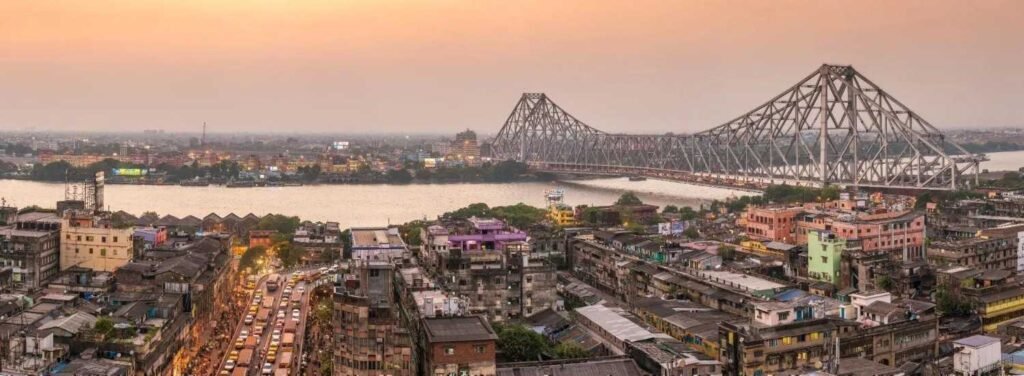
He expressed concern that the perceived decline in West Bengal’s growth has also affected its ability to positively influence neighboring regions. Restoring the state’s economic vitality, according to him, would have broader regional benefits.
This perspective highlights the interconnected nature of regional development in India and the strategic importance of West Bengal.
Debate Over Electoral Roll Revision (SIR)
The Kiren Rijiju West Bengal BJP statement also touched upon the issue of Special Intensive Revision (SIR) of electoral rolls. Responding to concerns raised by Chief Minister Mamata Banerjee, Rijiju defended the process as necessary for maintaining the integrity of voter lists.
He stated that the removal of names of illegal immigrants and deceased individuals is essential for ensuring fair elections. According to him, opposition to such measures raises questions about transparency and accountability.
The debate over SIR has become a significant political issue, reflecting broader concerns about electoral processes and governance.
Political Reactions and Campaign Dynamics
The Kiren Rijiju West Bengal BJP statement comes amid heightened political exchanges between major parties. Rijiju also responded to remarks made by Mamata Banerjee regarding Prime Minister Modi’s campaign style, suggesting that criticism of the Prime Minister often backfires politically.
Such exchanges underline the intense nature of political campaigning in West Bengal, where rhetoric and public messaging play a crucial role in shaping voter perceptions.
With multiple phases of polling underway, both the BJP and TMC are actively engaging with voters, presenting their respective visions for the state’s future.
Upcoming Election Phases
The political significance of the Kiren Rijiju West Bengal BJP statement is further amplified by the ongoing election process. The second phase of polling for 142 assembly seats is scheduled, following the first phase held earlier.
The results, expected soon, will provide a clearer picture of the political direction in West Bengal. The outcome is likely to have implications not only for the state but also for national politics.
Future Outlook for West Bengal Politics
The Kiren Rijiju West Bengal BJP statement highlights the evolving political narrative in West Bengal. As the BJP seeks to expand its presence and the TMC works to retain its stronghold, the state remains a key battleground in Indian politics.
The coming months will be crucial in determining whether the BJP’s vision of economic revival and governance reform resonates with voters. At the same time, the response of the electorate to ongoing political debates and campaign strategies will shape the future trajectory of the state.
The Kiren Rijiju West Bengal BJP statement underscores the high stakes involved in West Bengal’s political landscape. With strong claims, counterclaims, and competing visions, the state continues to be at the center of national political discourse.
As elections progress and results approach, all eyes remain on West Bengal to see how these narratives translate into electoral outcomes and policy directions.
About The Author