
 admin
admin 
New Delhi, June 6, 2026
Iran Oil Shock Impact on India is emerging as a major concern for economists and policymakers after Nuvama Institutional Equities warned that rising geopolitical tensions in the Middle East and a potentially weak monsoon could create stagflation risks for the Indian economy in FY27.
The brokerage firm highlighted that while India’s economy concluded FY26 on a strong note, emerging global and domestic risks could create significant pressure on growth and inflation in the coming year.
Strong GDP Growth in FY26
According to the report, India’s real Gross Domestic Product (GDP) expanded by 7.8 percent year-on-year in the fourth quarter of FY26, while the overall growth for FY26 accelerated to 7.7 percent, compared to 7.1 percent in FY25.
Nuvama stated that economic activity remained largely stable during the March quarter, supported by healthy investment growth.
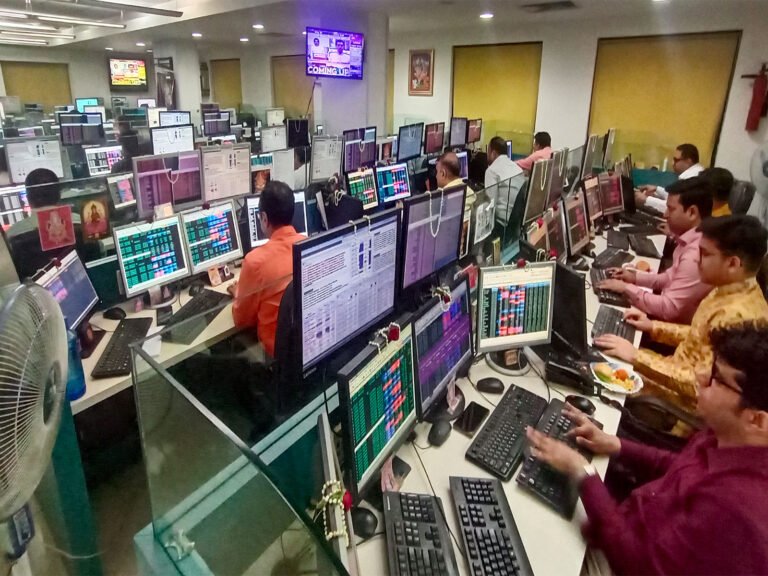
“Real GDP growth was healthy at 7.8 percent YoY, while nominal GDP growth remained subdued at 9.1 percent,” the report noted. Experts believe the Iran Oil Shock Impact on India could increase inflationary pressure
Iran Crisis Could Push Oil Prices Higher
One of the major concerns highlighted by Nuvama is the potential rise in crude oil prices due to escalating tensions involving Iran. Higher energy prices can significantly increase production and transportation costs across industries, resulting in elevated inflation levels.
The report specifically mentioned that its revised economic forecasts are primarily driven by the anticipated oil shock stemming from the Iran crisis.The Iran Oil Shock Impact on India may affect fuel prices, transportation costs, and household spending.
As India imports a substantial portion of its crude oil requirements, prolonged disruptions in global oil supply could directly impact fuel prices, manufacturing costs, and household spending.
Weak Monsoon Adds to Inflation Concerns
Apart from geopolitical risks, Nuvama also pointed to the possibility of a weak monsoon as a major threat to India’s economic stability.
A weak monsoon can negatively affect agricultural output, leading to food supply shortages and higher food prices. When combined with rising oil costs, the economy could experience a period where inflation remains high while economic growth slows.
This condition is commonly referred to as stagflation, a scenario that policymakers generally find difficult to manage.
The report stated:
“With the economy already in an inflationary phase, a prolonged supply shock, particularly alongside a weak monsoon, raises the risk of a stagflationary environment.”
FY27 Growth Forecast Revised Lower
Reflecting these concerns, Nuvama has revised its FY27 real GDP growth forecast downward to 6.0-6.5 percent, compared to stronger growth expectations earlier.
However, the brokerage expects nominal GDP growth to improve and remain in the range of 11-12 percent, largely due to inflationary pressures.
Factors That Could Support the Economy
Despite the risks, Nuvama believes several domestic factors could help cushion the impact on the economy.
These include:
- Effective liquidity management by the Reserve Bank of India (RBI)
- A relatively undervalued Indian Rupee
- Healthy credit growth across sectors
- Continued investment activity
The report noted that gross fixed capital formation (GFCF), a key indicator of investment, surged to 10.8 percent in Q4FY26, compared to 8.2 percent in the previous quarter.Economists are closely monitoring the Iran Oil Shock Impact on India as geopolitical tensions continue
Outlook for India
While India’s economic performance in FY26 remained resilient, the trajectory of crude oil prices, geopolitical developments in the Middle East, and monsoon conditions will play a critical role in determining the country’s growth path in FY27.
Economists and policymakers will closely monitor these factors as they assess inflation trends, consumer demand, and investment activity over the coming months.
Nuvama’s latest assessment suggests that India enters FY27 with strong economic momentum but faces considerable external risks. Rising oil prices due to the Iran crisis and uncertainty around monsoon performance could increase inflationary pressures and slow growth, creating a potential stagflation scenario. The government’s policy response and RBI’s monetary management will be crucial in navigating these challenges.Overall, the Iran Oil Shock Impact on India remains a critical factor that could influence growth and inflation during FY27.
About The Author