
The US humanitarian spending in Iran plan has emerged as a significant diplomatic development after reports indicated that Washington is considering working closely with Qatar to release billions of dollars in frozen Iranian assets for humanitarian purposes. According to a Wall Street Journal (WSJ) report, the proposal is part of broader diplomatic efforts aimed at easing tensions between the United States and Iran while ensuring that the funds are used strictly for humanitarian needs such as food, medicine, and essential supplies.
The US humanitarian spending in Iran initiative comes amid renewed diplomatic engagement between Washington and Tehran following a recently signed memorandum of understanding (MoU) intended to reduce hostilities across West Asia. Although discussions remain in the preliminary stage, the proposal could mark one of the most important financial confidence-building measures between the two countries in recent years.
Qatar Expected to Play a Key Role
Under the proposed arrangement, Qatar would act as a financial facilitator for the humanitarian assistance programme. Reports suggest that nearly USD 6 billion in frozen Iranian funds currently held in Qatar may become the first tranche available under the agreement.
Instead of transferring money directly to Iran, the US humanitarian spending in Iran framework would reportedly allow Qatar to purchase humanitarian goods—including medicines, medical equipment, food supplies, and other essential products—on behalf of Iran’s central bank. This mechanism is designed to ensure transparency while preventing misuse of the funds.
Officials familiar with the discussions told the Wall Street Journal that the money originates primarily from Iranian oil revenues that have remained frozen overseas because of international sanctions.
Frozen Iranian Assets Could Gradually Be Released
Iran is estimated to have nearly USD 100 billion in frozen assets worldwide. If negotiations progress successfully, the current proposal could become the first step toward allowing Iran limited access to these funds under carefully monitored conditions.
The US humanitarian spending in Iran proposal reportedly focuses only on humanitarian expenditures rather than unrestricted financial access. This distinction is expected to address international concerns while providing relief to ordinary Iranian citizens affected by years of economic sanctions.
Experts believe that any release of frozen assets will likely be subject to strict oversight by participating governments and financial institutions.
Peace Memorandum Opens New Diplomatic Path
The discussions over the US humanitarian spending in Iran proposal follow the signing of a 14-point memorandum of understanding between the United States and Iran.
The agreement reportedly includes an immediate and permanent halt to military operations, including activities affecting Lebanon, while both countries have committed to negotiating a comprehensive agreement within 60 days, with the possibility of extending talks through mutual consent.
Diplomatic observers believe the humanitarian funding proposal represents one of the earliest confidence-building measures intended to demonstrate progress during the negotiation process.
Qatar Reaffirms Support for Dialogue
US humanitarian spending in Iran Qatar has continued to position itself as a key mediator between Washington and Tehran. The country’s leadership has repeatedly expressed support for resolving disputes through peaceful negotiations rather than military confrontation.
The issue was discussed during a meeting between Qatar’s Prime Minister and Foreign Minister Sheikh Mohammed bin Abdulrahman bin Jassim Al Thani and Swiss Foreign Minister Ignazio Cassis at the Burgenstock Resort in Switzerland.
During the discussions, Qatar reaffirmed its commitment to facilitating dialogue and supporting diplomatic initiatives aimed at regional stability.
The US humanitarian spending in Iran proposal is expected to remain one of the major agenda items once formal technical negotiations resume.
Technical Talks Temporarily Postponed
Despite diplomatic progress,US humanitarian spending in Iran the first round of technical discussions scheduled to take place in Switzerland has been postponed.
The Swiss Foreign Ministry confirmed that planned talks involving the United States, Iran, Qatar, and Pakistan had been delayed.
Swiss officials also stated that they remain ready to host future discussions whenever the participating countries decide to resume negotiations.
The postponement does not necessarily indicate a breakdown in diplomacy, as officials continue preparatory work behind the scenes.
Analysts believe the delay may allow negotiators additional time to finalize technical arrangements surrounding the US humanitarian spending in Iran proposal.
Humanitarian Assistance Remains the Priority
One of the central objectives of the proposed financial mechanism is to ensure uninterrupted access to humanitarian goods for Iranian citizens.
Food, medicines, healthcare supplies, and other essential commodities would reportedly receive priority funding under the arrangement.
The US humanitarian spending in Iran programme has been designed to ensure that humanitarian assistance reaches civilians while maintaining existing safeguards against sanctions violations.
International humanitarian organizations have long argued that ordinary citizens should not bear the burden of geopolitical disputes and economic restrictions.
Strait of Hormuz Measures Included in Agreement
The memorandum of understanding reportedly includes several additional commitments aimed at reducing regional tensions.
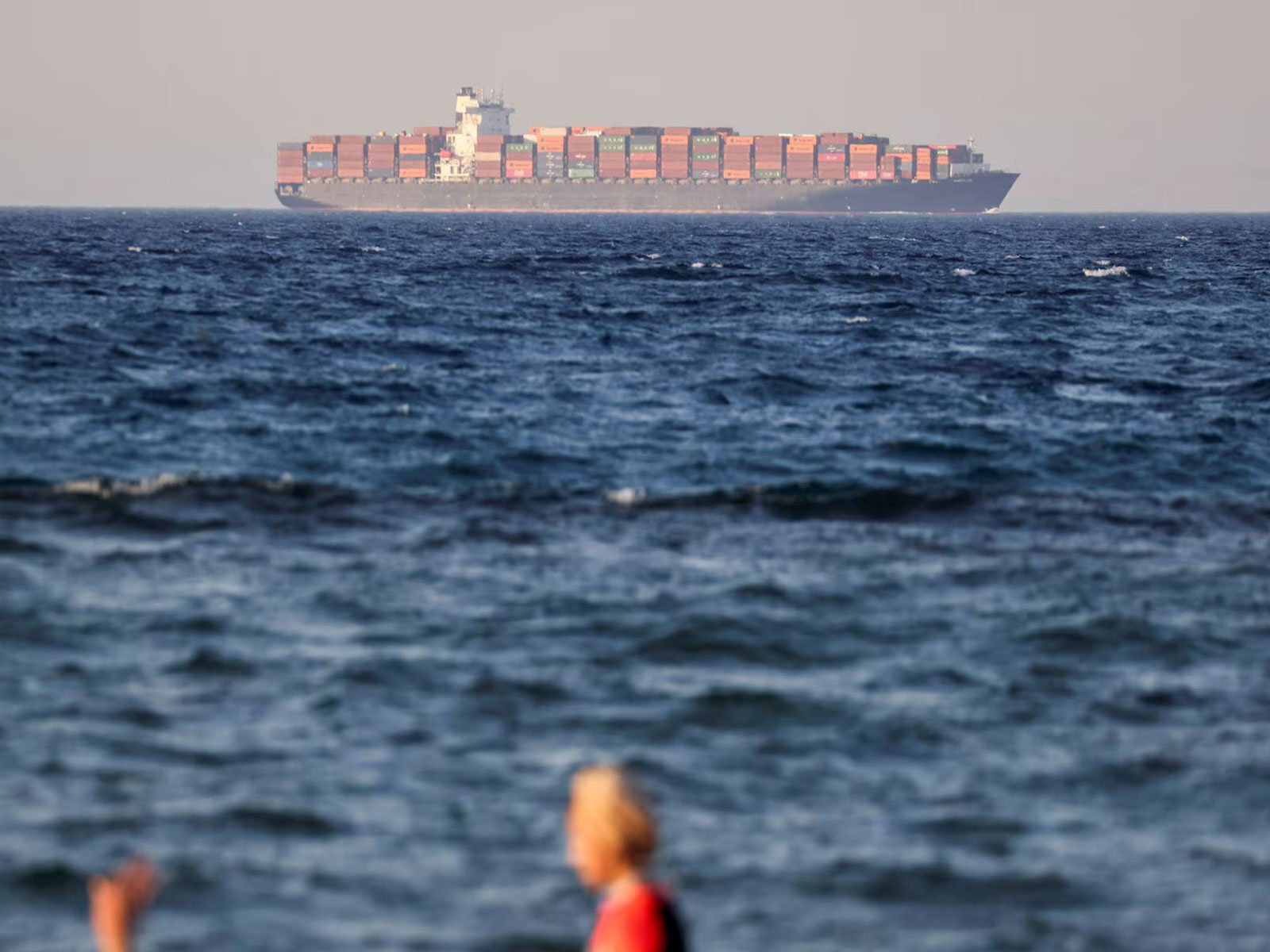
Among them is Iran’s pledge to facilitate the safe passage of commercial vessels through the Strait of Hormuz free of charge for an initial 60-day period.
In return, the United States is expected to begin removing certain naval restrictions while technical negotiations continue.
The US humanitarian spending in Iran discussions are closely linked to these broader confidence-building measures intended to improve stability across the region.
Sanctions Relief Under Consideration
US humanitarian spending in Iran The memorandum also outlines a phased approach toward easing certain sanctions against Iran.
According to reports, future measures could include Treasury waivers permitting Iranian oil exports, gradual access to additional frozen assets, and economic development initiatives supported by international partners.
However, officials have emphasized that each phase will depend upon continued compliance with negotiated commitments.
The US humanitarian spending in Iran proposal therefore represents only one element of a much larger diplomatic framework currently under discussion.
International Community Closely Watching Developments
Governments across Europe, the Middle East, and Asia are closely monitoring developments between Washington and Tehran.
A successful implementation of the humanitarian funding mechanism could improve regional stability while reducing humanitarian pressures inside Iran.
At the same time, policymakers remain cautious, noting that several political, financial, and legal challenges must still be resolved before any frozen assets are released.
Financial institutions will also need to establish monitoring mechanisms to ensure the funds are used exclusively for humanitarian purposes.
The reported proposal involving the United States and Qatar reflects a renewed diplomatic effort to balance humanitarian concerns with international sanctions policy.
While negotiations remain ongoing and no final agreement has been announced, the US humanitarian spending in Iran initiative could become a significant confidence-building measure if implemented successfully.
For now, governments involved continue discussions over technical arrangements, sanctions compliance, and financial oversight before any funds are released. If negotiations progress as expected, the humanitarian funding programme may become one of the first tangible outcomes of the broader US-Iran peace framework, offering both diplomatic momentum and humanitarian relief to millions of Iranians while maintaining international oversight and accountability.
Leave a Reply