
Tamil Nadu Ammonia Gas Leak: Death Toll Rises to 5 in Tiruvallur Seafood Industrial Unit, 67 Workers Under Treatment
 admin
admin 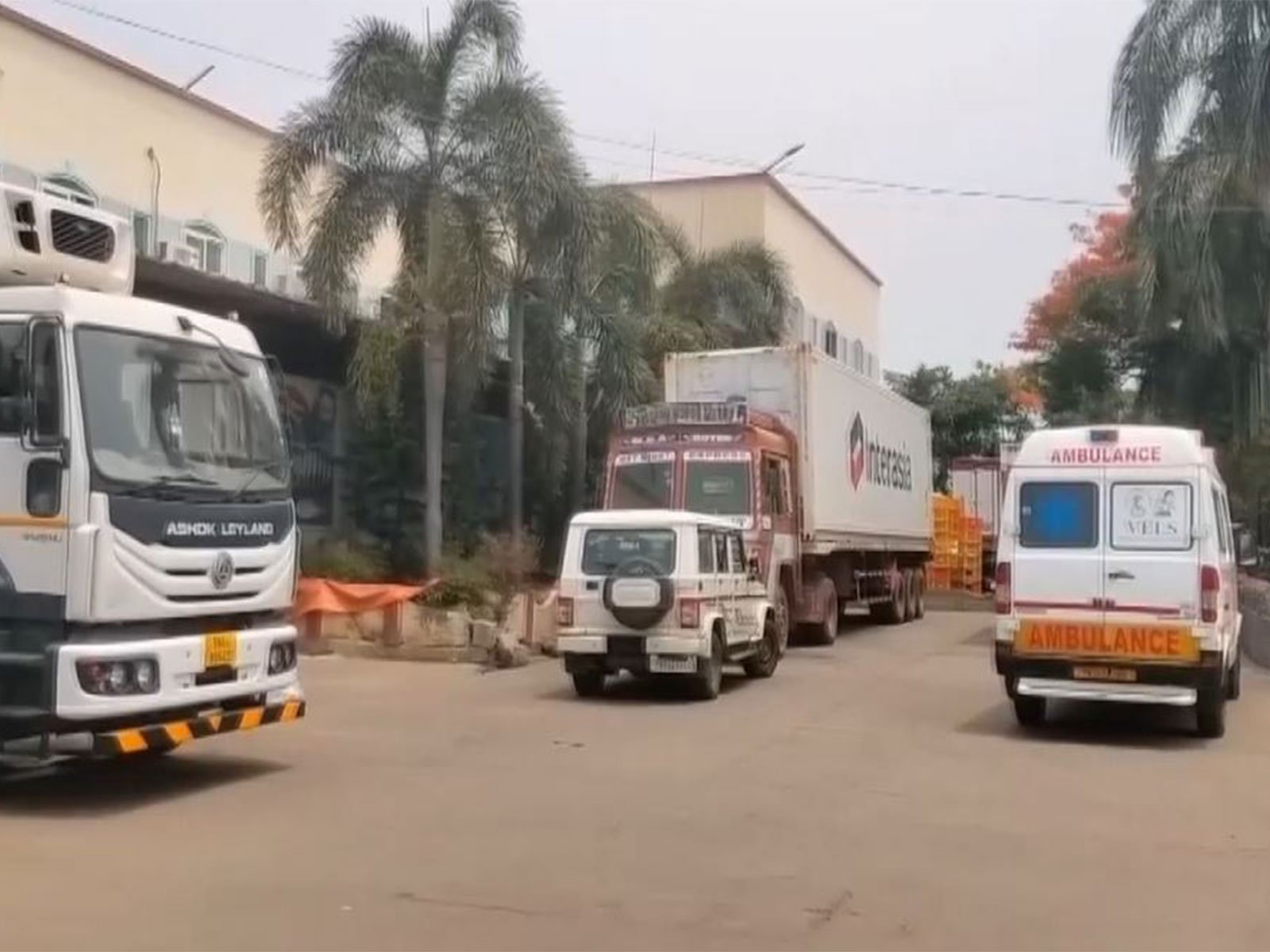
Tamil Nadu Ammonia Gas Leak Claims Five Lives, Dozens Hospitalised
The Tamil Nadu ammonia gas leak at a private seafood processing and export facility in Tiruvallur district has claimed five lives, while 67 workers continue to receive treatment under medical observation. The tragic industrial accident has raised serious concerns over workplace safety and hazardous chemical handling in industrial units across the state.
According to the Tamil Nadu Health Minister’s Office, a total of 74 people were affected by the Tamil Nadu ammonia gas leak. Two workers have been discharged after receiving initial medical treatment, while the remaining patients are undergoing treatment for respiratory complications and other symptoms caused by ammonia inhalation.
The incident occurred on June 21 during routine operations at the seafood processing plant, where workers were suddenly exposed to leaking ammonia gas. Emergency services responded immediately, preventing an even larger tragedy.
What Happened During the Tiruvallur Ammonia Gas Leak?
The Tamil Nadu ammonia gas leak took place at a private seafood processing and export unit located in Tiruvallur district. Officials said the gas leak occurred while normal industrial operations were underway, exposing dozens of employees working inside the facility.
Workers experienced severe breathing difficulties within minutes as ammonia spread through sections of the factory. Several employees collapsed due to toxic exposure, prompting immediate evacuation efforts.
Local authorities, police personnel, fire and rescue teams, health officials, and district administration quickly reached the site to rescue affected workers and shift them to nearby hospitals.
The rapid response helped control the situation, although the toxic exposure resulted in multiple fatalities and several workers requiring intensive medical care.
Death Toll Increases to Five
Initially, officials confirmed two deaths on the night of June 21. However, by 7 AM on June 22, three additional victims succumbed to complications caused by ammonia inhalation, taking the total death toll from the Tamil Nadu ammonia gas leak to five.
The Health Minister’s Office released an official statement confirming:
- Total people affected: 74
- Deaths reported: 5
- Workers under treatment: 67
- Patients discharged: 2
Health officials continue to closely monitor the condition of those admitted to hospitals, as ammonia exposure can cause delayed respiratory complications.
Symptoms Reported by Affected Workers
Doctors treating victims of the Tamil Nadu ammonia gas leak reported that most workers suffered symptoms commonly associated with ammonia inhalation.
These symptoms include:
- Severe breathlessness
- Eye irritation
- Nose and throat irritation
- Persistent coughing
- Chest pain
- Respiratory distress
- Difficulty breathing
- Burning sensation in the respiratory tract
Medical experts say ammonia is a highly irritating gas that primarily affects the eyes, nose, throat, and lungs. High levels of exposure may lead to severe lung injury, respiratory failure, and even death if immediate treatment is not provided.
Hospital authorities have placed the injured workers under continuous observation to monitor any worsening respiratory conditions.
Massive Emergency Response Prevented Greater Disaster
Following the Tamil Nadu ammonia gas leak, emergency response agencies launched a coordinated rescue operation.
The response involved:
- District administration officials
- Tamil Nadu Police
- Fire and Rescue Services
- Public Health Department
- Medical emergency teams
- Local disaster response personnel
The affected workers were immediately evacuated from the industrial premises before being transported to nearby hospitals for emergency treatment.
Authorities also secured the surrounding area to prevent further exposure and began assessing the extent of the chemical leak.
Investigation Underway
Officials have confirmed that the exact cause of the Tamil Nadu ammonia gas leak remains under investigation.
Technical experts are examining several possible factors, including:
- Equipment failure
- Pipeline leakage
- Storage tank malfunction
- Maintenance lapses
- Operational errors
- Safety protocol violations
Industrial safety experts are expected to conduct detailed inspections of the facility’s refrigeration systems, chemical storage units, and emergency response mechanisms.
Authorities have assured that strict action will be taken if negligence is found during the investigation.
Chief Minister Orders High-Level Probe
Expressing deep sorrow over the tragedy, Tamil Nadu Chief Minister C. Joseph Vijay announced financial assistance for the families of the deceased.
The Chief Minister declared an ex gratia payment of Rs 2 lakh each from the Chief Minister’s Public Relief Fund to the next of kin of the five victims.
Additionally, the government has constituted a three-member inquiry committee comprising officials from:
- Directorate of Industrial Safety and Health
- Tamil Nadu Pollution Control Board
- Directorate of Public Health
The committee has been instructed to submit an interim report within 24 hours and a comprehensive final report within three days.
The government aims to identify the cause of the Tamil Nadu ammonia gas leak and recommend measures to prevent similar incidents in the future.
Political Leaders Demand Discussion in Assembly
The Tamil Nadu ammonia gas leak has also become a major political issue.
MLAs from the DMK and the Communist Party have urged the Speaker of the Tamil Nadu Legislative Assembly to allow a detailed discussion on the incident during the ongoing Assembly session.
Legislators have sought answers regarding:
- Industrial safety standards
- Compliance with hazardous chemical regulations
- Worker protection measures
- Emergency preparedness
- Accountability of factory management
The demand reflects growing concerns over industrial safety in sectors handling hazardous chemicals.
Why Ammonia Leaks Are Extremely Dangerous
Ammonia is widely used in seafood processing plants and cold storage facilities because of its excellent refrigeration properties.
However, accidental ammonia leaks pose serious health risks.
Exposure to concentrated ammonia can cause:
- Lung damage
- Chemical burns
- Vision problems
- Severe respiratory distress
- Long-term breathing complications
- Fatal poisoning in extreme cases
Industrial units using ammonia are legally required to maintain leak detection systems, emergency shutdown mechanisms, ventilation equipment, and worker safety protocols.
Experts say regular maintenance, employee training, and strict compliance with industrial safety regulations are essential for preventing such accidents.
Industrial Safety Under Fresh Scrutiny
The Tamil Nadu ammonia gas leak has once again highlighted the importance of industrial safety across India’s manufacturing sector.
Labour organisations and workplace safety experts have called for:
- Regular safety audits
- Advanced gas detection systems
- Periodic emergency drills
- Improved worker training
- Stronger regulatory inspections
- Modern safety infrastructure
Many experts believe industrial accidents involving hazardous chemicals can be significantly reduced through proactive maintenance and strict enforcement of safety standards.
The Tamil Nadu ammonia gas leak in Tiruvallur stands as one of the most serious industrial accidents reported in the state this year. With five workers losing their lives and dozens still undergoing treatment, the incident has sparked widespread concern over workplace safety and hazardous chemical management.
As investigations continue, authorities are expected to determine the precise cause of the leak and recommend corrective measures. The findings of the government-appointed committee will play a crucial role in strengthening industrial safety regulations and preventing similar tragedies in the future.
The incident serves as a reminder that worker safety must remain the highest priority for every industrial establishment handling hazardous substances, ensuring that such preventable disasters do not occur again.
About The Author