Shivraj Singh Chouhan El Nino Meeting: Centre Reviews Rainfall Impact, Prepares Action Plan for Farmers
 admin
admin 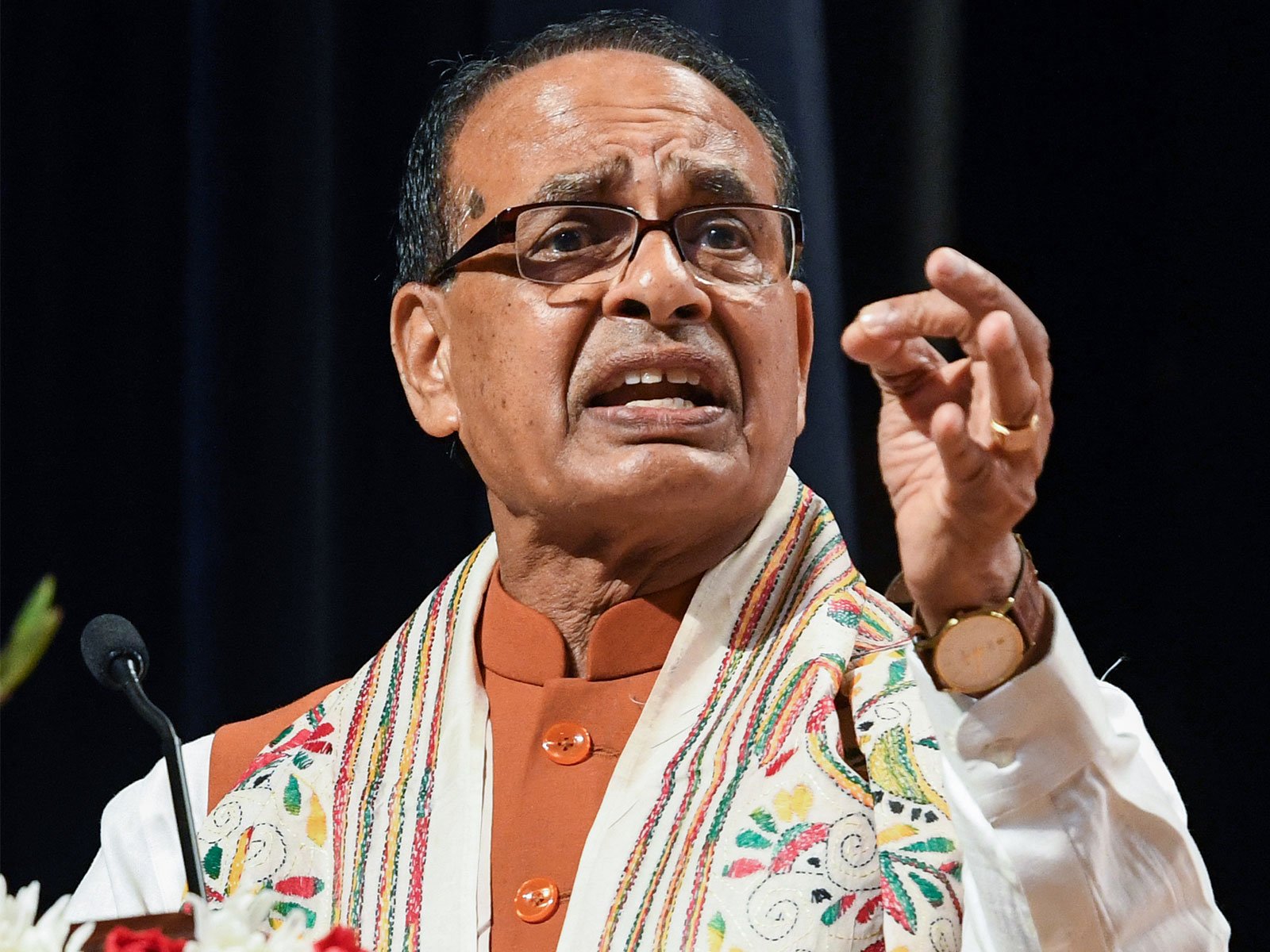
Shivraj Singh Chouhan chairs a review meeting with state officials and IMD experts to assess El Nino's impact on India's agriculture sector.
New Delhi, June 23: Shivraj Singh Chouhan El Nino Meeting has become a key focus for the Centre as the Union Agriculture and Farmers Welfare Minister chairs a high-level review at Krishi Bhawan to assess the possible impact of El Nino on India’s agriculture sector. The meeting brings together Agriculture Ministers, Agriculture Secretaries, district collectors, agricultural experts, and officials from the India Meteorological Department (IMD) to evaluate the evolving weather situation and formulate strategies to protect farmers from the effects of low rainfall.
The Shivraj Singh Chouhan El Nino Meeting comes at a time when concerns are growing over delayed monsoon activity and weakening rainfall patterns in several parts of the country. Experts believe that strengthening El Nino conditions could affect the ongoing kharif crop season, making early planning essential for ensuring food security and safeguarding farmers’ livelihoods.
Shivraj Singh Chouhan Chairs High-Level El Nino Review
The Shivraj Singh Chouhan El Nino Meeting is scheduled to begin at 10 a.m. at Krishi Bhawan in New Delhi. The meeting is being conducted in virtual mode to ensure participation from all states and Union Territories.
Agriculture Ministers and Agriculture Secretaries from across India are expected to attend, along with district collectors and agriculture officials from regions that are considered vulnerable to El Nino-related weather conditions. Senior scientists and officials from the India Meteorological Department (IMD) will also present the latest weather forecasts and rainfall projections.
The primary objective of the Shivraj Singh Chouhan El Nino Meeting is to review preparedness at both the Centre and state levels while discussing immediate and long-term strategies to minimize agricultural losses.
What Is El Nino and Why Does It Matter?
El Nino is a naturally occurring climate phenomenon that develops due to unusually warm sea surface temperatures in the central and eastern Pacific Ocean. Although it occurs thousands of kilometres away from India, it significantly influences global weather systems, including the Indian southwest monsoon.
During El Nino years, India often experiences below-normal rainfall, uneven monsoon distribution, and extended dry spells. These conditions can reduce agricultural productivity, lower reservoir levels, and increase the risk of drought in several states.
The Shivraj Singh Chouhan El Nino Meeting is aimed at ensuring that governments remain prepared to respond quickly if rainfall deficits worsen during the monsoon season.
Focus on Farmers and Crop Protection
A major agenda of the Shivraj Singh Chouhan El Nino Meeting is protecting farmers from weather-related risks.
The Agriculture Ministry is expected to review contingency plans prepared by individual states, including:
- Promotion of drought-resistant crop varieties.
- Availability of quality seeds.
- Efficient irrigation management.
- Water conservation measures.
- Crop diversification.
- Advisory services for farmers.
Following consultations with state governments, Shivraj Singh Chouhan is expected to issue fresh guidelines aimed at minimizing losses caused by rainfall shortages.
The government is also likely to emphasize timely dissemination of weather advisories so farmers can make informed decisions regarding sowing, irrigation, and crop management.
Weekly Monitoring by the Agriculture Ministry
The Shivraj Singh Chouhan El Nino Meeting is part of the Union Agriculture Ministry’s weekly monitoring mechanism.
According to officials, the Agriculture Minister has been conducting central-level review meetings every Tuesday to continuously monitor the evolving weather conditions and assess preparedness across states.
These regular reviews enable authorities to identify vulnerable regions early and implement preventive measures before weather conditions significantly impact agricultural production.
Government Closely Monitoring Water Availability
Earlier, Union Minister Piyush Goyal had stated that both the Central Government and state governments are fully prepared to tackle any challenges arising due to El Nino.
He emphasized that if water shortages emerge, necessary interventions would be implemented immediately.
The government has assured farmers that protecting agriculture remains a top priority and that all departments are coordinating to ensure adequate preparedness for possible drought-like conditions.
Officials are also reviewing reservoir levels, groundwater availability, irrigation infrastructure, and drinking water supplies in vulnerable districts.
Kharif Crop Season Under Pressure
The Shivraj Singh Chouhan El Nino Meeting assumes greater importance because India’s kharif sowing season has already begun.
According to a recent ICICI Bank Research report, strengthening El Nino conditions and delayed monsoon rains have started affecting kharif crop sowing across several regions.
The report indicates that sowing activity remains lower than the corresponding period last year, especially for pulses and oilseeds.
Agricultural experts believe prolonged rainfall deficiency could further reduce acreage under key crops if weather conditions fail to improve during the coming weeks.
Importance of IMD Weather Forecasts
Officials from the India Meteorological Department are expected to provide updated rainfall forecasts during the Shivraj Singh Chouhan El Nino Meeting.
The IMD continuously monitors ocean temperatures, atmospheric circulation, and monsoon behaviour to issue timely forecasts.
These scientific assessments help policymakers make informed decisions regarding irrigation planning, seed distribution, crop insurance, and disaster management.
Real-time weather advisories also enable farmers to adjust sowing schedules based on local rainfall conditions.
Government’s Support Measures for Farmers
The Centre has reiterated that several existing schemes will continue supporting farmers during challenging weather conditions.
These include:
- Minimum Support Price (MSP) procurement.
- Fertiliser subsidies.
- Crop insurance schemes.
- Irrigation development projects.
- Financial assistance under various agricultural welfare programmes.
The government has also increased MSP rates for several crops over recent years to ensure better returns for farmers despite climate-related uncertainties.
Officials believe these measures, combined with effective weather monitoring, can reduce the financial impact of adverse climatic events.
States Expected to Strengthen Preparedness
Following the Shivraj Singh Chouhan El Nino Meeting, states are expected to strengthen district-level preparedness by identifying vulnerable areas and activating contingency plans.
Agriculture departments may issue region-specific advisories based on rainfall forecasts while ensuring adequate availability of seeds, fertilizers, irrigation facilities, and agricultural machinery.
State governments are also expected to coordinate closely with local administrations to monitor crop conditions throughout the monsoon season.
Why the Meeting Matters
The Shivraj Singh Chouhan El Nino Meeting comes at a crucial stage when India’s agricultural economy depends heavily on timely and sufficient monsoon rainfall.
Agriculture contributes significantly to rural employment and food production, making weather preparedness essential for maintaining economic stability.
Any prolonged rainfall deficit could affect food grain production, inflation, rural incomes, and overall agricultural growth.
By conducting regular review meetings, the Centre aims to minimize potential disruptions and ensure timely policy interventions.
The Shivraj Singh Chouhan El Nino Meeting reflects the government’s proactive approach to managing climate-related risks facing Indian agriculture. With delayed monsoon conditions and strengthening El Nino patterns raising concerns, the Centre is working closely with states, meteorological experts, and agricultural departments to safeguard farmers and ensure food security.
As the kharif season progresses, the outcome of these high-level discussions and subsequent policy decisions will play a crucial role in determining India’s preparedness for any adverse weather developments. Farmers across the country will be closely watching the government’s advisories and support measures as the monsoon season unfolds.
About The Author