
 admin
admin 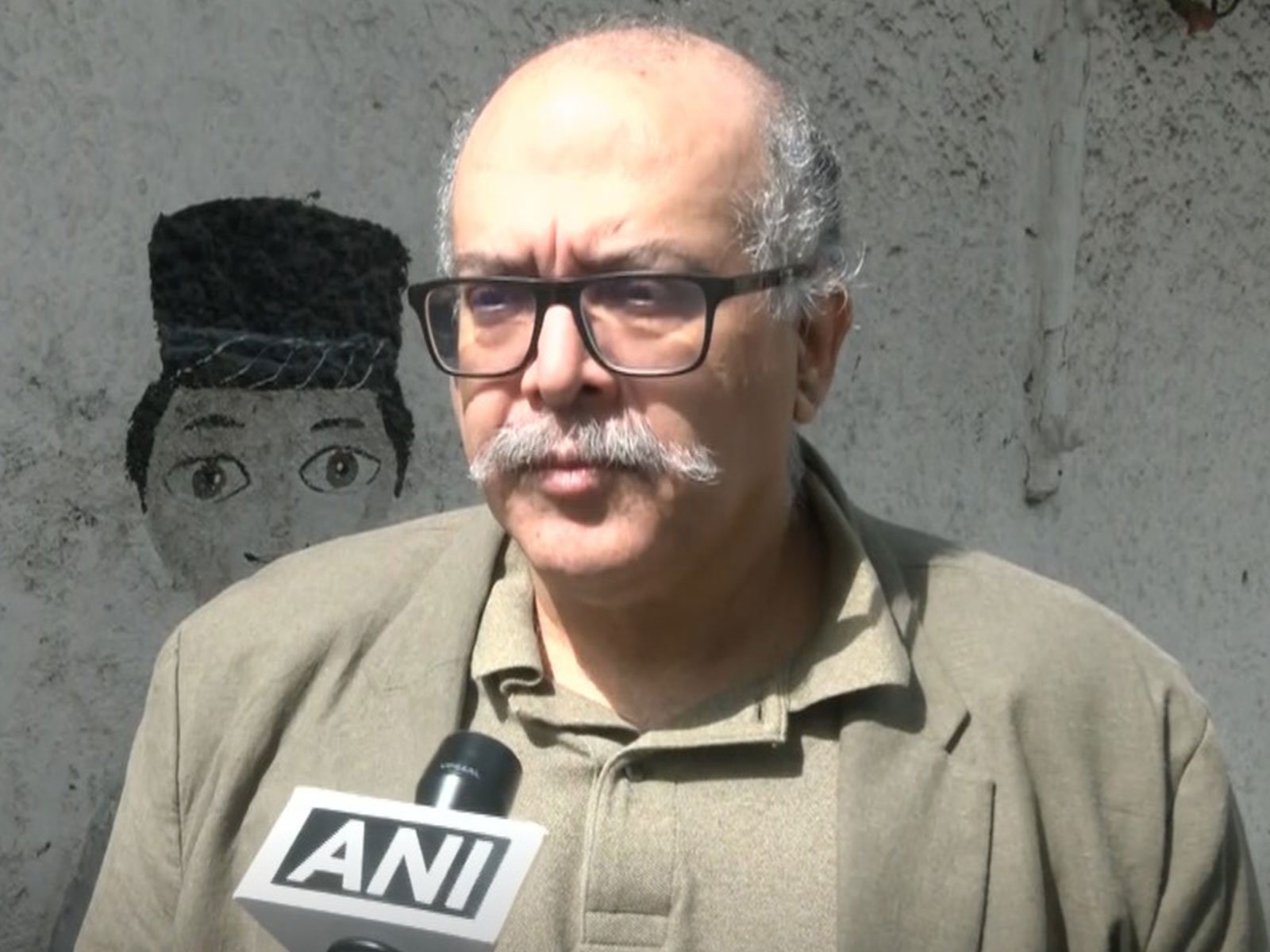
Pune (Maharashtra) [India], August 8: India-US relations are facing renewed uncertainty following the US Senate’s passage of a Russia sanctions bill that could impose tariffs of up to 100 per cent on countries purchasing Russian crude oil and natural gas. Foreign affairs experts have now urged India to consider strategic de-risking from the United States, arguing that the latest developments could represent a deeper shift in bilateral relations rather than a temporary disagreement.
The US Senate passed the sanctions legislation by an 86-11 vote. The proposed measure could target major buyers of Russian energy, including India and China. The development has raised concerns about the future direction of India-US relations, particularly as both countries continue to engage in discussions over trade and tariffs.
Experts have also criticised the proposed legislation as an example of the extraterritorial application of US laws, warning that the consequences could extend beyond bilateral ties and affect global energy markets.
India-US Relations Face New Strategic Challenge
Foreign affairs expert Sushant Sareen said India should move away from the assumption that the current tensions with Washington are temporary.
According to Sareen, previous US actions against countries purchasing Russian oil and the latest Senate legislation indicate that the situation could become more structural.
He argued that New Delhi needs to reassess its strategic approach toward Washington and consider reducing excessive dependence on the United States in areas where alternative options are available.
Sareen also questioned whether Washington would impose equally severe measures on China, another major purchaser of Russian energy. He suggested that potential retaliation from Beijing could influence how aggressively the legislation is ultimately implemented.
1. Experts Warn of a Permanent Shift
One of the biggest concerns surrounding India-US relations is the possibility that current economic tensions could become a long-term feature of bilateral ties.
Sareen said India should move beyond the perception that the dispute is simply a temporary problem. According to him, the latest developments could signal a more permanent breach in the relationship.
This does not necessarily mean that economic or diplomatic engagement between India and the US would end. Both countries have significant interests in trade, technology, defence, investment and strategic cooperation.
However, the expert’s argument is that India may need to prepare for a relationship in which Washington could increasingly use economic measures to pursue its foreign-policy objectives.
2. India Could Consider Strategic De-Risking
Sareen compared the proposed approach with India’s strategy of reducing economic and strategic dependence on China.
He argued that India could similarly consider de-risking from the United States by diversifying its economic partnerships and reducing excessive dependence on any single country.
Strategic de-risking does not necessarily mean ending relations. Instead, it generally involves developing alternative suppliers, markets, technology partnerships and financial channels so that economic disruptions from one country have a limited impact.
For India, this could mean strengthening relationships with other major economies and energy-producing countries while continuing to engage with Washington.
3. Russian Oil Sanctions Could Affect Global Energy Markets
Former diplomat Mahesh Sachdev criticised the proposed legislation as an example of the extraterritorial application of US law.
Sachdev argued that the United States should not impose punitive measures on third countries for their purchases of Russian energy. He warned that such measures could disrupt the international trade system and have consequences for global energy markets.
The potential impact becomes particularly significant because India and China are among the world’s major energy consumers.
If large buyers are forced to reduce purchases of Russian and Iranian crude, they could turn to other sources in the international market. This could create additional demand for non-Russian crude and potentially push global oil prices higher.
4. Higher Oil Prices Could Create Economic Pressure
A major concern for India-US relations and India’s broader economy is the potential impact on crude oil prices.
India remains heavily dependent on imported crude oil. If sanctions force major buyers to compete for a smaller pool of available crude, international prices could rise.
Higher oil prices can increase India’s import expenditure and potentially affect inflation, the trade balance and the value of the rupee.
Sachdev warned that forcing major consumers away from Russian and Iranian energy could create significant distortions in global supply chains.
The outcome would therefore not necessarily be limited to India and Russia. It could affect oil producers, consumers and economies across different regions.
5. US Sanctions Bill Still Faces Legislative Hurdles
Former diplomat KP Fabian urged India not to overreact to the Senate vote, pointing out that the legislation still needs to pass through the US House of Representatives before it can become law.
The Senate approved the bill with an 86-11 vote, but the House could amend the legislation. If changes are made, the bill could return to the Senate for further consideration.
Fabian said this process could result in significant back-and-forth between the two chambers.
This means the final form of the legislation and its implementation remain uncertain.
For India, this provides some time to assess the potential consequences and continue diplomatic and trade negotiations with the United States.
Potential Impact on India-US Trade
The latest development comes while India-US relations are already being shaped by discussions over tariffs and trade arrangements.
A potential 100 per cent tariff on countries purchasing Russian energy could create additional uncertainty for Indian businesses.
Indian exporters could face challenges if trade negotiations become more complicated. At the same time, Washington’s measures could affect India’s energy procurement strategy.
India will therefore have to balance several competing priorities: maintaining access to affordable energy, protecting its economic interests, strengthening trade ties and preserving strategic autonomy.
Why Strategic Diversification Matters
The debate over India-US relations highlights the importance of diversification in India’s foreign and economic policy.
India has increasingly sought to maintain relationships with multiple major powers rather than becoming excessively dependent on any one country.
This approach can provide greater flexibility during geopolitical crises.
For example, maintaining strong relationships with Russia, the United States, Europe, the Middle East and other Asian economies can help India manage disruptions in trade, energy and investment.
Strategic diversification could therefore become an increasingly important component of India’s foreign policy as global geopolitical competition intensifies.
US Economy Could Also Face Consequences
KP Fabian also argued that aggressive tariffs could have consequences for the US economy itself.
If major global energy consumers are pushed away from Russian crude and compete for alternative supplies, global oil prices could rise.
Higher oil prices could increase costs for American consumers and businesses, potentially creating additional economic pressure.
This could make implementation of extremely high tariffs more complicated for policymakers in Washington.
The economic consequences would therefore need to be considered alongside the geopolitical objectives of the legislation.
What Could Happen Next?
The immediate focus will remain on the US House of Representatives and the next stages of the sanctions legislation.
India will also continue monitoring the progress of its trade discussions with Washington.
For New Delhi, the priority is likely to be protecting energy security while avoiding unnecessary escalation in its relationship with the United States.
At the same time, policymakers may increasingly examine alternative energy suppliers, trade partners and strategic relationships.
The outcome could influence the future trajectory of India-US relations over the coming months.
About The Author