Emergency Anniversary: PM Modi Calls 1975 Emergency a ‘Direct Assault on Constitution’ on 51st Proclamation Anniversary
 admin
admin 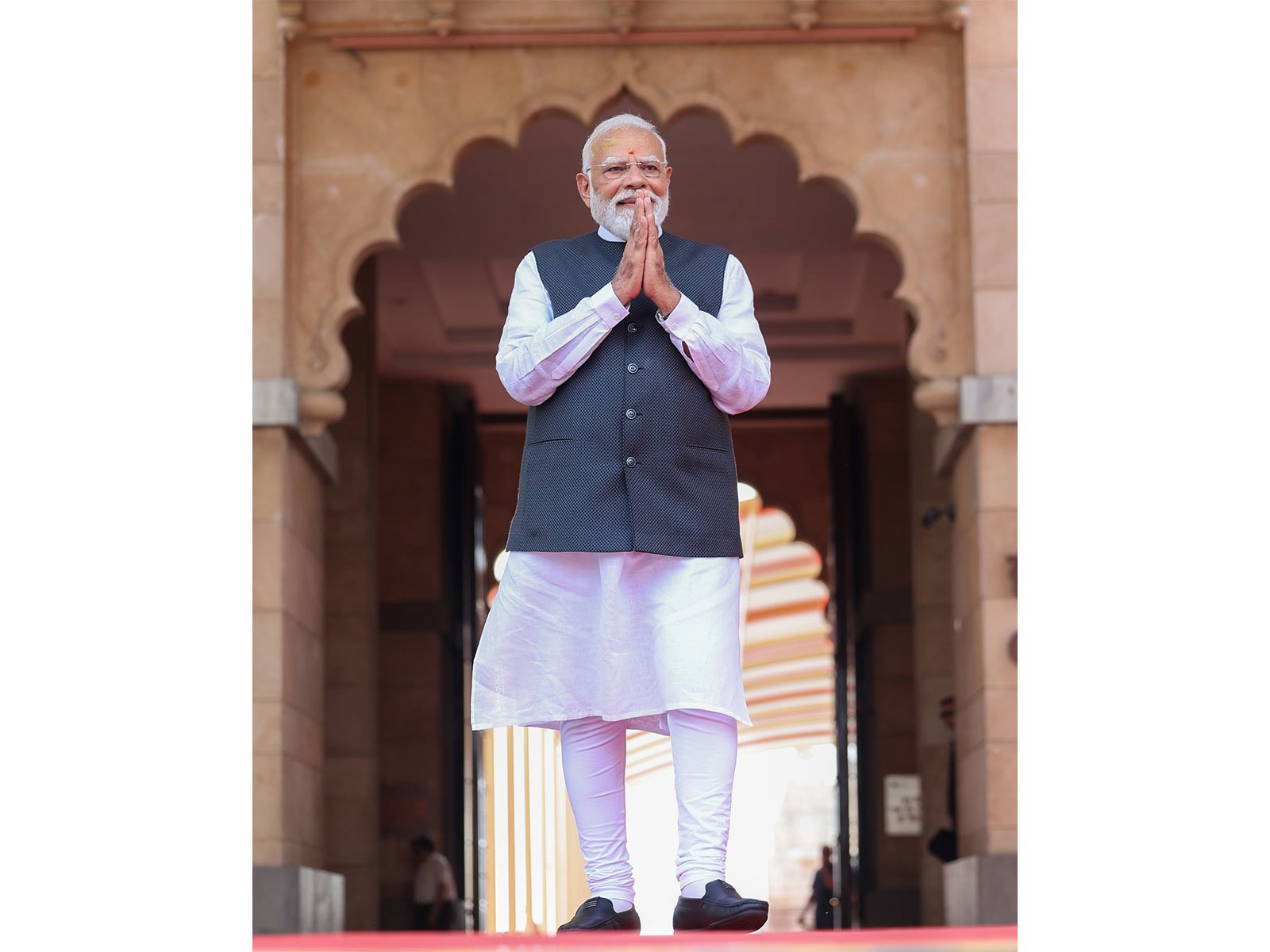
New Delhi, June 25: Marking the Emergency Anniversary, Prime Minister Narendra Modi on Thursday described the 1975 Emergency as a “direct assault on the Constitution” and paid tribute to those who stood firm in defense of democracy during one of India’s darkest political periods. On the 51st Emergency Anniversary, the Prime Minister urged citizens to remember the sacrifices made by political leaders, journalists, activists, and ordinary people who resisted the suspension of democratic rights.
Taking to X, PM Modi reflected on the significance of the Emergency Anniversary, stating that June 25 serves as a reminder of how democratic institutions and civil liberties came under severe attack during the Emergency imposed in 1975. He emphasized that the period remains a defining chapter in India’s constitutional history and should never be forgotten.
In his message on the Emergency Anniversary, the Prime Minister said, “Today, we pay homage to all those who steadfastly defended democratic values during one of the darkest chapters in India’s history, the Emergency. The Emergency was a direct assault on our Constitution.”
PM Modi further stated that the Emergency witnessed the suspension of civil liberties, restrictions on freedom of expression, arrests of opposition leaders, journalists, and social workers, and attacks on institutions that form the backbone of India’s democracy. According to him, the Emergency Anniversary is not only a time for remembrance but also an opportunity to reaffirm the nation’s commitment to constitutional values.
The Prime Minister highlighted that despite widespread repression, thousands of courageous Indians refused to remain silent. He said their determination and sacrifice continue to inspire future generations on every Emergency Anniversary. Their resistance, he noted, played a crucial role in preserving democratic ideals and ensuring that constitutional principles remained alive during one of the country’s most challenging periods.
Reaffirming his government’s commitment to democratic governance, PM Modi said the Constitution represents the aspirations, rights, and responsibilities of 140 crore Indians. On the Emergency Anniversary, he called upon citizens to remain dedicated to the ideals of justice, liberty, equality, and fraternity as enshrined in the Constitution.
What Happened During the Emergency?
The Emergency Anniversary commemorates the proclamation issued on June 25, 1975, when then-President Fakhruddin Ali Ahmed declared a National Emergency under Article 352 of the Constitution, citing “internal disturbance” as the reason. The Emergency remained in force until March 21, 1977, making it one of the most controversial periods in independent India’s political history.
During the Emergency, several constitutional rights were suspended, press censorship was imposed, and political opposition faced widespread crackdowns. The Emergency Anniversary continues to remind Indians of the importance of safeguarding democratic institutions and protecting civil liberties against executive overreach.
One of the defining features of the Emergency was the extensive use of the Maintenance of Internal Security Act (MISA), under which thousands of opposition leaders, activists, journalists, and civil society members were detained without trial. These arrests remain one of the most discussed aspects of the period remembered every Emergency Anniversary.
Opposition Leaders Were Jailed
Among those arrested during the Emergency was veteran socialist leader Jayaprakash Narayan, popularly known as JP, who had spearheaded the Sampoorn Kranti (Total Revolution) movement against the Congress government. Many other prominent opposition leaders were also imprisoned under MISA.
Political historians often point out that the Emergency Anniversary serves as an important reminder of the resilience shown by democratic institutions despite immense political pressure. The sacrifices made by opposition leaders continue to be remembered by various political parties and civil society groups across the country.
Shah Commission Findings
The Shah Commission, constituted after the Emergency was lifted, investigated the excesses committed during the 21-month period. Its reports documented instances of mass detentions, press censorship, forced sterilization drives, and misuse of administrative powers.
The findings of the commission continue to shape public discussions every Emergency Anniversary, as they highlight the consequences of weakening constitutional safeguards. The reports remain an important historical reference for scholars studying India’s democratic evolution.
BJP Observes Emergency Anniversary
The Bharatiya Janata Party (BJP) has consistently observed the Emergency Anniversary to highlight what it describes as one of the gravest attacks on democracy in independent India. Last year, the party marked the occasion as “Samvidhan Hatya Diwas,” emphasizing the importance of protecting constitutional institutions and democratic freedoms.
Political leaders across the BJP have repeatedly argued that the Emergency Anniversary should educate younger generations about the dangers of authoritarian governance and the need to defend democratic rights.
Constitutional Values Remain Central
PM Modi reiterated that India’s Constitution remains the guiding force for governance and national development. On the Emergency Anniversary, he urged every citizen to strengthen democratic institutions through active participation, responsible citizenship, and respect for constitutional principles.
He added that the ideals of justice, liberty, equality, and fraternity continue to shape India’s future and that protecting these values remains a collective responsibility. According to the Prime Minister, the Emergency Anniversary reminds every Indian that democracy survives only when constitutional institutions remain independent and citizens remain vigilant.
Why the Emergency Anniversary Matters Today
The Emergency Anniversary remains one of the most significant dates in India’s political calendar because it symbolizes both the fragility and resilience of democracy. Historians believe that remembering this chapter helps reinforce the importance of constitutional checks and balances, freedom of expression, judicial independence, and political accountability.
As India marks the 51st Emergency Anniversary, political leaders, constitutional experts, and citizens continue to debate its long-term impact on Indian democracy. While opinions differ across political lines, there is broad agreement that the events between 1975 and 1977 remain a defining lesson in the importance of safeguarding democratic institutions.
The Emergency Anniversary ultimately serves as a reminder that constitutional values must remain above political interests. By remembering the sacrifices of those who defended democracy, India continues to strengthen its commitment to a free, democratic, and constitutional future.
About The Author