
 admin
admin 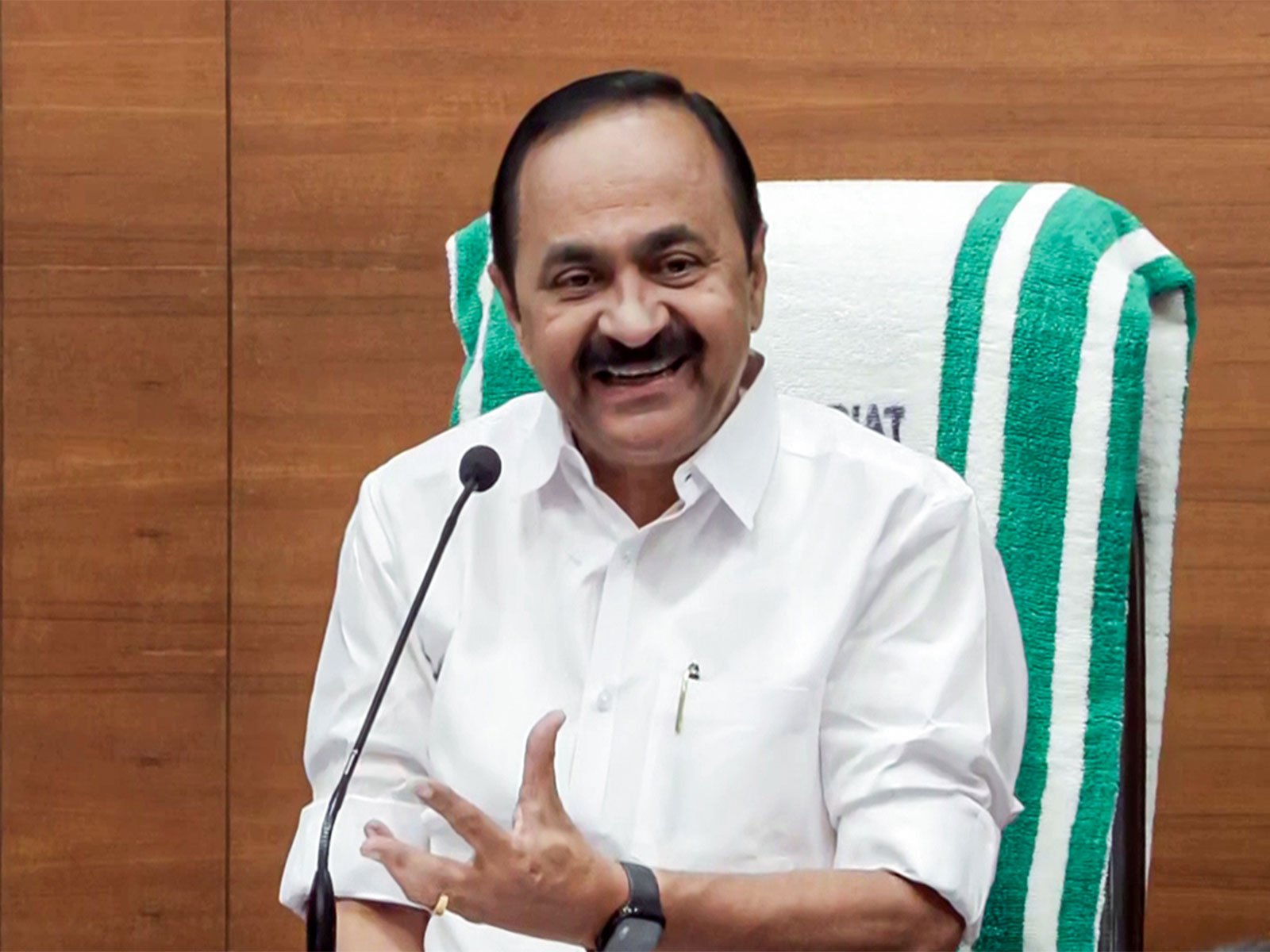
The latest decision comes just ahead of Independence Day and is aimed at addressing a portion of the pending Kerala paddy procurement dues.
The Kerala government has sanctioned Rs 150 crore to clear pending paddy procurement dues owed to farmers under the Paddy Receipt Sheet (PRS) system. Chief Minister V D Satheesan announced that payments for PRS issued up to July 31, 2026, for the 2025-26 paddy procurement season would be made available to eligible farmers from August 14.
The move is expected to provide financial relief to farmers who have been waiting for payment against paddy procured through the state’s procurement programme. The disbursement will resume through a consortium of banks, including the State Bank of India (SBI) and Canara Bank.
The latest decision to clear Kerala paddy procurement dues is expected to provide financial relief to farmers awaiting payments for paddy procured during the 2025-26 season. The government said eligible farmers with PRS issued up to July 31, 2026, will be covered under the payment process.
Rs 150 Crore Released for Kerala Paddy Procurement Dues
The state government’s decision to sanction Rs 150 crore is primarily aimed at clearing pending payments under the PRS system.
According to the announcement, farmers whose PRS were issued on or before July 31, 2026, will be covered under the latest payment process. The payments relate to paddy procured during the 2025-26 procurement season.
The release is expected to offer immediate financial support to farming households that have been waiting for their dues.
The issue of Kerala paddy procurement dues has remained important because farmers depend on timely payments after their produce is purchased through government-supported procurement mechanisms.
Payments to Resume Through Bank Consortium
The government said the pending payments would resume through a consortium of banks.
The State Bank of India and Canara Bank are among the institutions involved in the payment arrangement. The banking mechanism is expected to help process the dues owed to eligible farmers.
The resumption of payments is particularly significant for farmers who have already supplied their paddy but have not yet received the full amount due under the PRS system.
By facilitating the payment process through banks, the government expects the latest allocation to help reduce the outstanding Kerala paddy procurement dues for the specified period.
Who Will Receive the Pending Payments?
The latest payment process will cover farmers whose Paddy Receipt Sheets were issued up to July 31, 2026.
The PRS system is used in Kerala’s paddy procurement process to record the produce purchased from farmers and facilitate payments. Under the latest announcement, the Rs 150 crore allocation will be used specifically for pending payments connected with the 2025-26 procurement season.
Farmers whose PRS falls within the specified period are therefore expected to benefit from the latest disbursement.
The government has indicated that the payment process will resume from Thursday, August 14, allowing eligible farmers to receive amounts that have been pending.
Why Timely Paddy Payments Matter
Timely payment for agricultural produce is important for farming households because farmers have to manage several expenses throughout the agricultural cycle.
These include seeds, fertilisers, labour costs, machinery, irrigation and other cultivation-related expenses. Delays in receiving payments for already-procured crops can therefore create financial pressure.
The latest allocation to address Kerala paddy procurement dues is expected to provide some relief by making funds available to farmers covered under the specified PRS period.
For many farming households, receiving procurement payments on time can also help them prepare financially for the next cultivation cycle.
Kerala’s Paddy Procurement System
Paddy procurement is an important component of Kerala’s agricultural support system. Government procurement mechanisms provide farmers with an organised channel to sell their produce.
The PRS system forms part of this process. Once paddy is procured, the relevant receipt documentation is used to facilitate the payment process.
The state has also been working on broader reforms to improve the paddy procurement mechanism. Kerala’s 2026 budget documents said the government planned reforms aimed at ensuring farmers receive compensation within one week of procurement during the 2026-27 season.
These proposed changes reflect the importance of addressing delays and improving the overall payment process.
Rs 150 Crore Allocation Comes Ahead of Independence Day
The announcement was made on August 14, one day before India’s Independence Day.
Chief Minister V D Satheesan highlighted the timing of the decision and reaffirmed the government’s commitment to the farming community.
The allocation comes as farmers await payment for paddy already procured during the 2025-26 season. Clearing the outstanding Kerala paddy procurement dues is expected to provide financial relief at a time when farmers are managing expenses related to agricultural activities.
Recent reports also identify V D Satheesan as Kerala’s Chief Minister following the 2026 state elections.
Farmers Expected to Get Financial Relief
The Rs 150 crore sanction is expected to benefit eligible farmers whose PRS were issued on or before July 31.
For farmers who have been waiting for their procurement payments, the resumption of disbursement could provide much-needed financial support.
The involvement of SBI and Canara Bank in the consortium is also expected to help streamline the processing of payments.
However, the latest allocation addresses the specified pending dues and should not necessarily be interpreted as the complete resolution of all outstanding agricultural payment issues.
Government Focus on Agricultural Support
The latest move comes against the backdrop of efforts to strengthen Kerala’s agricultural support system.
Paddy remains an important crop for the state, particularly in regions where farming households depend on procurement programmes for market access.
Ensuring that farmers receive payment after their produce is procured is essential for maintaining confidence in government procurement mechanisms.
The issue of Kerala paddy procurement dues also highlights the wider importance of efficient payment systems in agriculture. Faster processing can reduce financial stress for farmers and help them reinvest in cultivation.
Kerala’s budget documents have also outlined reforms to improve the procurement process and address delays, indicating that payment efficiency remains an important policy priority.
What Happens Next?
With Rs 150 crore now sanctioned, eligible farmers can expect the payment process to resume through the designated banking consortium.
Farmers whose PRS were issued by July 31, 2026, are included in the latest payment arrangement, according to the government’s announcement.
The effectiveness of the latest measure will depend on how quickly the sanctioned funds are processed and transferred to eligible farmers.
At the same time, the state government’s longer-term procurement reforms could play an important role in reducing the recurrence of payment delays.
A Relief for Paddy Farmers
The sanction of Rs 150 crore represents an important step toward clearing Kerala paddy procurement dues linked to the 2025-26 procurement season.
For farmers who have been waiting for payments, the resumption of disbursement through SBI, Canara Bank and other participating institutions could provide much-needed financial relief.
The announcement also reinforces the importance of timely procurement payments in supporting farming households and ensuring continuity in agricultural activity.
As Kerala continues to strengthen its paddy procurement system, faster payments and improved procurement mechanisms will remain important for the state’s farming community.
The latest Rs 150 crore allocation is therefore both an immediate financial measure for eligible farmers and part of a broader effort to improve the functioning of the state’s agricultural procurement system.
About The Author