
 admin
admin 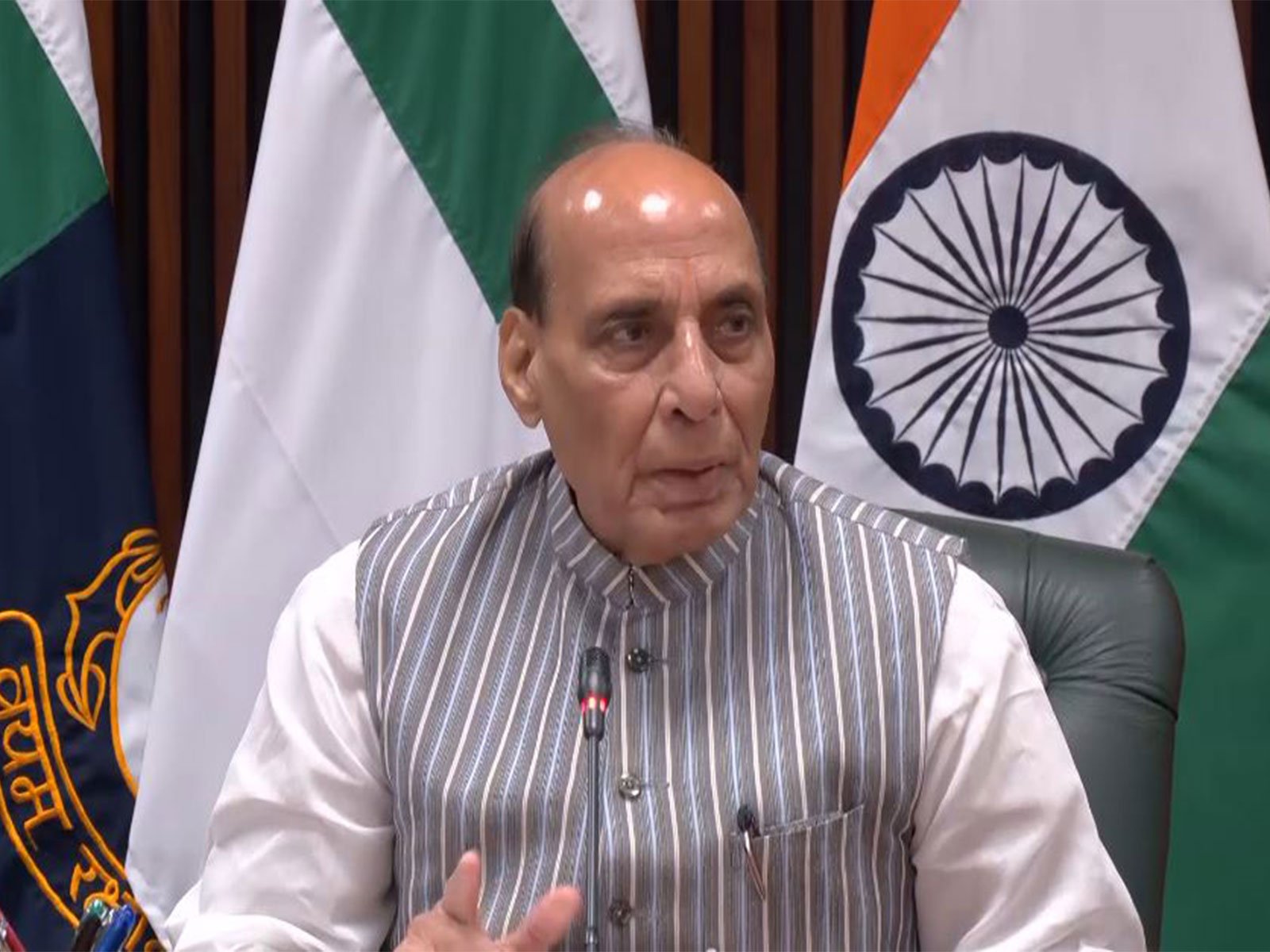
Defence Minister Rajnath Singh has praised the outstanding performance of the Indian Army contingent at the Commonwealth Games 2026 in Glasgow, highlighting the crucial contribution made by Army athletes to India’s overall medal tally. The 20-member Indian Army contingent secured an impressive 16 medals, comprising eight gold, seven silver and one bronze, making a significant impact on India’s successful campaign.
According to Singh, the Indian Army contingent contributed 41 per cent of India’s total medals and 62 per cent of the country’s gold medal haul at the Glasgow Games. He interacted with the athletes and congratulated them for their discipline, determination and commitment to sporting excellence.
Rajnath Singh Praises Army Athletes
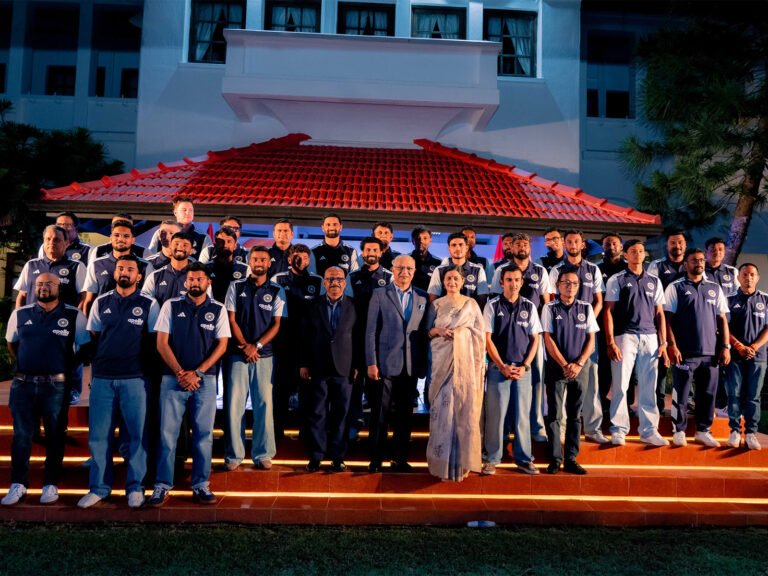
During his interaction with the Indian Army contingent, Rajnath Singh said he felt immense pride watching Army athletes represent the country across five different sports. He noted that a relatively small group of 20 athletes had delivered a substantial share of India’s overall success at the international sporting event.
The Defence Minister said the achievements of the Indian Army contingent demonstrated the combination of discipline, courage and tireless effort that defines both military service and competitive sport.
India finished the Commonwealth Games 2026 with 39 medals, including 13 gold, 17 silver and nine bronze, placing fourth in the overall medal standings.
The contribution of the Indian Army contingent therefore stood out as one of the major highlights of India’s campaign in Glasgow.
Strong Performance Across Five Sports
The Indian Army contingent competed in five different sports at the Commonwealth Games 2026. Its 16-medal haul included eight gold medals, seven silver medals and one bronze medal.
The performance underlined the growing importance of the armed forces in India’s sporting ecosystem. Army athletes have traditionally played a major role in disciplines requiring physical strength, endurance, discipline and mental resilience.
Singh said that the success of the Indian Army contingent was not merely about winning medals but also about inspiring young Indians to view sport as a serious and respected career.
The Minister highlighted how India’s sporting landscape has changed significantly in recent years. According to him, sporting success is no longer restricted to athletes from affluent families or specific regions. Champions are increasingly emerging from villages, small towns and economically disadvantaged backgrounds.
Women Athletes Earn Special Praise
Rajnath Singh also specifically praised women athletes from the Indian Army contingent, particularly those who performed strongly in boxing.
He said the growing participation and success of women in sport was a positive sign for India’s future. The achievements of female Army athletes, he noted, demonstrated that India’s women are capable of competing and succeeding at the highest levels.
The performance of women boxers at Glasgow was especially significant for Indian sport. India’s boxing campaign produced a record 10 medals at the 2026 Commonwealth Games, surpassing the previous benchmark of six gold medals achieved by England and Canada in earlier editions.
The success of the Indian Army contingent in boxing and other disciplines reflects the depth of India’s emerging sporting talent.
Sports Becoming More Democratic
One of the key themes in Rajnath Singh’s interaction with the Indian Army contingent was the democratisation of sports.
Singh said that sport was once considered an activity largely accessible to particular social groups and financially well-off families. Today, however, athletes are increasingly emerging from remote villages, small towns and middle-class households.
He described the medal winners as pioneers of a new sporting era and said their stories could motivate millions of young people across the country.
The achievements of the Indian Army contingent reinforce this broader transformation. Many athletes from the armed forces have demonstrated that opportunities, structured training and determination can help talented individuals reach international podiums.
Bigger Challenges Ahead
While congratulating the Indian Army contingent, Rajnath Singh also reminded the athletes that bigger challenges lie ahead.
He pointed towards upcoming international competitions, particularly the Asian Games and the Olympic Games, where the level of competition, expectations and pressure will be significantly higher.
Singh expressed confidence that the qualities that helped the Indian Army contingent succeed in Glasgow—discipline, courage, hard work and dedication—would help the athletes achieve further milestones.
He encouraged the athletes to continue challenging themselves, learn from every competition and maintain the same commitment that brought them success at the Commonwealth Games.
India Finishes Fourth in Glasgow
India concluded its Commonwealth Games 2026 campaign with 39 medals: 13 gold, 17 silver and nine bronze. The country finished fourth in the overall medal standings.
The performance came despite a reduced sports programme at Glasgow compared with some previous Commonwealth Games editions. Several disciplines in which India has traditionally been strong were not part of the 2026 programme.
Against that backdrop, the contribution of the Indian Army contingent becomes even more notable. Its 16 medals represented a substantial portion of India’s final tally and helped strengthen the country’s position in the standings.
The Glasgow Games also marked an important moment for India’s future in the Commonwealth movement. Scotland formally handed over the Commonwealth Games flag and ceremonial baton to India, which is set to host the 2030 Commonwealth Games in Ahmedabad.
A New Sporting Chapter for India
The performance of the Indian Army contingent at Glasgow is more than a medal-winning story. It represents the growing connection between India’s defence forces and the country’s sporting ambitions.
Army athletes have repeatedly demonstrated that military discipline can translate into sporting excellence. Their ability to handle pressure, maintain rigorous training schedules and perform consistently on international platforms makes them valuable ambassadors of Indian sport.
For the Indian Army contingent, the 2026 Commonwealth Games have delivered an impressive medal record. For India, the performance offers another indication of the country’s expanding sporting potential.
As the nation looks towards the Asian Games and the Olympics, the success achieved in Glasgow could serve as an important source of motivation. The Indian Army contingent will now be expected to carry the same spirit of determination and excellence into future competitions.
Rajnath Singh’s message was therefore both a celebration of the Glasgow achievement and a call for greater ambition. With 16 medals from 20 athletes, the Indian Army contingent has set a powerful example of how discipline, dedication and perseverance can translate into international success.
About The Author