
Pankaj Agrawal Bank Fraud: CBI Intensifies Probe into Alleged Misappropriation of Government Funds
 admin
admin 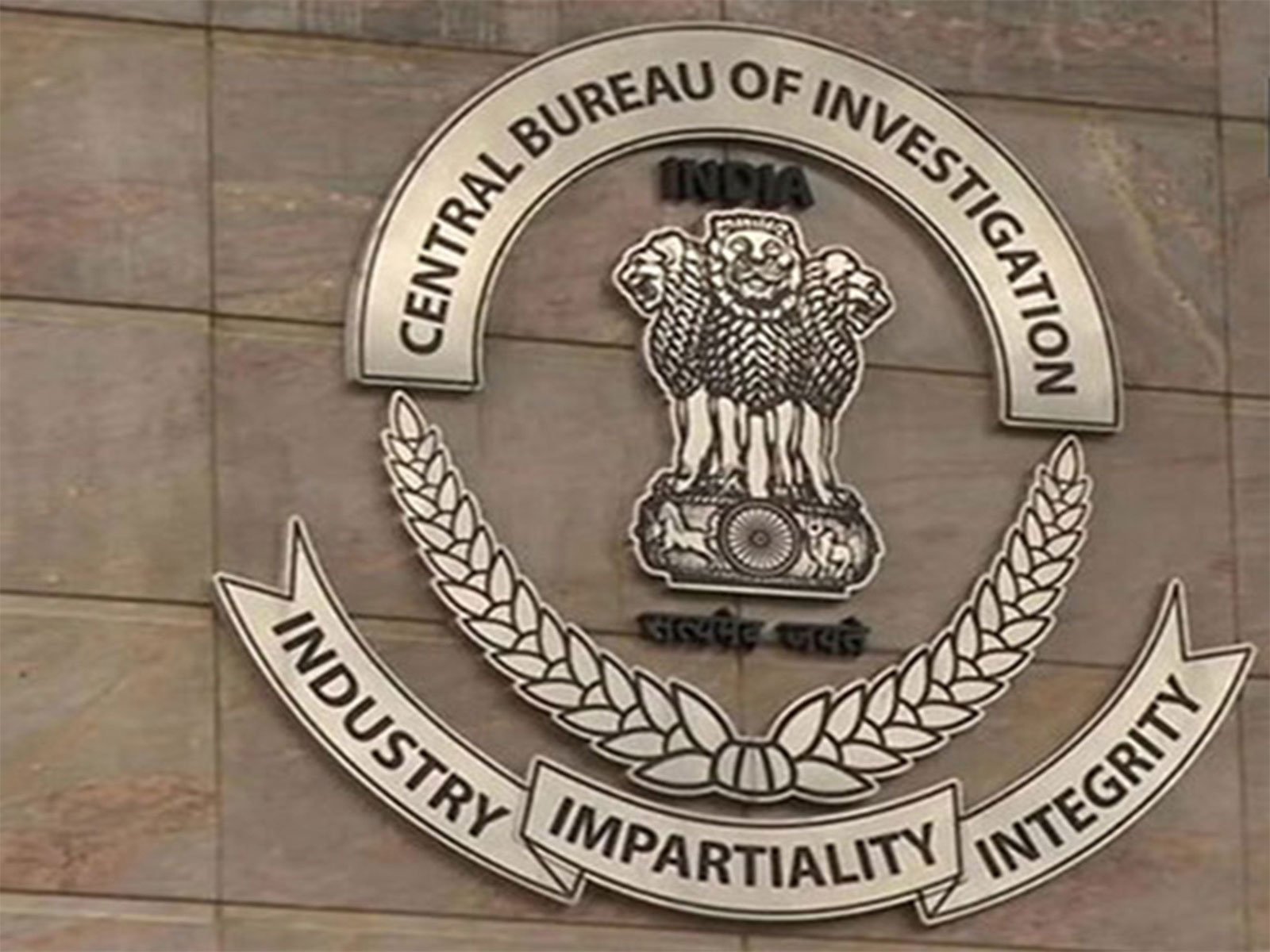
The Pankaj Agrawal Bank Fraud case has become one of the most closely watched corruption investigations in Haryana, with the Central Bureau of Investigation (CBI) expanding its probe into the alleged misuse of government funds. The suspension of senior IAS officer Pankaj Agrawal by the Haryana government has further highlighted the seriousness of the allegations and the state’s commitment to ensuring accountability within the administration.
According to investigators, the case involves alleged financial irregularities linked to accounts maintained by the Haryana School Shiksha Pariyojna Parishad (HSSPP) and the Haryana State Agriculture Marketing Board (HSAMB). The CBI alleges that these accounts were opened and operated in violation of the Finance Department’s prescribed guidelines, allowing transactions that exceeded approved financial limits.
Officials claim that substantial government funds were transferred into bank accounts maintained at the Sector 32 branch of IDFC FIRST Bank in Chandigarh. Investigators are now examining whether these transactions were carried out with the knowledge or involvement of public officials, bank employees, and private entities.
Investigation Covers Multiple Financial Transactions
The Pankaj Agrawal Bank Fraud investigation is not limited to a single transaction. The CBI is reviewing thousands of banking records, official documents, and digital financial trails to determine how government funds were handled. Officials are also verifying approvals, account-opening procedures, fund transfer records, and internal communications between departments and banking institutions.
Forensic experts are assisting investigators in examining electronic records and financial data to identify the complete movement of funds. The agency is expected to question additional officials and banking personnel as the investigation progresses.
Multiple Accused Already Chargesheeted
The CBI has already filed chargesheets against 17 accused in the Pankaj Agrawal Bank Fraud case. Those named include six officials associated with IDFC FIRST Bank and AU Small Finance Bank, three Haryana government employees, two private companies, and six private individuals.
Investigators believe the alleged fraud may have involved coordinated actions between officials and private parties. The agency is examining whether established financial safeguards were deliberately bypassed to facilitate unauthorized transfers of public money.
Administrative and Legal Implications
The Haryana government’s decision to suspend Pankaj Agrawal is an administrative measure that remains in force while the Pankaj Agrawal Bank Fraud investigation and judicial proceedings continue. Suspension does not determine guilt but ensures that the investigation can proceed without administrative interference.
Legal experts note that the case could have wider implications for financial governance and accountability in government departments. If the allegations are proven in court, it may lead to stricter compliance measures, enhanced financial monitoring, and stronger oversight of government accounts across the state.
Connection with Other CBI Cases
Investigators have also linked the Pankaj Agrawal Bank Fraud probe with other ongoing CBI investigations involving Chandigarh Smart City Limited (CSCL), Chandigarh Municipal Corporation, and CREST Chandigarh. These cases similarly involve allegations of financial misconduct, irregular banking practices, and misuse of public funds.
The CBI has already filed separate chargesheets in these cases against several bank officials, government employees, companies, and private individuals. Authorities believe these investigations may reveal broader systemic weaknesses in financial controls and banking oversight.
Focus on Transparency and Accountability
The Pankaj Agrawal Bank Fraud case has reignited discussions on transparency in public administration and the need for stronger financial safeguards. Experts say government departments handling large public funds must follow strict financial protocols, conduct regular audits, and strengthen digital monitoring systems to prevent misuse.
The investigation also underscores the importance of coordination between financial institutions, government departments, and law enforcement agencies in detecting and preventing economic offences.
What Happens Next?
The CBI continues to gather documentary evidence Pankaj Agrawal Bank Fraud, examine financial records, and question individuals connected with the case. Additional arrests or supplementary chargesheets may follow if new evidence emerges during the investigation.
Meanwhile, the courts will determine the legal course of the case based on the evidence presented by the investigating agency. The outcome is expected to influence future anti-corruption measures and financial governance reforms within government institutions.
The Pankaj Agrawal Bank Fraud case remains one of Haryana’s most significant financial crime investigations. With a senior IAS officer under suspension, multiple accused already chargesheeted, and the CBI expanding its inquiry, the case continues to draw national attention.
As investigators trace the alleged flow of misappropriated public funds and examine the roles of officials, bankers, and private entities, the Pankaj Agrawal Bank Fraud investigation is expected to play a crucial role in strengthening accountability and reinforcing public confidence in the administration of government finances.
About The Author