
 admin
admin 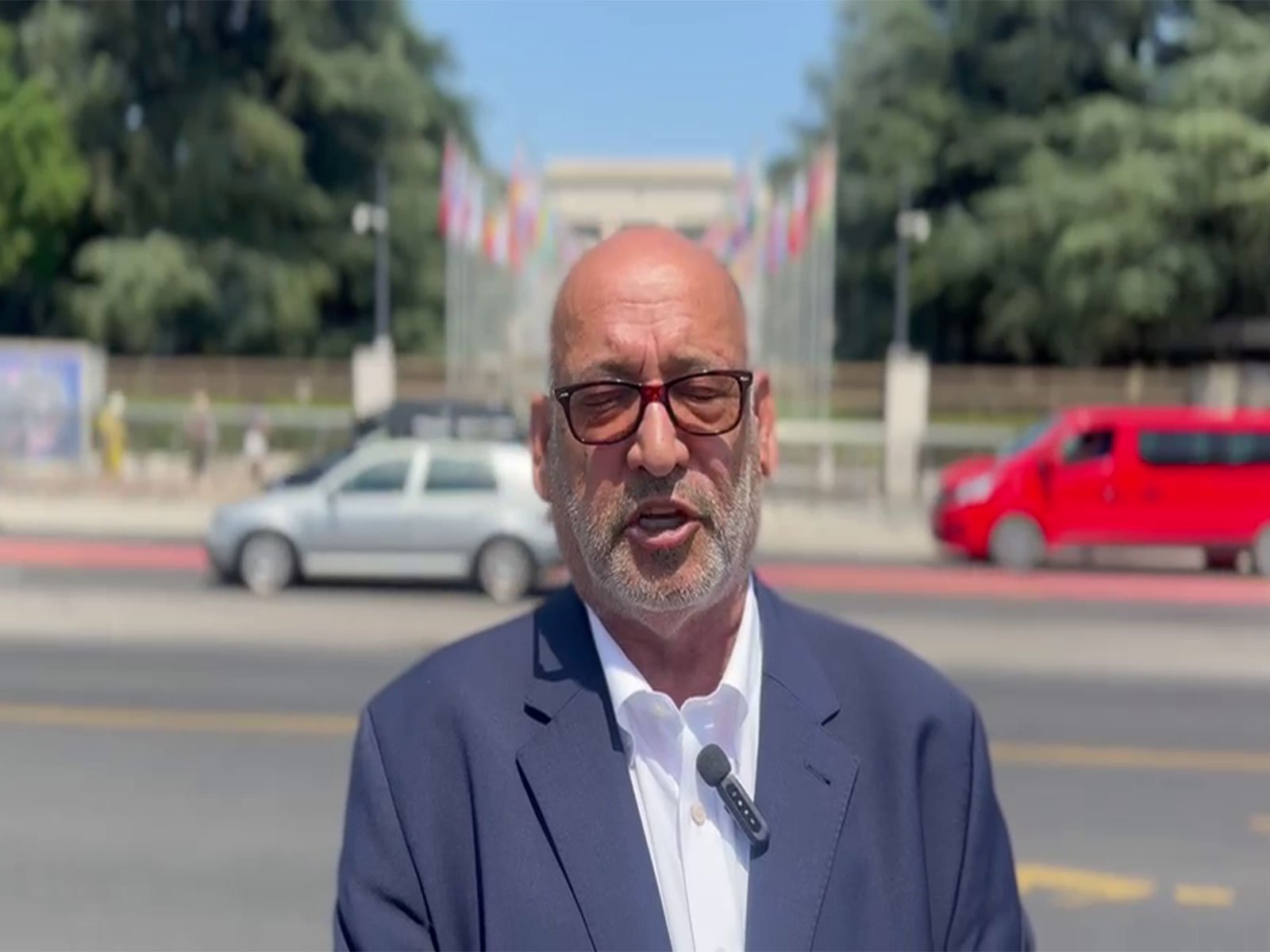
Geneva, June 27: The PoJK Human Rights Crisis has drawn international attention after serious allegations were raised against Pakistani authorities during the 62nd session of the United Nations Human Rights Council (UNHRC) in Geneva. Human rights advocates claim that restrictions, arrests, and supply disruptions in Pakistan-occupied Jammu and Kashmir (PoJK) have created a worsening humanitarian situation.
Mirza Shafiq, Chairman of the Swiss Kashmir Human Rights Commission, accused Pakistani authorities of imposing severe restrictions across the region. According to him, the ongoing PoJK Human Rights Crisis has affected thousands of residents by limiting access to essential goods, healthcare, and communication.
Road Blockades Intensify PoJK Human Rights Crisis
Speaking on the sidelines of the UNHRC session, Shafiq alleged that roads connecting PoJK with Pakistan have been blocked by security forces, including police and Rangers. These road closures have reportedly disrupted the transportation of food supplies, medicines, fuel, and other necessities.
The PoJK Human Rights Crisis has become increasingly severe as residents face shortages of daily essentials. Human rights observers warn that prolonged restrictions could worsen living conditions and increase tensions in the region.
Shafiq claimed that the inability to move goods freely has created uncertainty among local communities. Many families reportedly fear further deterioration of the humanitarian situation if the blockades continue.
Humanitarian Concerns Grow Across PoJK
A major concern surrounding the PoJK Human Rights Crisis is the impact on vulnerable populations, including elderly citizens and those requiring regular medical treatment.
Shafiq shared a personal account, stating that he has been unable to contact his 90-year-old mother for nearly three weeks. According to him, her health condition requires regular medication, but ongoing restrictions have made access to healthcare and medicines increasingly difficult.
Human rights groups argue that the PoJK Human Rights Crisis is no longer merely a political issue but a humanitarian emergency affecting ordinary civilians. They have urged authorities to ensure uninterrupted access to medical care and essential services.
Calls for International Intervention
As the PoJK Human Rights Crisis gains attention, international organizations are being urged to take action. Shafiq appealed to global human rights bodies and international institutions to facilitate dialogue between the Pakistani government and the Jammu and Kashmir Joint Awami Action Committee (JKJAAC).
He emphasized that constructive engagement remains the most effective path toward reducing tensions and preventing further escalation. According to activists, international mediation could help restore normalcy and address grievances raised by local communities.
Observers believe that without meaningful dialogue, the PoJK Human Rights Crisis could continue to intensify, potentially leading to greater instability in the region.
Concerns Over Human Rights Activists
The PoJK Human Rights Crisis has also drawn attention to the treatment of activists and civil society members. Shafiq criticized the reported life imprisonment of human rights activist Dr. Mahrang Baloch, calling the punishment unjust.
He recalled meeting her during a protest in Islamabad in 2024 and argued that any allegations against activists should be handled through transparent legal processes. According to him, fair trials and access to legal representation are essential components of human rights protections.
Human rights advocates argue that cases involving activists contribute to broader concerns surrounding the PoJK Human Rights Crisis, particularly regarding freedom of expression and civil liberties.
Reports of Arrests and Anti-Terrorism Charges
Another major aspect of the PoJK Human Rights Crisis involves allegations of mass arrests and the use of anti-terrorism laws against protesters.
Shafiq claimed that demonstrations have continued across PoJK for nearly three weeks. During this period, he alleged that hundreds of individuals had been detained by authorities.
According to the figures presented, more than 576 people have reportedly been arrested, while 34 individuals have been charged under anti-terrorism legislation. Human rights observers argue that the use of such laws against protesters raises serious questions about proportionality and due process.
The PoJK Human Rights Crisis has therefore become a subject of growing concern among advocacy groups monitoring civil and political rights in the region.
Allegations of Deaths During Protests
The PoJK Human Rights Crisis has become even more alarming following allegations that over 22 people have lost their lives during the ongoing unrest.
Human rights advocates claim that several individuals were killed during protests and security operations. They further allege that some families have not received the bodies of their deceased relatives, adding to public anger and grief.
While these claims have attracted international attention, activists continue to call for independent investigations to establish the facts surrounding the reported deaths.
Experts believe that transparent inquiries could help address concerns and strengthen accountability mechanisms amid the ongoing PoJK Human Rights Crisis.
UNHRC Session Highlights Growing Global Attention
The issue gained visibility during discussions held alongside the United Nations Human Rights Council session in Geneva. Participants highlighted concerns related to civil liberties, access to humanitarian assistance, and the treatment of protesters.
The PoJK Human Rights Crisis is increasingly being discussed within international forums, reflecting growing interest in the humanitarian and human rights implications of the situation.
Advocates argue that international attention may encourage dialogue and help ensure that concerns raised by affected communities are addressed through peaceful and lawful mean.
The PoJK Human Rights Crisis continues to generate concern among human rights organizations and international observers. Allegations of road blockades, shortages of essential supplies, mass arrests, anti-terrorism charges, and protest-related deaths have intensified scrutiny of the situation.
As calls for dialogue and humanitarian access grow louder, many observers believe that constructive engagement between all stakeholders remains critical. The coming weeks may prove crucial in determining whether efforts to address the PoJK Human Rights Crisis can help ease tensions and improve conditions for residents affected by the ongoing unrest.
About The Author