

 admin
admin 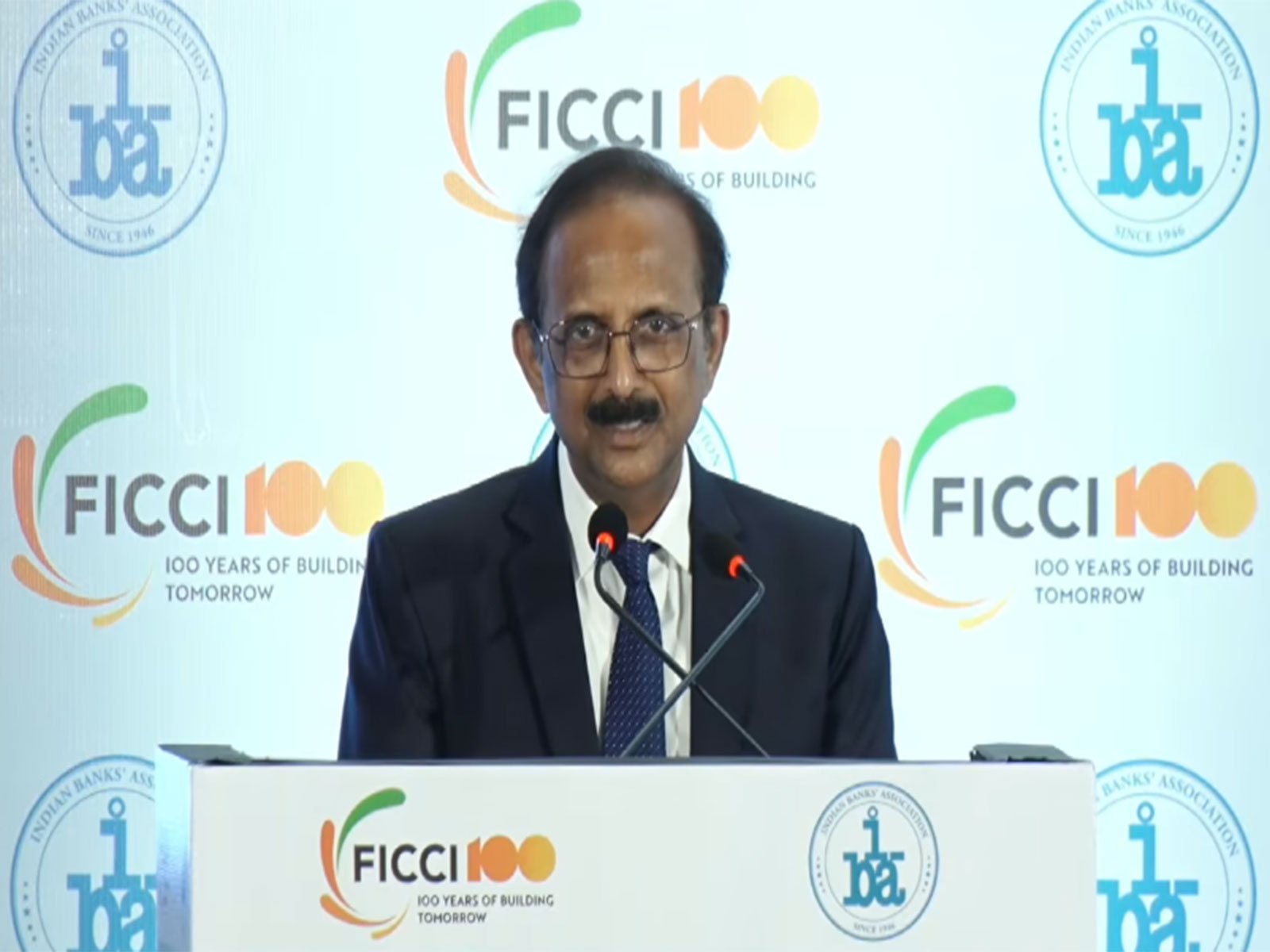
Artificial intelligence is expected to play a growing role in India’s banking sector, but its next phase should extend beyond retail banking and reach rural communities, small businesses and customers who may not have conventional banking histories, State Bank of India Chairman Challa Sreenivasulu Setty said on Tuesday.
Speaking at the FIBAC 2026 annual banking conference in Mumbai, Setty said the banking industry needs to focus on converting technological capabilities into practical economic opportunities as India works towards its ambition of becoming a developed economy by 2047.
According to Setty, AI in banking should increasingly support wider access to credit and financial services, particularly for sections of the economy that have traditionally been underserved.
AI in Banking Needs to Reach Rural India
Setty said the next phase of AI in banking should move deeper into the economy, with rural India, small businesses and customers with limited conventional banking records becoming important areas of focus.
Banks have already begun using artificial intelligence to understand customers, improve services, strengthen risk management and make credit processes more efficient.
However, much of the early adoption has been concentrated in retail banking.
Setty argued that the bigger opportunity lies in applying these technologies to sectors where traditional banking models may not always provide a complete picture of a customer’s financial situation.
This could allow banks to assess customers and businesses using a broader range of information while improving access to financial services.
Agriculture Could Benefit From AI
Agriculture is one of the areas where AI in banking could have a meaningful impact.
Setty highlighted the potential for artificial intelligence to support better farm-level decisions while helping financial institutions improve their understanding of agricultural risks.
Data-driven risk assessment, digital records and satellite imagery could provide banks with additional information when assessing agricultural borrowers.
Such technologies could potentially help lenders make better-informed decisions about credit while improving portfolio management.
For farmers, better data could also support access to financial services that may otherwise be difficult to obtain through conventional banking models.
The challenge, Setty said, is ensuring that these technologies move beyond pilot projects and become affordable, practical and accessible at the last mile.
Small Businesses Could Gain From AI-Based Banking
Small businesses are another major area where AI in banking could expand access to financial services.
Many small businesses may not have extensive financial records or conventional banking histories. This can make it difficult for lenders to assess their creditworthiness through traditional methods.
AI-based systems could potentially analyse a wider range of data and help banks develop more efficient methods of evaluating credit risk.
Setty said AI should ultimately help small businesses obtain timely credit, manage risk and improve productivity.
For India’s large small-business ecosystem, faster and more appropriate access to finance could support expansion and operational efficiency.
However, such systems would also need to remain transparent and reliable so that customers understand how important financial decisions are being made.
SBI Chief Highlights AI Opportunities
The SBI chairman said banks are already exploring AI in banking for several functions.
These include customer understanding, service improvement, risk management and more efficient credit processes.
The technology can help banks handle large amounts of information and identify patterns that may be difficult to detect through conventional methods.
However, Setty stressed that technological sophistication alone should not be the measure of success.
The real test, according to him, is what artificial intelligence enables banks and customers to accomplish in practical terms.
This means that technology should ultimately contribute to better financial access, improved productivity and safer banking systems.
Cybersecurity and Fraud Risks
While highlighting the potential of AI in banking, Setty also warned about the risks associated with wider adoption.
As banks increasingly deploy artificial intelligence, cyber threats and financial fraud could become more sophisticated.
Criminals could potentially use advanced technologies to develop new methods of attacking financial institutions and customers.
Setty therefore stressed that banks must strengthen their security systems at the same time that they expand their use of AI.
Trust remains fundamental to banking, and maintaining that trust will require institutions to address emerging cybersecurity challenges.
Banks may need to continuously update their security infrastructure as the technology and threat landscape evolve.
Human Accountability Remains Important
Another issue highlighted by Setty was the growing use of increasingly autonomous AI systems.
As artificial intelligence becomes capable of supporting more complex decisions, banks will need to rethink areas such as oversight, model risk, transparency and responsibility.
Setty emphasised that human accountability becomes more important when AI is involved in consequential decisions.
This is particularly relevant for banking because decisions involving credit, financial risk and customer services can have significant consequences for individuals and businesses.
The wider adoption of AI in banking will therefore require a balance between automation and appropriate human supervision.
Preparing the Banking Workforce
The transition towards AI-driven banking will also affect employees.
Setty said banks need to prepare their workforce for changes in the nature of work as artificial intelligence becomes more widely integrated into banking operations.
Employees may need new skills to work alongside AI systems, interpret their outputs and manage technology-driven processes.
Workforce preparation could therefore become an important part of the banking industry’s digital transformation.
Rather than viewing AI only as a technological upgrade, banks will need to consider how employees, customers and institutions adapt to the changing environment.
AI Could Support India’s Economic Progress
Setty linked the expansion of AI in banking with India’s broader economic ambitions.
As the country works towards becoming a developed economy by 2047, financial institutions will play an important role in directing capital towards businesses, agriculture and other productive sectors.
AI could potentially help banks identify opportunities, assess risk and deliver financial services more efficiently.
For rural communities and small businesses, improved access to credit could support investment, expansion and productivity.
However, Setty’s comments also underline that technology must be made accessible beyond India’s major urban centres.
Moving Beyond Pilot Projects
A key message from the FIBAC 2026 conference was the need to move AI in banking from experimentation to practical implementation.
Banks have already tested artificial intelligence across different areas, but wider adoption will depend on whether these technologies can be deployed affordably and responsibly.
Last-mile accessibility will be particularly important for rural customers and smaller businesses.
Solutions designed primarily for large urban institutions may not automatically work in rural or underserved markets.
Banks will therefore need to develop systems that are practical, cost-effective and capable of operating across different customer segments.
Balancing Innovation and Trust
The future of AI in banking will depend on how effectively financial institutions balance innovation with trust and accountability.
Artificial intelligence can help banks process information, improve risk assessment and potentially expand access to financial services.
At the same time, increased automation introduces questions around cybersecurity, fraud, transparency and responsibility.
For this reason, banks will need strong governance frameworks alongside technological investment.
Human oversight will remain important, especially when AI systems are involved in decisions that can materially affect customers.
AI’s Evolving Role in Indian Banking
The comments from the SBI chairman reflect the broader transition taking place across the Indian financial sector.
AI is increasingly becoming part of banking operations, but its future role could extend well beyond customer-facing services.
From agricultural finance and small-business lending to risk management and productivity, artificial intelligence could become part of a wider effort to expand financial inclusion.
The challenge will be ensuring that the benefits of the technology reach customers who have historically had limited access to formal financial services.
As banks continue to invest in AI, the focus is likely to remain on developing practical applications while maintaining strong safeguards.
For India, the potential of AI in banking will ultimately be measured not only by technological progress but also by its ability to improve access, strengthen financial systems and support economic activity across different parts of the country.
About The Author