
India Supported Bangladesh’s 1971 Liberation War: Julian Francis Recalls Shared Sacrifices and India’s Historic Role
 admin
admin 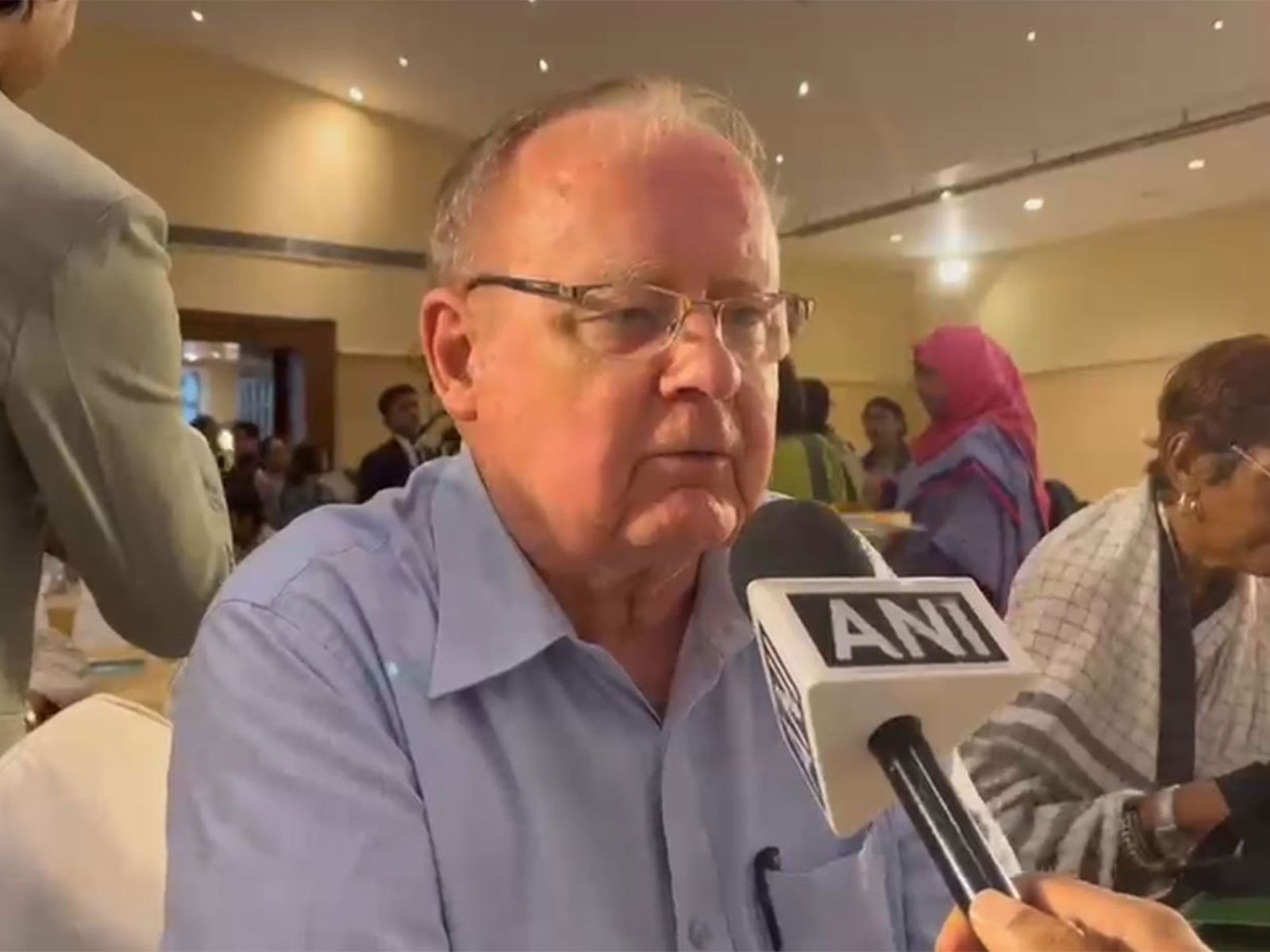
Dhaka, June 29: Renowned humanitarian Julian Francis, one of the most respected international figures associated with the Bangladesh Liberation War of 1971, has once again highlighted the extraordinary role played by India during one of South Asia’s most defining historical moments. Recalling his experiences while coordinating humanitarian relief for hundreds of thousands of refugees, Francis said India Supported Bangladesh’s 1971 Liberation War with unmatched commitment, compassion, and sacrifice.
Speaking to ANI, the British humanitarian emphasized that the assistance extended by the Indian government, armed forces, and ordinary citizens was instrumental in helping millions of displaced Bangladeshis survive one of the worst humanitarian crises in modern history. His remarks have once again brought attention to how India Supported Bangladesh’s 1971 Liberation War, not only through military intervention but also through extensive humanitarian assistance.
Julian Francis Recalls India’s Major Role in 1971 Liberation War India Supported Bangladesh’s 1971 Liberation War
Julian Francis, who worked as an Oxfam coordinator during the Liberation War, described the refugee crisis as one of immense suffering, yet equally filled with hope, resilience, and solidarity. According to him, India Supported Bangladesh’s 1971 Liberation War by opening its borders to nearly 10 million refugees, establishing refugee camps, and ensuring that relief operations could continue despite enormous logistical challenges.
“They supported greatly, and, of course, a lot of armed forces personnel lost their lives. The way the government supported, that was important,” Julian Francis told ANI.
At just 26 years old, Francis was entrusted with managing relief operations for nearly 600,000 Bangladeshi refugees spread across more than 50 refugee camps located along India’s eastern border. His work placed him at the center of one of the largest refugee relief efforts ever undertaken in South Asia.
The humanitarian explained that the camps faced severe shortages of food, medicine, shelter, and sanitation facilities. A devastating cholera outbreak further complicated the crisis, making humanitarian intervention even more urgent. Despite these hardships, India Supported Bangladesh’s 1971 Liberation War by providing infrastructure, transportation, medical assistance, and administrative support that enabled international organizations such as Oxfam to continue their relief efforts.
Francis also shared an emotional memory from the Jalpaiguri region of North Bengal, where he witnessed a powerful display of communal harmony among refugees.
He recalled India Supported Bangladesh’s 1971 Liberation War that someone attempted to divide refugees by pointing out where Hindus and Muslims lived within a camp. However, an elderly Muslim refugee immediately stood up and rejected the idea of separation.
“We have been living together for generations, and we will stay together, and we will go back together,” the man declared.
According to Francis, that moment reflected the true spirit of Bangladesh’s struggle for freedom and demonstrated the unity that defined the Liberation War. Such memories remain deeply significant even decades later and reinforce the values that inspired the independence movement.
Beyond providing food and shelter, Francis remembered India Supported Bangladesh’s 1971 Liberation War efforts to restore hope among traumatized refugees. Depression and emotional distress were widespread after months of violence and displacement. In response, doctors recommended using music as therapy.
Francis arranged for 100 harmoniums and tablas to be distributed across refugee camps, allowing displaced families to perform songs by Rabindranath Tagore and other celebrated composers. These cultural performances helped refugees reconnect with their identity and offered emotional relief during an otherwise devastating period.
The humanitarian said these initiatives showed that humanitarian assistance extends beyond physical survival. Preserving dignity, culture, and hope was equally important for people who had lost their homes and loved ones.
Historians widely acknowledge that India Supported Bangladesh’s 1971 Liberation War through a combination of humanitarian, diplomatic, and military efforts. India welcomed millions of refugees fleeing atrocities, mobilized international awareness about the humanitarian crisis, and later intervened militarily after months of escalating conflict.
The contribution of Indian soldiers came at a significant cost, with many members of the armed forces sacrificing their lives during the campaign that ultimately led to Bangladesh’s independence in December 1971. Francis specifically recognized these sacrifices, stating that India’s support extended well beyond relief operations and played a decisive role in shaping the outcome of the Liberation War.
His remarks also underline the close historical ties between India and Bangladesh,India Supported Bangladesh’s 1971 Liberation War a relationship built upon shared sacrifices during the struggle for independence. The events of 1971 continue to influence diplomatic, cultural, and economic cooperation between the two neighboring nations.
In recognition of his exceptional humanitarian service, the Government of Bangladesh awarded Julian Francis the prestigious “Friends of Liberation War Honour” in 2012. The award recognizes foreign nationals who made extraordinary contributions to Bangladesh’s independence.
His lifelong dedication was further acknowledged in 2018, when Bangladesh granted him official citizenship, making him one of the few foreign humanitarian workers to receive such an honor. The recognition reflects the lasting impact of his work during one of the country’s darkest chapters.
Today, more than five decades after the Liberation War, Francis continues to share stories of courage, resilience, and international solidarity. His experiences remind new generations that humanitarian action, unity, and international cooperation can transform even the most difficult circumstances.
As Bangladesh commemorates the heroes and supporters of its independence movement, Francis believes the lessons of 1971 remain highly relevant. He says the courage shown by refugees, aid workers, volunteers, and governments demonstrates how compassion can overcome hatred and division.
His testimony serves as another reminder that India Supported Bangladesh’s 1971 Liberation War through humanitarian assistance, refugee relief, military sacrifice, and unwavering political support. These shared experiences remain a cornerstone of India-Bangladesh relations and continue to symbolize the enduring friendship between the two nations.
The memories shared by Julian Francis offer valuable historical insight into the events of 1971 and highlight how cooperation between governments, humanitarian organizations, and ordinary citizens helped millions survive one of the largest refugee crises in modern history.
About The Author