

 admin
admin 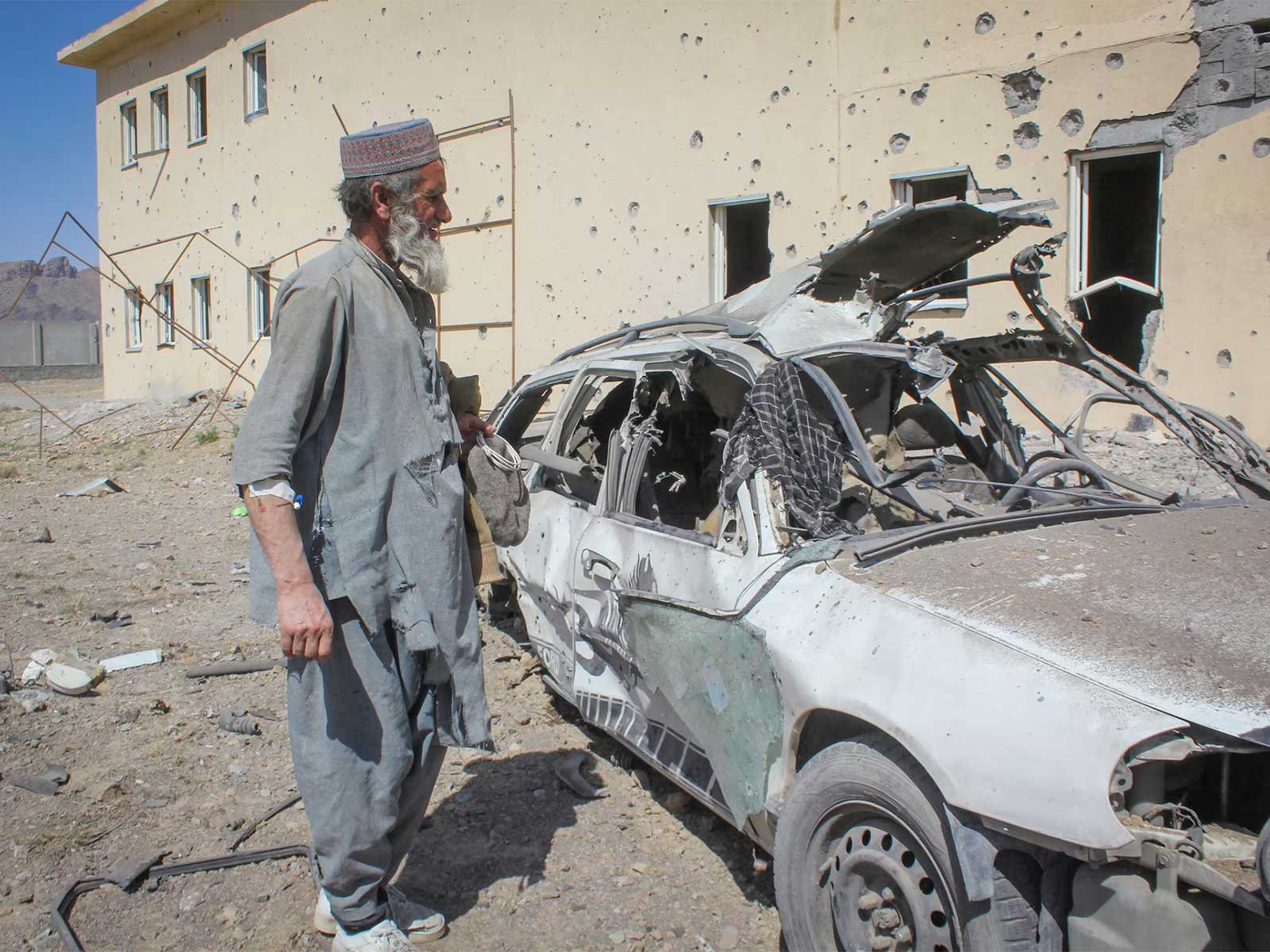
Kabul, July 1: In a major escalation of regional tensions, Afghan Air Force Strikes ISIS Targets Inside Pakistan became the latest development after Afghanistan’s Ministry of Defence confirmed that its air force conducted precision strikes against alleged ISIS positions in Pakistan’s Balochistan and Khyber Pakhtunkhwa provinces. The operation marks one of the strongest cross-border military actions by Afghanistan in recent months and has significantly heightened security concerns across South Asia.
According to Afghanistan’s Ministry of Defence, the Afghan Air Force Strikes ISIS Targets Inside Pakistan operation focused on locations that were allegedly being used by ISIS militants to plan and coordinate attacks against Afghan civilians and security forces. Afghan officials stated that the military action was aimed at eliminating terrorist infrastructure rather than targeting civilians.
Afghan Air Force Strikes ISIS Targets Inside Pakistan in Multiple Locations
Officials said that the Afghan Air Force Strikes ISIS Targets Inside Pakistan operation targeted a joint ISIS facility in the Saranan area of Pishin district in Balochistan. Additional strikes were reportedly carried out in the Shah Salim Valley of Chitral and Kambar Khel in Pakistan’s Khyber Pakhtunkhwa province.
Afghanistan’s Defence Ministry claimed that these locations had become operational hubs for militants involved in planning sabotage missions and cross-border terrorist attacks. Intelligence gathered before the operation reportedly indicated the presence of ISIS members and other armed groups operating from these sites.
The ministry emphasized that the Afghan Air Force Strikes ISIS Targets Inside Pakistan mission was carefully planned to neutralize terrorist elements threatening Afghanistan’s national security.
Afghanistan Claims ISIS Facilities Were Neutralized
Afghan officials stated that the operation successfully targeted facilities allegedly used by ISIS militants. According to reports, one of the main targets was a school building in the Saranan area, which Afghan authorities claimed had been converted into a base for extremist activities.
The Ministry of Defence said several militants were neutralized during the operation, although official casualty figures have not yet been released. Afghan military officials described the strikes as a necessary step to dismantle terrorist infrastructure operating near the Afghanistan-Pakistan border.
The Afghan Air Force Strikes ISIS Targets Inside Pakistan operation demonstrates Afghanistan’s growing willingness to launch cross-border military responses against groups it considers a direct threat to its national security.
Rising Tensions Between Afghanistan and Pakistan
The latest Afghan Air Force Strikes ISIS Targets Inside Pakistan come amid rapidly deteriorating relations between Kabul and Islamabad.
Relations between the two neighboring countries have remained strained following Pakistan’s earlier airstrikes inside Afghan territory. Those operations reportedly resulted in significant civilian casualties and triggered widespread international criticism.
Afghanistan has repeatedly accused Pakistan of violating its sovereignty, while Pakistan has alleged that militants use Afghan territory to launch attacks against Pakistani security forces. The Taliban administration has consistently rejected these allegations, insisting that Pakistan’s internal security challenges are its own responsibility.
United Nations Raised Concerns Over Earlier Airstrikes
The current escalation follows previous Pakistani military operations inside Afghanistan that drew criticism from the international community.
According to the United Nations Assistance Mission in Afghanistan (UNAMA), at least 28 civilians were killed and 49 others injured during earlier Pakistani cross-border airstrikes. UNAMA warned that the casualty figures could increase as investigations continue.
The civilian casualties intensified diplomatic tensions and added further pressure on both countries to avoid a broader military confrontation.
India Condemns Pakistani Airstrikes
India has also voiced strong concern regarding Pakistan’s earlier military operations inside Afghanistan.
The Ministry of External Affairs (MEA) described Pakistan’s previous airstrikes as a “blatant act of aggression” that endangered regional peace and stability. India stated that attacks resulting in civilian casualties, particularly involving women and children, violated Afghanistan’s sovereignty and threatened regional security.
The MEA further criticized Pakistan’s approach, stating that such actions reflected a continued pattern of attempting to externalize its domestic security problems through cross-border military operations.
Although India has not officially commented on the Afghan Air Force Strikes ISIS Targets Inside Pakistan, New Delhi has consistently emphasized respect for sovereignty and the importance of combating terrorism without harming civilians.
Afghanistan Issues Strong Warning
Following the military operation, Afghanistan’s Ministry of Defence issued a firm warning, stating that it would continue targeting any location posing a threat to Afghan security.
Officials declared that Afghanistan reserves the right to defend its citizens against terrorist organizations regardless of where those threats originate. The ministry stated that future operations would be conducted whenever credible intelligence identifies terrorist infrastructure threatening Afghanistan.
The statement has drawn significant international attention as regional observers monitor the possibility of further military exchanges between Afghanistan and Pakistan.
Regional Security Situation Remains Fragile
Security analysts believe the Afghan Air Force Strikes ISIS Targets Inside Pakistan could reshape regional security dynamics if tensions continue to escalate.
Both Afghanistan and Pakistan have experienced increasing attacks from extremist groups operating near the porous border. While both governments publicly oppose terrorism, they continue to exchange accusations regarding militant sanctuaries and cross-border infiltration.
Experts warn that sustained military exchanges between the two countries could further destabilize an already volatile region and complicate ongoing counterterrorism efforts.
International Community Calls for Restraint
The international community continues to urge both Afghanistan and Pakistan to resolve their disputes through diplomatic dialogue rather than military escalation.
Security experts believe intelligence-sharing, border coordination, and counterterrorism cooperation remain essential to preventing further violence.
The Afghan Air Force Strikes ISIS Targets Inside Pakistan highlight the increasingly complex security environment in South Asia, where terrorism, border disputes, and political tensions continue to intersect.
The Afghan Air Force Strikes ISIS Targets Inside Pakistan represent a significant escalation in Afghanistan’s security strategy and reflect Kabul’s determination to confront perceived cross-border threats. While Afghan authorities maintain that the operation exclusively targeted ISIS facilities, the strikes are likely to deepen already strained relations with Pakistan.
With Afghanistan warning that it will “target every threat” to its national security and Pakistan yet to issue a comprehensive response, regional observers are closely watching developments. The coming days will be crucial in determining whether diplomatic efforts can reduce tensions or whether further military actions will increase instability across the Afghanistan-Pakistan border.
About The Author