
JD Vance Says US-Iran Talks Could Mark Historic Turning Point, Stresses Full Denuclearisation Goal
 admin
admin 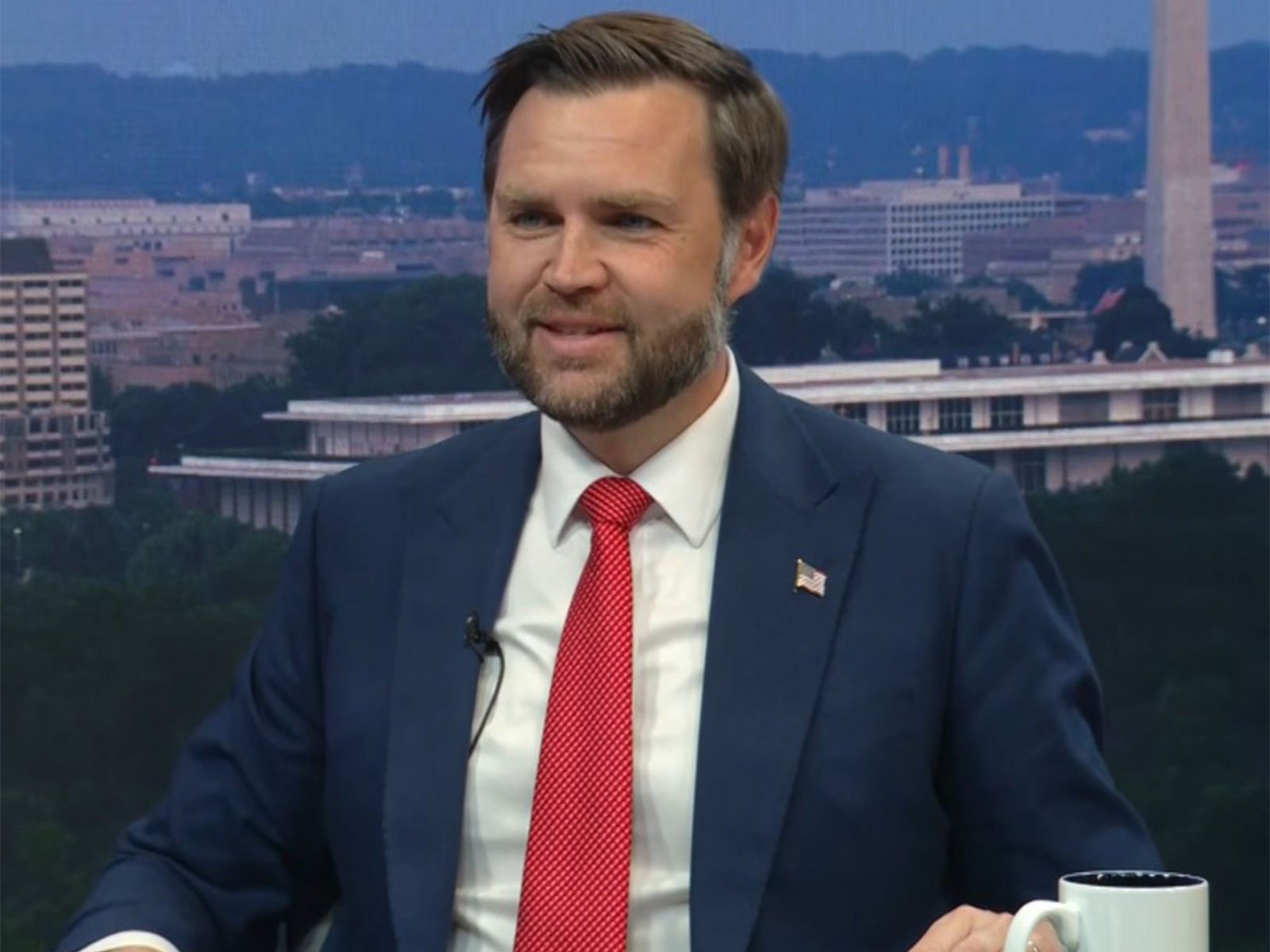
Washington Seeks a New Chapter in US-Iran Relations
US Vice President JD Vance has suggested that ongoing diplomatic developments between the United States and Iran could become one of the most significant moments in recent international relations. Speaking during an appearance on a political podcast, Vance emphasized that the success of the process depends largely on how Tehran responds to the pressure and incentives currently being applied by the administration of President Donald Trump.
The JD Vance Iran Denuclearisation strategy has emerged as a central pillar of Washington’s Middle East policy. According to Vance, the coming weeks and months could determine whether the two nations move toward a more stable future or continue along a path of confrontation.
Vance stated that the current situation carries historic significance and could reshape regional politics if both sides reach a meaningful understanding.
JD Vance Highlights US Leverage Over Iran
A key element of the JD Vance Iran Denuclearisation approach is the belief that the United States currently possesses substantial diplomatic and economic leverage. Vance argued that Washington has multiple tools available to influence Iran’s decisions and ensure that American strategic objectives are protected.
He acknowledged that many observers remain skeptical about Iran’s willingness to comply with international expectations. However, he maintained that the United States is prepared for multiple scenarios and possesses sufficient leverage to respond effectively if negotiations fail to produce the desired outcomes.
The Vice President indicated that Iran’s response to American JD Vance Iran Denuclearisation initiatives will determine whether this moment becomes a genuine diplomatic breakthrough or another missed opportunity in the long and complex relationship between the two countries.
Full Denuclearisation Remains Washington’s Primary Goal
One of the strongest messages from the JD Vance Iran Denuclearisation plan is Washington’s insistence on complete and verifiable nuclear dismantlement.
Vance explained that the United States is not seeking temporary measures or limited restrictions. Instead, American officials want durable commitments backed by robust JD Vance Iran Denuclearisation inspection mechanisms that can verify compliance over the long term.
The administration believes that transparency and international monitoring will be essential for building confidence and preventing future disputes regarding Iran’s nuclear activities.
According to Vance, achieving full denuclearisation remains the JD Vance Iran Denuclearisation cornerstone of any future agreement between the two sides.
Marco Rubio’s Message: “The End of the Beginning”
During his remarks, Vance referenced comments made by US Secretary of State Marco Rubio, who described the current stage of diplomacy as “the end of the beginning.”
The statement reflects the administration’s view that significant challenges still lie ahead. While recent developments may represent progress, officials believe the most difficult negotiations have yet to occur.
The JD Vance Iran Denuclearisation framework therefore emphasizes JD Vance Iran Denuclearisation patience and caution. American leaders are urging analysts and observers not to draw final conclusions before the diplomatic process fully unfolds.
Officials expect additional negotiations, security discussions, and regional consultations before any lasting agreement can be finalized.
Broader Regional Security Framework Under Consideration
The JD Vance Iran Denuclearisation initiative extends beyond bilateral relations between Washington and Tehran. Vance revealed that the administration is evaluating a broader regional arrangement involving multiple Middle Eastern stakeholders.
The United States wants to assess how Iran’s future relationship with neighboring countries could contribute to long-term stability. Regional actors such as Israel, Lebanon, and members of the Gulf Cooperation Council are expected to play important roles in any future framework.
By integrating denuclearisation into a wider security structure, Washington hopes to reduce tensions, strengthen cooperation, and create a more predictable regional environment.
The administration believes that lasting peace requires broader engagement rather than a narrowly focused bilateral deal.
Trump Administration Expresses Confidence
Vance repeatedly expressed confidence in President Trump’s negotiating strategy and broader foreign policy approach.
He argued that the administration is continuously seeking opportunities to secure advantages for the American people while promoting stability abroad. The Vice President suggested that history may eventually view the current moment as a successful turning point if negotiations achieve their intended objectives.
The JD Vance Iran Denuclearisation policy is therefore being presented as both a national security initiative and a diplomatic effort aimed at reducing regional instability.
Officials believe that sustained engagement, combined with economic and political leverage, could create conditions favorable for a breakthrough.
Strait of Hormuz Remains Open
Beyond nuclear issues, Vance also addressed concerns about energy security and maritime trade.
He noted that the strategically important Strait of Hormuz remains open to commercial oil traffic despite regional tensions. According to his assessment, oil shipments through the waterway have remained strong and, on some days, have even exceeded levels recorded before recent conflicts.
The Vice President pointed to falling energy prices as evidence that global markets are responding positively to improving conditions.
This development is significant because disruptions in the Strait of Hormuz can affect energy supplies and economic stability across the world.
Future of US-Iran Diplomacy Remains Uncertain
Despite optimistic signals, Vance acknowledged that major uncertainties remain. The success of the JD Vance Iran Denuclearisation strategy ultimately depends on whether Iran accepts the conditions required by Washington and the international community.
While the administration remains hopeful, officials are preparing for a range of possible outcomes. The coming months are expected to feature intense diplomatic activity, regional consultations, and ongoing discussions about security guarantees and inspection mechanisms.
If successful, the process could represent a major milestone in international diplomacy and significantly alter the geopolitical landscape of the Middle East.
The JD Vance Iran Denuclearisation initiative represents one of the most ambitious foreign policy efforts of the Trump administration. By seeking complete nuclear dismantlement, verifiable inspections, and a broader regional security arrangement, Washington aims to create a more stable and secure Middle East.
Although significant challenges remain, Vance believes the current moment could prove historic. Whether this vision becomes reality will depend on future negotiations, regional cooperation, and Iran’s willingness to engage with the proposed framework. As diplomatic efforts continue, the world will be closely watching what could become a defining chapter in US-Iran relations.
About The Author