
 admin
admin 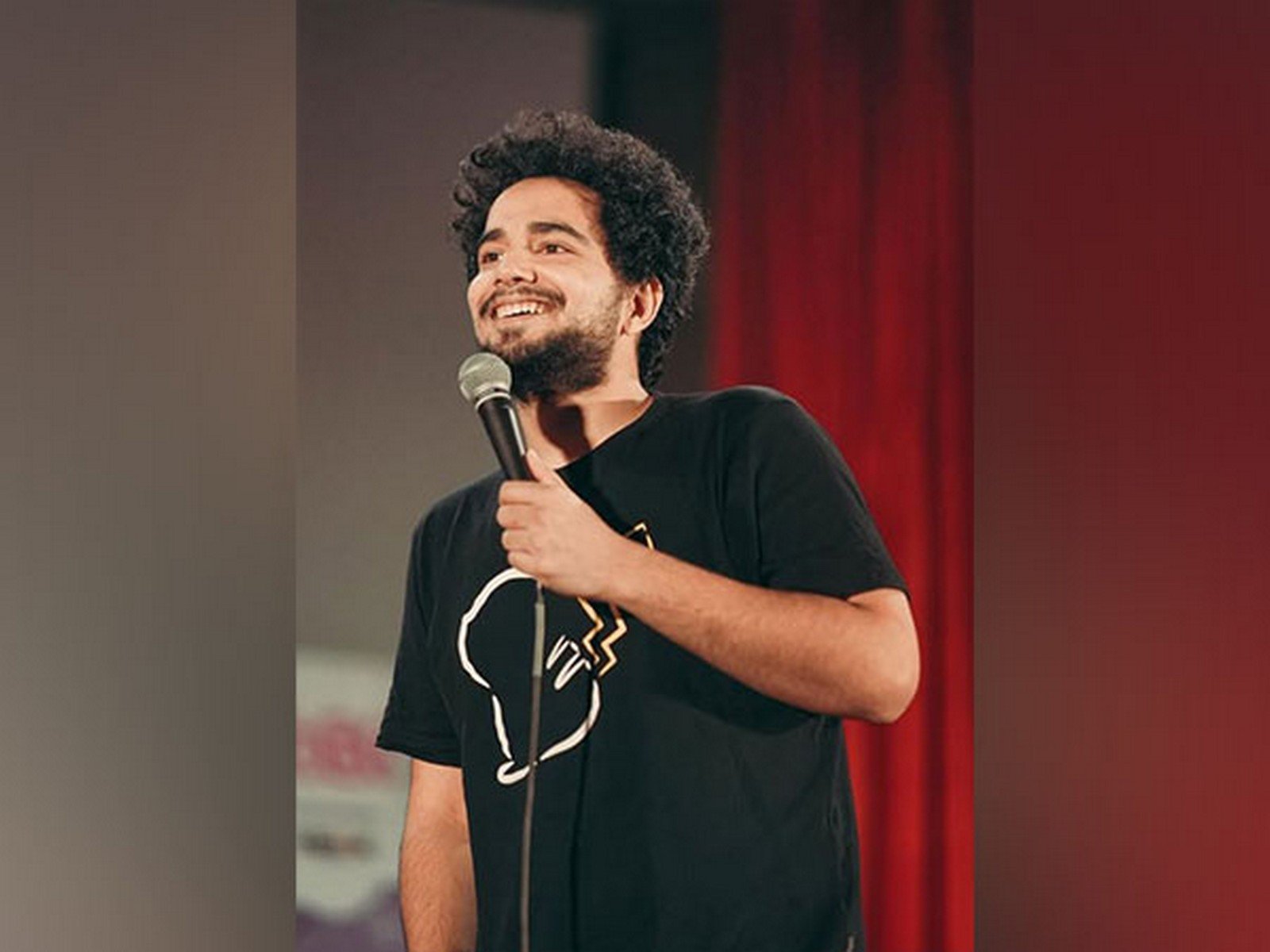
New Delhi, August 14: In a major development, the Supreme Court has quashed all FIRs against comedian Samay Raina and four other individuals in connection with controversial and insensitive remarks concerning persons with disabilities made on the comedy show India’s Got Latent. The decision provides significant legal relief to Samay Raina and the other respondents after they complied with several directions issued by the apex court.
A bench comprising Chief Justice of India Surya Kant and Justices Joymalya Bagchi and V. Mohana took note of the efforts made by Samay Raina and the other respondents to comply with the court’s earlier directions. These included organising awareness initiatives, engaging with persons with disabilities and contributing to programmes intended to support the community.
FIRs Quashed Against Five Respondents
Apart from Samay Raina, the four other individuals whose criminal proceedings have been quashed are Vipul Goyal, Balraj Paramjeet Singh Ghai, Sonali Thakkar, also known as Sonali Aditya Desai, and Nishant Jagdish Tanwar.
The Supreme Court stated that the criminal proceedings against the concerned respondents were being quashed and that other related proceedings would also be set aside. The order came after the bench reviewed the steps taken by Samay Raina and the other respondents following its previous directions.
The court also appreciated the efforts undertaken by the group to engage with persons with disabilities and conduct programmes aimed at creating awareness and raising funds.
What Was the Case Against Samay Raina?
The case originated from remarks made during India’s Got Latent, which attracted criticism over their perceived insensitivity towards persons with disabilities. A petition filed by Cure SMA India Foundation raised concerns regarding remarks associated with the high cost of treatment for Spinal Muscular Atrophy, or SMA, as well as comments concerning persons with disabilities.
The matter subsequently reached the Supreme Court, which had earlier issued directions requiring Samay Raina and others to undertake constructive initiatives as part of the proceedings.
During the latest hearing, the bench considered an affidavit submitted by Samay Raina and the other respondents describing the measures taken in compliance with those directions.
Awareness Initiatives and Fundraising Efforts
According to the affidavit, a chess tournament for specially-abled persons was organised in Pune in March. Four additional shows were also planned for fundraising purposes, although those events could not take place because of logistical difficulties.
The court noted that Samay Raina and the others had expressed their willingness to invite people living with spinal muscular atrophy to such events and provide financial assistance.
The Supreme Court also took note of the fact that around Rs 12.5 crore had been received from the shows and that Samay Raina and the other respondents had expressed their willingness to donate the amount.
The initiatives became an important factor in the court’s decision to grant relief to Samay Raina and the other respondents.
Supreme Court Praises Constructive Dialogue
The bench particularly appreciated the constructive conversation that had taken place between the respondents and the Cure SMA India Foundation. The court noted that Samay Raina and the others had expressed gratitude to the NGO for providing guidance in organising programmes and initiatives.
Senior advocate Aparajita Singh, appearing for Cure SMA India Foundation, told the bench that the previous order had resulted in a genuine effort to engage with the community. She also informed the court that discussions were taking place about highlighting the achievements of persons with disabilities.
The bench observed that genuine efforts could lead to positive results and expressed encouragement over the direction taken by the respondents.
CJI Surya Kant Recalls Interaction With Persons With Disabilities
During the hearing, Chief Justice Surya Kant also referred to his interaction with persons with disabilities on August 13. The CJI said the judges had spent approximately one-and-a-half hours interacting with them and described the experience as satisfying and educational.
The court observed that the interaction had been a learning experience and an eye-opener. The remarks underlined the importance of meaningful engagement and awareness concerning the challenges faced by persons with disabilities.
For Samay Raina, the court’s observations came alongside the decision to quash the criminal proceedings.
Larger Issue Still Pending Before Supreme Court
Although Samay Raina and the other respondents have received relief in the criminal proceedings, the Supreme Court has kept the petition pending on the broader issue of framing appropriate guidelines.
The matter is expected to be listed again for issuing suitable directions. This means that while the proceedings against Samay Raina and the other respondents have been quashed, the wider legal questions raised by the case remain under consideration.
The development is therefore significant beyond the immediate relief granted to Samay Raina. It also highlights the court’s continuing focus on responsible public discourse, disability awareness and the need for sensitivity when discussing vulnerable communities.
Earlier Fine Imposed on Samay Raina and Others
Before the latest order, the Supreme Court had imposed a fine of Rs 3 lakh each on Samay Raina and four others for allegedly violating earlier directions issued by the court.
The apex court had previously criticised Samay Raina for his conduct in relation to the proceedings and had observed that he had not complied with the court’s directions. The fine formed part of the earlier proceedings arising from the controversial remarks made on India’s Got Latent.
However, the subsequent compliance efforts and initiatives undertaken by Samay Raina and the other respondents played a role in the latest relief.
What the Supreme Court’s Decision Means
The decision to quash the FIRs marks an important development in the case involving Samay Raina. It demonstrates that the Supreme Court considered the respondents’ subsequent actions and engagement with the disability community while deciding whether criminal proceedings should continue.
The case has also brought attention to the importance of responsible comedy and public communication, particularly when discussions involve persons with disabilities or medical conditions.
For Samay Raina, the ruling brings closure to the criminal proceedings covered by the latest order, although the broader petition concerning guidelines remains pending before the Supreme Court.
The court’s emphasis on awareness programmes, constructive dialogue and meaningful engagement could also influence how similar issues are approached in the future.
About The Author