
 admin
admin 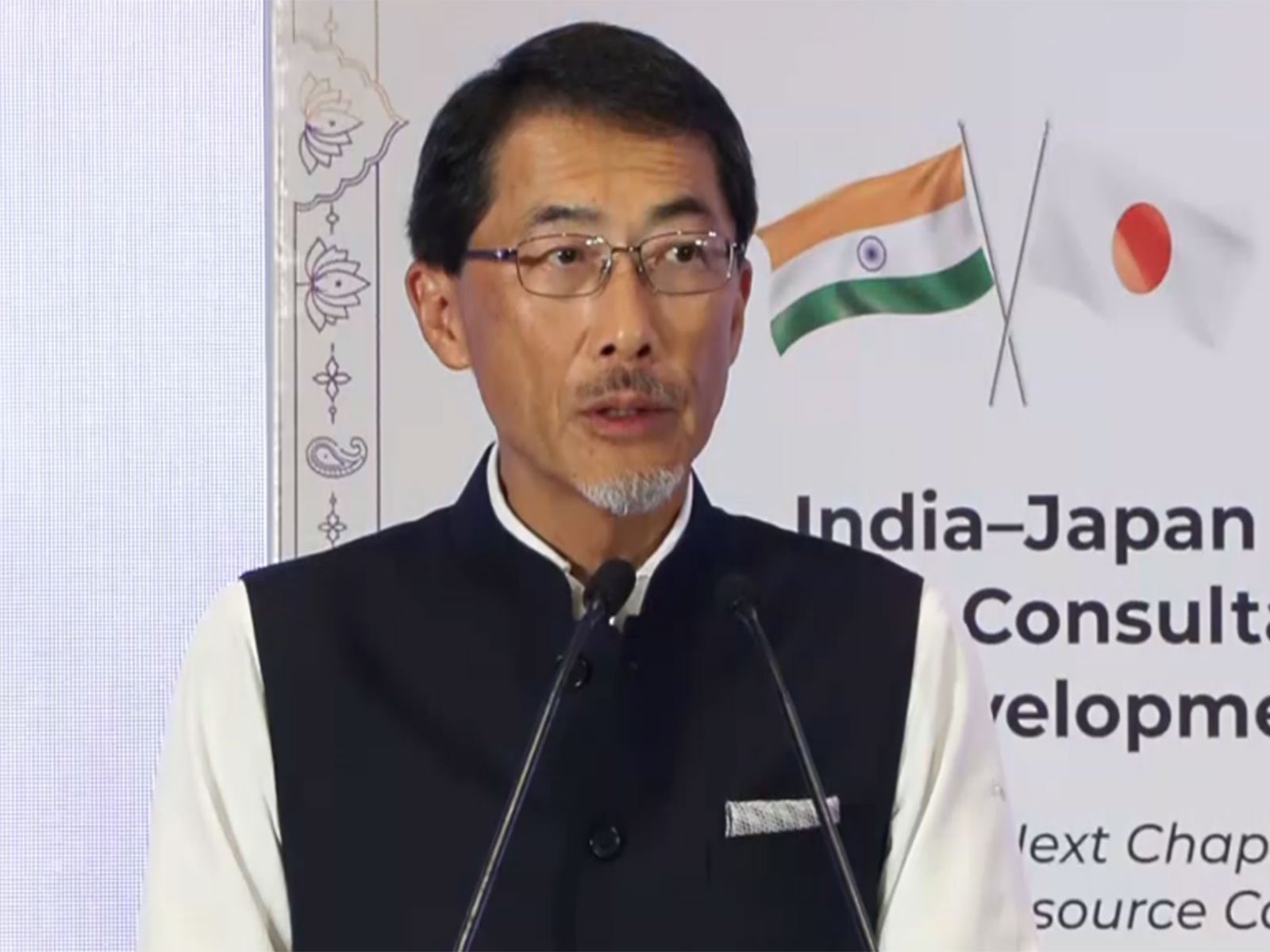
The growing warmth between India and Japan has once again come into focus after Japanese Ambassador to India Keiichi Ono highlighted the importance of friendship, trust and people-to-people exchanges in strengthening India-Japan relations.
Speaking at the India-Japan Stakeholder Consultation on Skill Development: Shaping the Next Chapter of Bilateral Human Resource Cooperation, Ono said closer interaction between the people of the two countries would remain central to what he described as a “new and golden chapter” in bilateral ties.
The Japanese envoy also recalled a warm exchange between Prime Minister Narendra Modi and Japanese Prime Minister Takaichi during her recent visit to India. Modi referred to Takaichi as his “choti behen” (younger sister), while the Japanese Prime Minister reciprocated by referring to the Indian Prime Minister as her elder brother.
According to Ono, the exchange reflected the genuine friendship and mutual trust that increasingly underpin India-Japan relations.
1. India-Japan Relations Built on Trust and Friendship
The relationship between India and Japan extends beyond strategic and economic cooperation. According to Ambassador Keiichi Ono, people-to-people connections form an important foundation for strengthening mutual trust between the two nations.
Ono said there has never been a more important time to emphasise people-to-people exchanges. He noted that closer interaction between Indian and Japanese citizens can contribute to a stronger partnership based on understanding, trust and shared interests.
The ambassador’s remarks underline how India-Japan relations are increasingly being shaped not only by government-to-government engagement but also by connections involving students, skilled workers, professionals, businesses and communities.
Japan and India have already developed extensive cooperation in areas such as skill development, manufacturing, education and human-resource mobility. Japan’s cooperation with India on manufacturing skills has included Japan-India Institutes of Manufacturing and Japanese Endowed Courses, reflecting the importance of workforce development in the bilateral partnership.
2. Modi’s ‘Choti Behen’ Remark Highlights Personal Warmth
One of the most notable moments recalled by Ono was Prime Minister Modi’s reference to Japanese Prime Minister Takaichi as his “choti behen”, or younger sister.
The comment came during the joint press statement following the 16th India-Japan Annual Summit. Takaichi responded warmly by describing the two leaders as brother and sister.
Ono said the exchange was a touching reminder that India-Japan relations are supported by genuine friendship and trust between the people of the two countries.
Personal warmth between national leaders can play an important role in diplomacy. While formal agreements and strategic partnerships remain essential, friendly interactions can help create a positive atmosphere for deeper cooperation.
The exchange between Modi and Takaichi therefore attracted attention not simply because of the words used but because it reflected the increasingly warm tone surrounding the bilateral relationship.
3. Skill Development Emerges as a Key Area
The ambassador was speaking at a consultation focused specifically on skill development and bilateral human-resource cooperation.
Skill development is an important area of India-Japan relations because both countries have an interest in creating opportunities for trained professionals and workers.
India has a large and young workforce, while Japan has significant demand for skilled human resources in several sectors. Cooperation in training, technical education and professional mobility can therefore benefit both countries.
India’s Ministry of Skill Development and Entrepreneurship has previously highlighted cooperation with Japan through programmes involving manufacturing skills and technical interns. Japanese companies have also supported Japan-India Institutes of Manufacturing and Japanese Endowed Courses in Indian institutions.
Such initiatives can create stronger links between educational institutions, industries and workers in both countries.
4. People-to-People Exchanges Can Strengthen Bilateral Ties
Ambassador Ono placed particular emphasis on people-to-people exchanges, describing them as the backbone of trust in the new phase of the bilateral partnership.
These exchanges can take many forms, including education, tourism, cultural programmes, business cooperation, research partnerships and employment opportunities.
Academic cooperation is another important part of this relationship. Japan has supported collaboration between Indian and Japanese universities and research institutions, with initiatives involving research, innovation and knowledge exchange. JICA has also highlighted the role of academic cooperation in strengthening connections between the two countries.
Greater interaction among citizens can help people understand each other’s cultures and societies while creating long-term relationships beyond formal diplomacy.
For India-Japan relations, these connections could become increasingly important as both nations seek to expand cooperation across new areas.
5. A New and Golden Chapter in India-Japan Relations
Ono described the current phase as a “new and golden chapter” in the partnership between India and Japan.
The two countries have developed cooperation across strategic, economic, technological and human-resource sectors. Their partnership has also expanded into areas such as climate cooperation, innovation and infrastructure.
An official Japanese government document has similarly described the partnership as entering a new golden chapter and highlighted cooperation aimed at shared growth, prosperity and resilience.
The latest focus on skill development suggests that human resources will remain an important part of this next phase.
As India continues to develop its manufacturing and technology sectors and Japan seeks skilled talent and deeper economic partnerships, collaboration between the two countries could become increasingly important.
India and Japan Look to Expand Human Resource Cooperation
The India-Japan stakeholder consultation reflects a broader effort to strengthen cooperation through skills and human resources.
For India, partnerships with Japan can provide opportunities for technical training, exposure to Japanese manufacturing practices and international employment. For Japan, collaboration with India’s skilled workforce can help address human-resource requirements while strengthening economic connections.
The success of such cooperation will depend on sustained engagement among governments, industries, educational institutions and workers.
People-to-people connections can provide the foundation required to make these initiatives successful over the long term.
Cultural Understanding at the Heart of the Partnership
Beyond economics and strategic interests, cultural understanding remains an important element of India-Japan relations.
India and Japan have developed strong connections through education, tourism, Buddhism, technology, business and cultural exchanges. Increasing opportunities for citizens to interact can further strengthen these links.
Ambassador Ono’s comments suggest that diplomacy between India and Japan is increasingly being viewed through a broader lens—one that includes ordinary citizens alongside political leaders and institutions.
The warm exchange between Modi and Takaichi serves as a symbolic example of this approach.
What the Future Holds for India-Japan Relations
The next phase of India-Japan relations is likely to focus increasingly on practical cooperation that can deliver benefits to people in both countries.
Skill development, human-resource mobility, education, technology and innovation can create new opportunities for collaboration. At the same time, stronger cultural and people-to-people exchanges can help deepen mutual understanding.
The emphasis on trust and friendship by Ambassador Ono also indicates that the partnership is not limited to strategic calculations. It is increasingly being shaped by personal connections and shared aspirations.
As India and Japan continue to strengthen their Special Strategic and Global Partnership, the focus on people, skills and human-resource cooperation could become an important pillar of their future engagement.
The “choti behen” moment between Modi and Takaichi may have been brief, but it captured the warmth that both sides increasingly associate with their relationship. For India-Japan relations, that spirit of friendship, combined with practical cooperation, could help shape a stronger and more resilient partnership in the years ahead.
About The Author