

 admin
admin 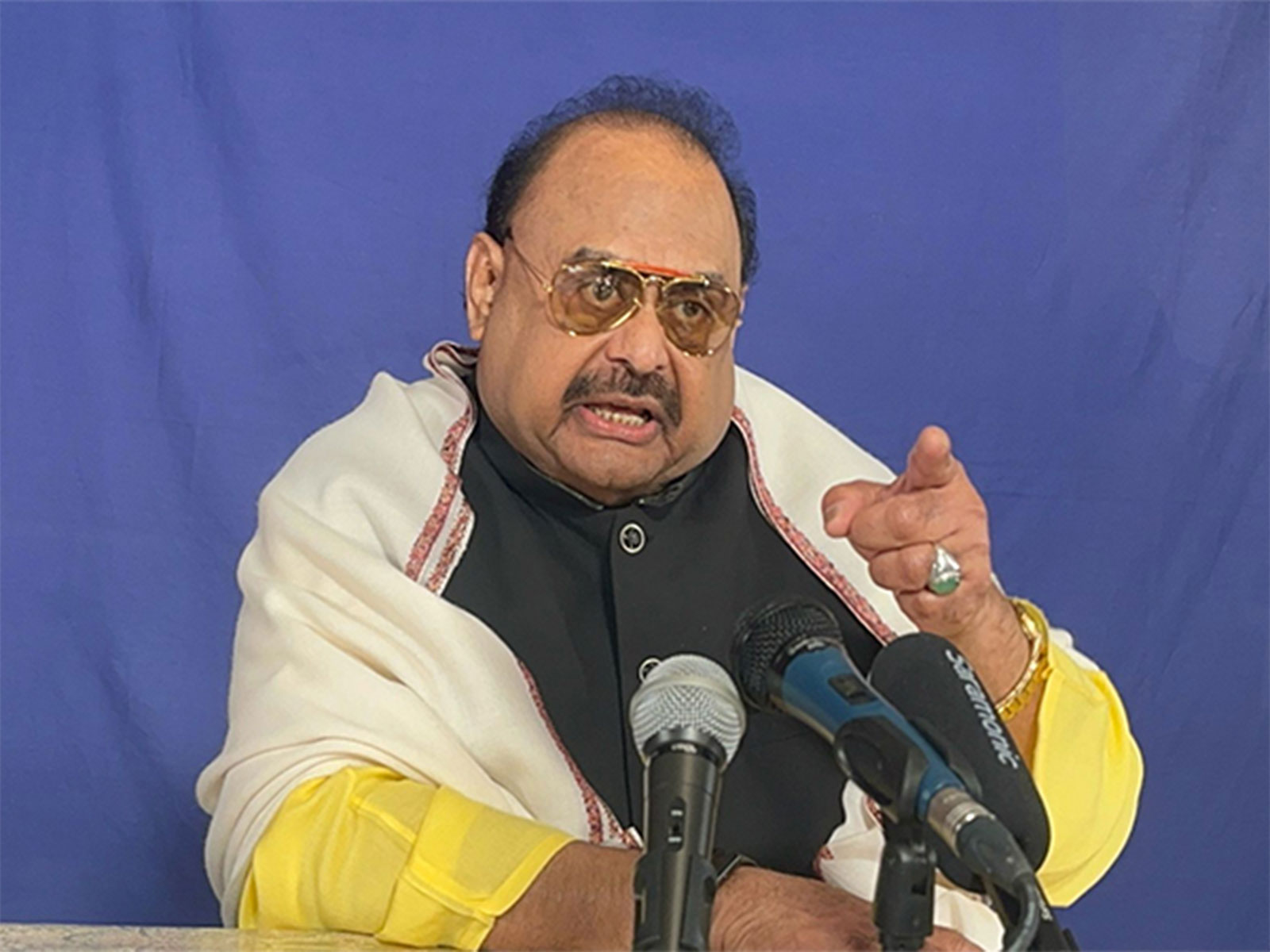
London-Based MQM Founder Raises Concerns Over Regional Stability
Founder of the Muttahida Qaumi Movement, Altaf Hussain, has voiced strong concerns over the recent Pakistan airstrikes on Afghanistan, warning that the military action could deepen tensions between the two neighboring countries and potentially trigger a broader regional conflict.
Speaking through a statement shared on social media, Hussain criticized the reported strikes conducted by Pakistan in several Afghan provinces, including Paktia Province, Paktika Province and Kunar Province. He argued that the Pakistan airstrikes on Afghanistan may provide grounds for retaliatory measures by Afghan authorities and further destabilize an already fragile security environment.
Pakistan Airstrikes on Afghanistan Spark Civilian Casualty Concerns
According to reports cited by Hussain, the Pakistan airstrikes on Afghanistan allegedly resulted in significant civilian casualties. He referred to information attributed to Afghan officials, United Nations representatives and international observers indicating that women and children were among those killed and injured during the operations.
Hussain expressed sorrow over the reported loss of innocent lives and emphasized that civilian populations should never become targets during military engagements. He stated that if the reported figures are accurate, the Pakistan airstrikes on Afghanistan raise serious humanitarian concerns that deserve independent investigation and international attention.
The MQM founder argued that military actions involving civilian areas often create long-term resentment, making diplomatic solutions more difficult to achieve. He stressed that protecting civilians should remain a priority in all security operations.
Warning of Escalating Afghanistan-Pakistan Tensions
The issue of Afghanistan-Pakistan tensions has remained a major concern for regional observers over the past several years. Cross-border attacks, security disputes and accusations regarding militant sanctuaries have repeatedly strained relations between Islamabad and Kabul.
Hussain warned that the recent Pakistan airstrikes on Afghanistan could further worsen diplomatic ties. According to him, any attack perceived as targeting civilians may encourage calls for retaliation and increase the possibility of military escalation between the two nations.
He cautioned that continued deterioration in relations could negatively affect regional stability, border security and economic cooperation. The warning comes at a time when both countries are already facing significant security challenges.
Pakistan Has Right to Defend Itself, Says Altaf Hussain
While criticizing the reported civilian impact of the operation, Hussain acknowledged Pakistan’s right to defend itself against militant threats. He strongly condemned the recent attack on Rangers Headquarters in Karachi and expressed condolences to the families of security personnel who lost their lives.
However, he argued that responses to militant attacks should focus on legitimate security targets rather than civilian settlements. According to Hussain, the Pakistan airstrikes on Afghanistan should have been carefully planned to avoid any possibility of civilian harm.
He maintained that counterterrorism efforts must be conducted within the framework of international law and humanitarian principles to prevent further escalation.
Call for Diplomatic Engagement Instead of Military Escalation
A key element of Hussain’s statement was his emphasis on diplomacy. He suggested that Pakistan should have pursued diplomatic channels before carrying out the reported military action.
According to Hussain, Islamabad could have lodged formal protests with Afghan authorities, engaged international organizations and raised concerns before the United Nations. He argued that diplomatic engagement remains the most effective way to address cross-border security concerns while avoiding civilian casualties.
The Pakistan airstrikes on Afghanistan, he said, risk undermining opportunities for dialogue and cooperation at a time when both countries need greater collaboration to address regional security challenges.
Calls for Action Against Militants Operating Across Borders
Despite his criticism of the military operation, Hussain also urged Afghan authorities to take decisive action against militant groups allegedly operating from Afghan territory.
He stated that preventing cross-border attacks is essential for improving bilateral relations and reducing security concerns. According to Hussain, Afghanistan should ensure that its territory is not used by armed groups to launch attacks against Pakistan.
The ongoing debate surrounding the Pakistan airstrikes on Afghanistan has once again highlighted the broader issue of border security and the challenges both countries face in combating militancy.
Regional Implications of Pakistan Airstrikes on Afghanistan
Security analysts have long warned that any significant military confrontation between Pakistan and Afghanistan could have consequences beyond their shared border. The Pakistan airstrikes on Afghanistan have therefore attracted attention from regional and international observers.
An escalation in hostilities could affect trade routes, refugee movements and regional counterterrorism efforts. It could also increase uncertainty in South Asia, where stability remains critical for economic development and security cooperation.
Hussain argued that policymakers should carefully assess the long-term consequences of military actions and prioritize measures that reduce tensions rather than intensify them.
Growing Calls for Accountability and Transparency
As debate continues over the Pakistan airstrikes on Afghanistan, calls for transparency and accountability are growing. Human rights organizations and international observers have frequently emphasized the importance of independently verifying casualty figures and ensuring compliance with international humanitarian law.
Hussain joined those calls by questioning reports of civilian casualties and urging authorities to clarify the circumstances surrounding the operation. He said accountability is necessary not only for justice but also for preventing future incidents that could damage bilateral relations.
The controversy surrounding the Pakistan airstrikes on Afghanistan has reignited concerns about regional security, civilian protection and diplomatic relations between Islamabad and Kabul. While Pakistan maintains its right to respond to security threats, critics such as Altaf Hussain argue that military actions must avoid civilian harm and should be accompanied by strong diplomatic efforts.
As Afghanistan-Pakistan tensions continue to evolve, regional leaders and international stakeholders are expected to closely monitor developments. The coming weeks may prove crucial in determining whether both nations choose a path of dialogue and cooperation or face further escalation that could threaten broader regional stability.
About The Author