
Ayodhya Court Reserves Order on Police Custody Plea in Ram Temple Donation Case; SIT Finds Prima Facie Evidence of Cash Pilferage
 admin
admin 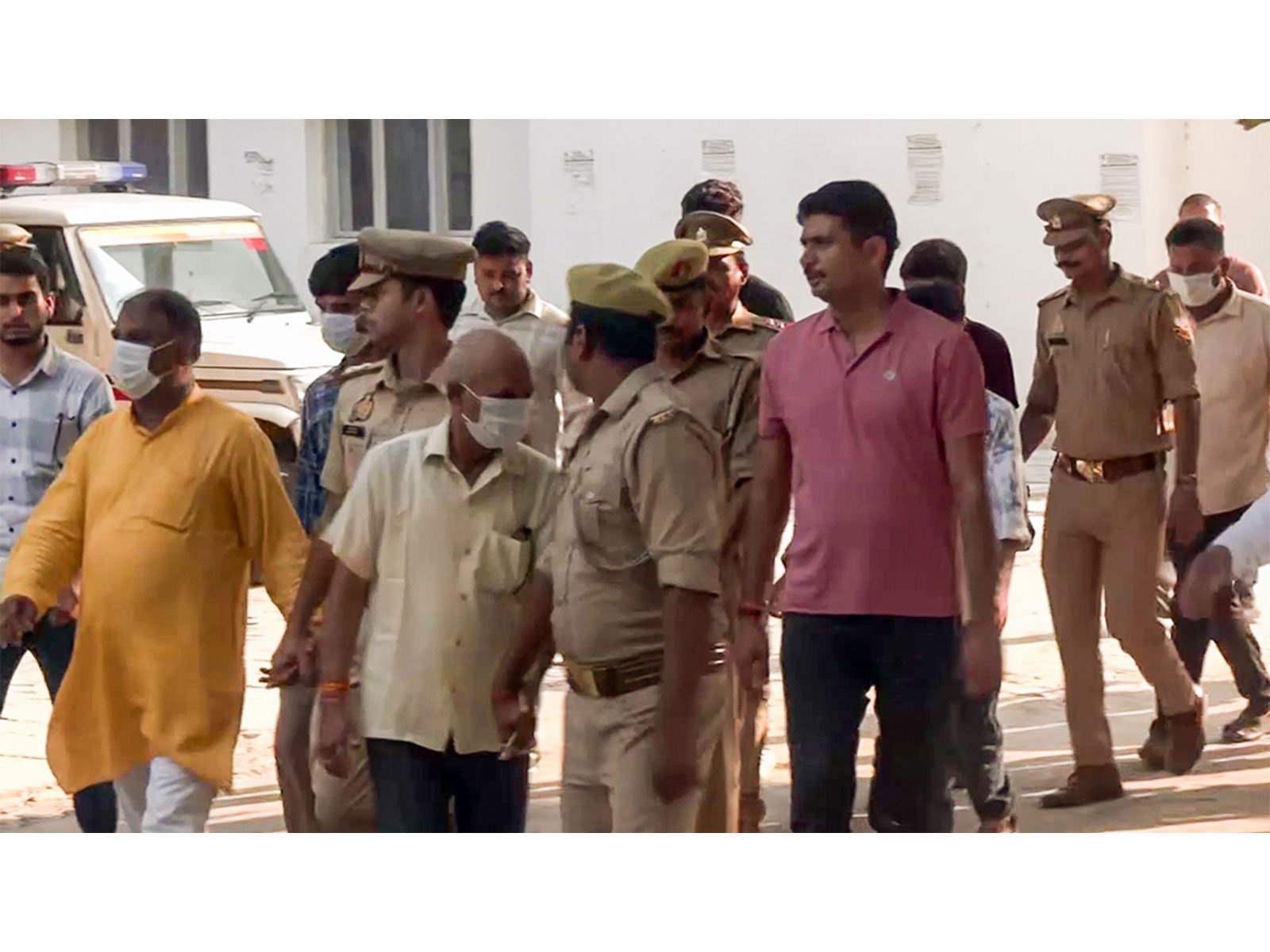
The Ayodhya Ram Temple donation case took another significant turn on Tuesday as an Ayodhya court reserved its order on a police application seeking seven-day custody of three accused allegedly involved in the misappropriation of donations collected at the Shri Ram Janmabhoomi Temple. The development marks an important phase in the ongoing investigation, which has already uncovered preliminary evidence of theft and financial irregularities through a Special Investigation Team (SIT).
The police have requested custody of three jailed accused—Anukalp Mishra, Lavkush Mishra, and Karunesh Pandey—to further investigate the Ayodhya Ram Temple donation case. Investigators believe custodial interrogation is essential to identify the complete network involved in the alleged embezzlement and to recover any missing evidence related to the donations.
Ayodhya Court Reserves Decision on Police Custody
During the hearing, the Investigating Officer (IO) informed the court that the accused needed to be questioned in police custody to move the investigation forward effectively. According to the prosecution, significant information emerged during an earlier interrogation of five accused inside the jail on Sunday.
Based on the findings from that questioning, the police submitted an application requesting seven-day custody of three of the accused. After hearing arguments from both sides, the Ayodhya court reserved its order on the custody plea. The decision is expected to influence the next phase of the Ayodhya Ram Temple donation case investigation.
Police officials stated that custodial questioning could help them uncover additional financial records, identify other possible suspects, and determine whether the alleged thefts occurred over a longer period than currently documented.
SIT Preliminary Report Reveals Serious Irregularities
The investigation gained momentum after the Special Investigation Team (SIT) submitted its preliminary report to the Uttar Pradesh government. According to the report, investigators found prima facie evidence suggesting repeated theft and pilferage during the counting of donations received at the Shri Ram Janmabhoomi Temple.
The SIT examined several pieces of evidence, including:
- CCTV footage
- Statements of temple trust officials
- Bank records
- Financial transaction documents
- Security personnel statements
- Counting staff testimonies
- Recovery documents
- Memorandum of Understanding (MoU)
- Standard Operating Procedures (SOPs)
The findings indicate multiple lapses in both security and operational monitoring, raising serious concerns over the management of temple donations.
CCTV Footage Shows Alleged Theft of Donations
One of the strongest pieces of evidence in the Ayodhya Ram Temple donation case is the CCTV footage reviewed by investigators. The footage, available between April 27 and June 5, allegedly shows several counting personnel hiding bundles of currency notes inside their clothes, pockets, shoes, and other concealed locations.
According to the SIT report, the footage repeatedly captured employees removing cash while counting donations. In some instances, other staff members allegedly appeared to assist or shield those involved.
Investigators documented nearly 70 separate incidents of suspected theft or pilferage during the review period. These repeated occurrences suggest that the alleged misappropriation was not an isolated event but may have been carried out systematically over several weeks.
Earlier Thefts Cannot Be Ruled Out
The SIT Ayodhya Ram Temple donation case report also notes that similar incidents may have occurred before April 27. However, investigators were unable to verify earlier allegations because CCTV footage from previous periods was unavailable.
Statements from employees and discrepancies found between counted donations and deposited bank amounts further strengthened suspicions that the alleged financial irregularities could have been taking place for a longer duration.
Investigators emphasized that the absence of older surveillance footage limited their ability to determine the full extent of the alleged losses.
Security Protocols Were Allegedly Ignored
Another significant finding in the Ayodhya Ram Temple donation case concerns the failure to implement mandatory security measures prescribed under the temple trust’s Standard Operating Procedures.
The SIT observed that several safeguards designed to protect donation collections were either ignored or poorly enforced. These included:
- Biometric attendance systems
- Mandatory frisking of employees
- Restrictions on carrying personal belongings
- Continuous CCTV monitoring
- Security verification procedures
- Controlled access to counting areas
According to investigators, these lapses created opportunities for repeated theft during the donation counting process.
The report indicates that stricter implementation of these protocols could have prevented many of the alleged incidents.
Six Individuals Named in Preliminary Investigation
Based on Ayodhya Ram Temple donation case CCTV evidence, witness statements, recovery records, and financial documents, the SIT identified six individuals as having prima facie involvement in the alleged embezzlement.
Those named include:
- Avinash Shukla
- Anukalp Mishra
- Lavkush Mishra
- Manish Kumar Yadav
- Karunesh Pandey
- Ramashankar Mishra
According to the Ayodhya Ram Temple donation case report, Avinash Shukla and Manish Kumar Yadav were repeatedly seen removing or concealing cash during the counting process.
The remaining accused were allegedly involved in assisting, facilitating, or participating in similar activities.
Police are now attempting to establish individual responsibilities and determine whether additional persons were involved in the alleged operation.
Police Seek Custodial Interrogation
Investigators believe custodial interrogation will help answer several important questions in the Ayodhya Ram Temple donation case.
These include:
- Whether additional accused are involved.
- The total amount of money allegedly stolen.
- How the cash was distributed after theft.
- Whether the alleged acts were planned in advance.
- If any evidence remains to be recovered.
Officials argue that questioning the accused in jail has produced valuable leads, but police custody is necessary to verify those findings through detailed interrogation.
The Ayodhya Ram Temple donation case prosecution maintains that custodial questioning is crucial for uncovering the complete conspiracy, if any exists.
Trust Accepts Resignations of Senior Officials
Amid the ongoing controversy, the Shri Ram Janmabhoomi Teerth Kshetra Trust has also witnessed significant administrative changes.
Trust Treasurer Swami Govind Dev Giri Ji Maharaj announced that the resignations of General Secretary Champat Rai and trustee Anil Mishra had been accepted during a Trust meeting.
While the resignations were confirmed, the Trust has not publicly linked them to the ongoing investigation into the alleged donation embezzlement.
The developments have nevertheless attracted widespread public attention because of the significance of the temple and the sensitivity surrounding donation management.
Investigation Continues
The Ayodhya Ram Temple donation case remains under active investigation, with authorities continuing to examine financial records, electronic evidence, witness statements, and recovered materials.
The Ayodhya court’s forthcoming decision on the police custody application is expected to play a key role in determining the next course of the investigation.
Officials have reiterated that the inquiry is based on documentary evidence and CCTV recordings and that all accused will receive due legal process before any final conclusions are reached.
As investigators continue collecting evidence, the case has highlighted the importance of robust financial oversight, transparent donation management, and strict implementation of security procedures at major religious institutions.
With the SIT report pointing to repeated instances of alleged cash pilferage and police seeking custodial interrogation of key accused, the Ayodhya Ram Temple donation case is likely to remain under close legal and public scrutiny in the coming weeks.
About The Author