

 admin
admin 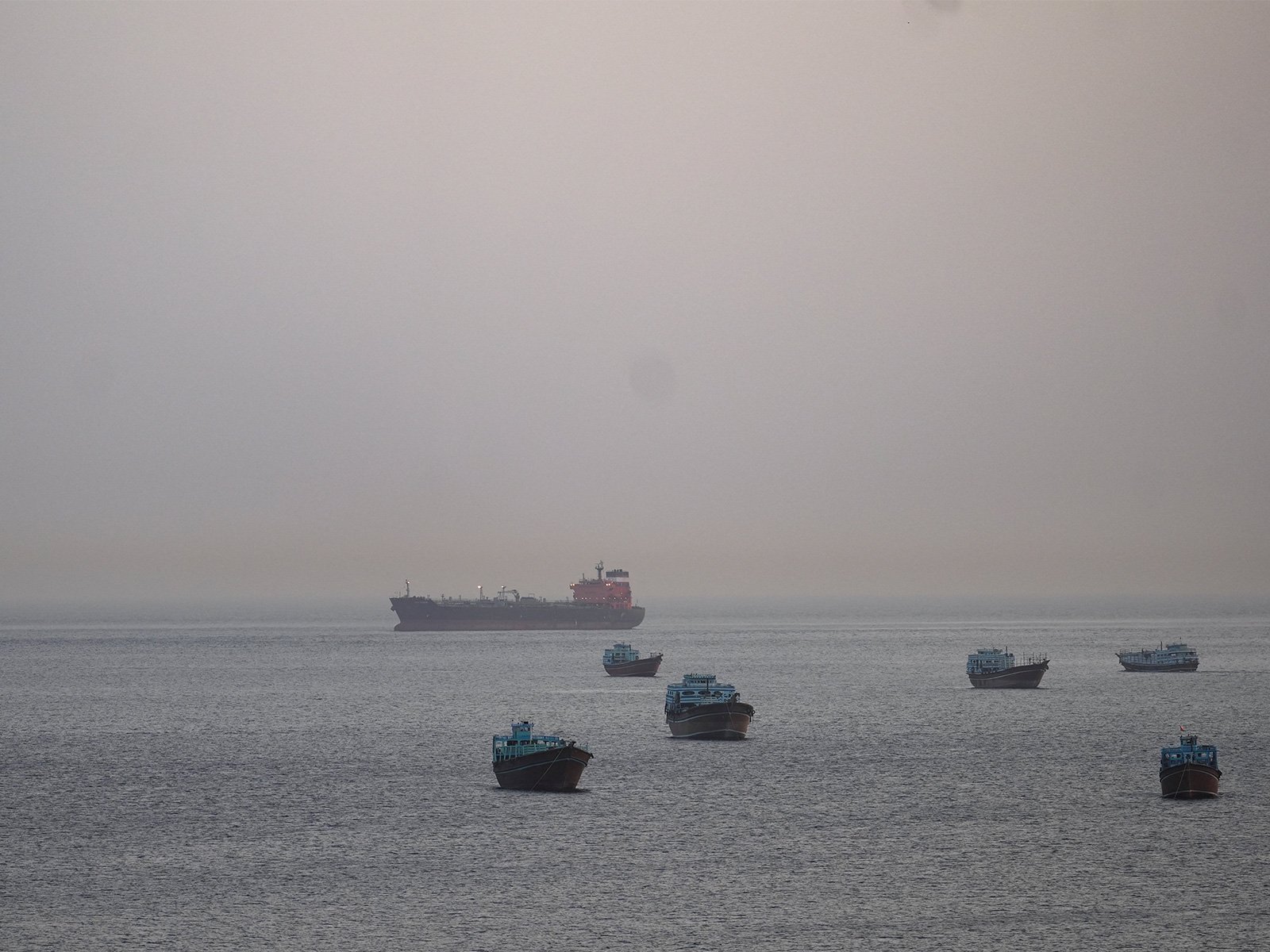
Tehran Claims Vessel Ignored Warnings Amid Rising Maritime Tensions
The Iran Strait of Hormuz strikes have once again raised concerns over the security of one of the world’s most important maritime trade routes. According to reports from Iranian state media and international monitoring agencies, commercial vessels navigating near the Strait of Hormuz were struck by projectiles, marking a significant escalation in regional tensions.
Iran’s state broadcaster IRIB reported that the Qatari oil tanker Al-Raqayat was targeted after allegedly attempting to travel through an Omani maritime route while receiving support from the United States Navy. Iranian officials claimed the vessel ignored repeated warnings issued by Tehran regarding navigation protocols in the region.
The latest Iran Strait of Hormuz strikes come at a time when diplomatic efforts between Washington and Tehran have shown little progress, increasing fears of further instability in Gulf waters.
Commercial Vessel Reportedly Hit Near Oman
The United Kingdom Maritime Trade Operations (UKMTO) confirmed receiving reports from a tanker traveling south along the Omani coastline near the Strait of Hormuz. According to the report, the vessel was struck by an unidentified projectile, resulting in a fire onboard.
Maritime authorities immediately began monitoring the situation, while regional shipping operators were advised to exercise heightened caution when passing through the strategic waterway.
The incident has intensified international concern regarding the safety of commercial shipping routes. The Strait of Hormuz handles a substantial portion of global oil and gas exports, making any disruption a matter of worldwide economic significance.
As news of the Iran Strait of Hormuz strikes spread, shipping companies and energy markets closely monitored developments for potential impacts on trade and fuel supplies.
US Officials Report Missile Attacks on Two Ships
According to reports citing US officials, Iran’s military launched at least two missiles targeting commercial vessels transiting the Strait of Hormuz.
One ship was reportedly struck near the Omani coast, while another vessel also sustained damage during the attacks. Officials indicated that both ships suffered significant structural damage, although no casualties were reported.
The reported attacks have further heightened tensions between Iran and the United States. Analysts note that the Iran Strait of Hormuz strikes represent one of the most serious maritime incidents in recent months and could lead to renewed military responses from Washington.
The United States has not yet officially confirmed its next course of action, but reports suggest military options remain under consideration.
Strategic Importance of the Strait of Hormuz
The Strait of Hormuz remains one of the world’s most strategically important waterways. Located between Iran and Oman, it serves as a critical passage for global energy exports.
Millions of barrels of crude oil pass through the narrow channel every day, linking major Gulf producers with international markets. Any disruption to shipping activity can affect energy prices, supply chains, and broader economic stability.
Because of its importance, the Strait has long been a focal point of geopolitical competition. The renewed Iran Strait of Hormuz strikes have once again highlighted the vulnerability of global trade routes to regional conflicts.
Industry experts warn that prolonged instability could increase insurance costs, delay shipments, and create uncertainty in energy markets worldwide.
Dispute Over Maritime Control
Iran has consistently argued that it holds primary responsibility for managing shipping traffic within the Strait of Hormuz. Tehran recently reiterated its position that conditions in the waterway would not return to pre-conflict arrangements following earlier US military actions against Iranian targets.
Iranian officials maintain that all vessels transiting the Strait should follow routes announced by Tehran. According to state media reports, authorities have warned that vessels failing to comply with designated routes may face security risks.
The renewed Iran Strait of Hormuz strikes are being viewed by analysts as part of a broader dispute over maritime authority and navigation rights in the Gulf region.
Western governments, however, continue to support international freedom of navigation principles and oppose restrictions imposed by any single country.
Expired US-Iran Agreement Adds to Tensions
Reports indicate that the latest incidents occurred shortly after the expiration of a temporary one-week arrangement between the United States and Iran aimed at reducing hostilities in the Strait of Hormuz.
The agreement reportedly helped prevent direct confrontations during its duration. However, with the arrangement no longer in effect, tensions appear to have resurfaced rapidly.
The collapse of indirect negotiations held in Doha, Qatar, further complicated efforts to establish long-term maritime security mechanisms. Diplomats familiar with the talks indicated that little progress was achieved regarding navigation rights and regional security guarantees.
As a result, the Iran Strait of Hormuz strikes have become a major flashpoint in ongoing US-Iran relations.
Global Markets Watching Closely
Energy traders, shipping companies, and international governments are closely monitoring developments following the latest attacks.
Any sustained disruption in the Strait of Hormuz could lead to fluctuations in oil prices and increased shipping costs. Market analysts have already warned that prolonged instability may create uncertainty for global supply chains.
The Iran Strait of Hormuz strikes also raise concerns about the potential for wider military escalation involving regional and international powers.
Several countries have urged restraint and called for renewed diplomatic engagement to prevent further deterioration of security conditions in the Gulf.
Outlook Remains Uncertain
The future of maritime security in the Strait of Hormuz remains uncertain as tensions between Iran and the United States continue to evolve.
While no casualties have been reported from the latest incidents, the damage to commercial vessels underscores the risks facing international shipping operators in the region. Diplomatic efforts are expected to continue, though prospects for a quick resolution appear limited.
The renewed Iran Strait of Hormuz strikes serve as a reminder of the strategic importance of the Gulf’s shipping lanes and the far-reaching consequences of regional conflict. As governments assess their responses and shipping companies review security measures, the international community will be watching closely for signs of either escalation or renewed dialogue.
Iran Strait of Hormuz Strikes: Commercial Ships Hit Amid Rising Tensions
Iran has resumed strikes in the Strait of Hormuz, with commercial vessels reportedly targeted near the Omani coast. Iranian state media claimed a Qatari oil tanker was hit after allegedly ignoring warnings over its route. US officials also reported that multiple commercial ships were struck by Iranian missiles, causing significant damage but no casualties. The incidents followed the expiry of a temporary US-Iran agreement aimed at reducing tensions in the strategic waterway. The latest Iran Strait of Hormuz strikes have increased concerns over maritime security, global shipping, and energy supply stability.
About The Author