
 admin
admin 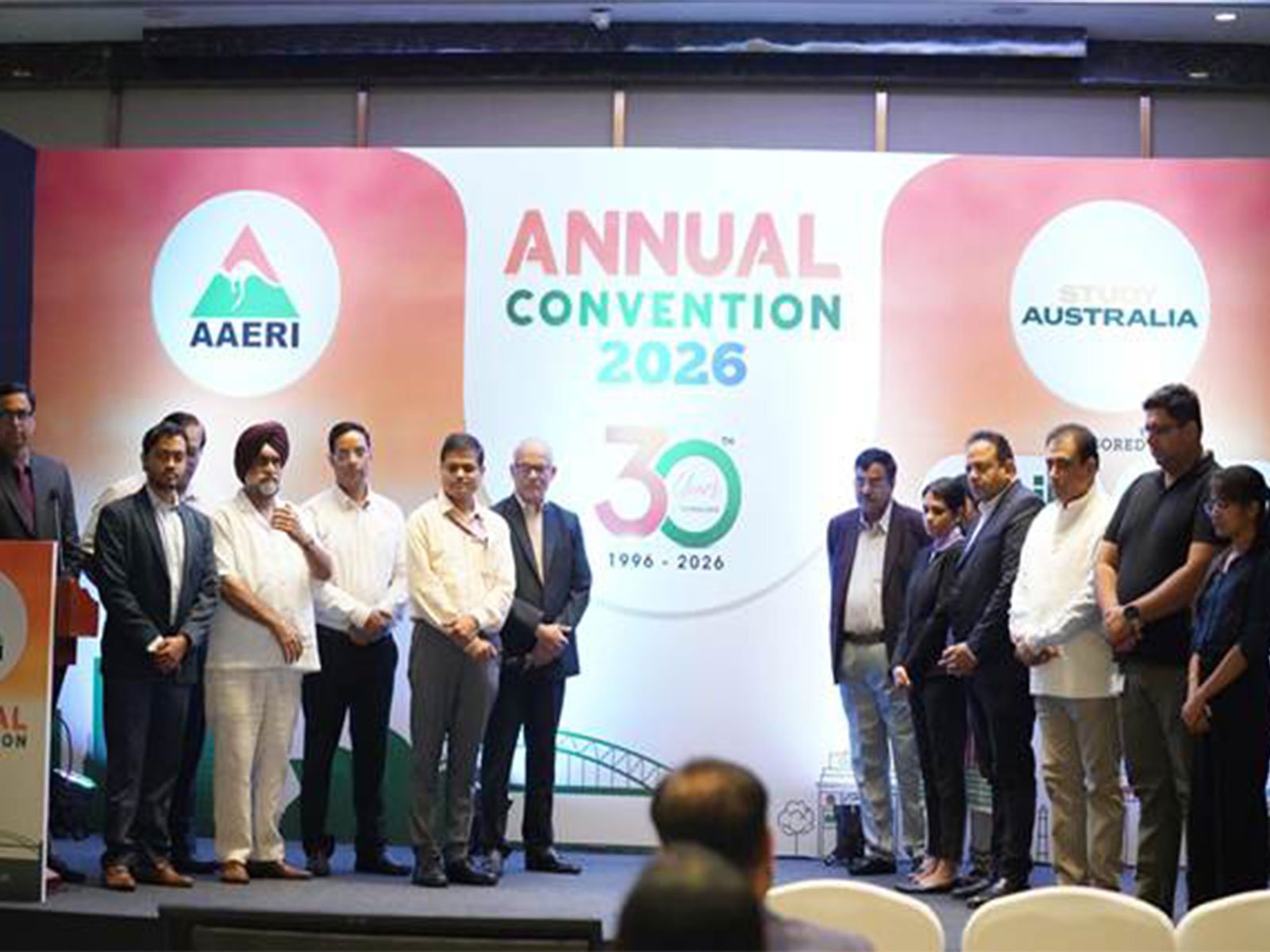
New Delhi [India], August 8: In a major development for Indian students planning to study abroad, the National e-Governance Division (NeGD) under the Ministry of Electronics and Information Technology (MeitY) has partnered with the Association of Australian Education Representatives in India (AAERI) to launch AAERI Verify.
Integrated with DigiLocker, AAERI Verify is designed to make the verification of academic, identity and financial documents more secure, paperless and convenient for students applying to Australian universities. The platform was unveiled during the AAERI Annual Convention in New Delhi on August 7.
The initiative is expected to simplify an important part of the international admission process by allowing students to share issuer-verified digital records instead of depending heavily on physical documents and manual verification.
What Is AAERI Verify?
AAERI Verify is a source-verified authentication platform developed by AAERI in collaboration with NeGD. Its integration with DigiLocker allows students to securely share authentic digital documents issued by authorised institutions.
The platform is aimed at Australian higher education institutions that need to verify student credentials during the admission process.
Rather than relying primarily on photocopies, scanned documents and lengthy manual checks, AAERI Verify creates a digital verification workflow. Students can provide documents through DigiLocker with their explicit consent, allowing universities to access digitally signed records from original issuing authorities.
This approach could make the international education application process faster while also improving confidence in the authenticity of submitted documents.
How AAERI Verify Will Help Indian Students
For students planning to pursue higher education in Australia, document verification is an important stage of the admission process. Academic certificates, identity documents and financial information may need to be checked before an application can move forward.
AAERI Verify aims to simplify these checks through a digital and consent-based system.
The platform is built around two major verification stages:
1. Student Check
The first stage involves verification of the student’s credentials before the university application process begins.
Through the integration with DigiLocker, students can share verified academic and identity records from trusted issuing authorities. This can reduce the need for students to repeatedly submit physical copies of documents.
2. Sponsor Check
The second stage takes place after a student receives an admission offer. It focuses on verifying the authenticity of financial information provided by the student’s sponsor.
This two-stage approach is intended to create a structured verification process for Australian higher education institutions.
DigiLocker Makes Document Sharing Easier
DigiLocker is a key component of India’s Digital Public Infrastructure. It provides citizens with a secure platform to store, access, share and verify digital documents issued by authorised organisations.
MeitY’s 2026-27 Citizen’s Charter describes DigiLocker as a secure cloud-based platform for the storage, sharing and verification of documents and certificates.
The AAERI Verify integration extends this capability into the international education sector.
With student consent, Australian universities can receive access to digitally signed records from the original issuing authorities. This can help reduce the risk of document fraud and make the verification process more efficient.
DigiLocker also operates on a consent-based model. Its terms state that users must explicitly consent before documents are fetched or shared from their accounts.
Faster and More Secure Verification
One of the biggest advantages of AAERI Verify is its potential to reduce the time required for document verification.
Traditional verification can involve multiple steps, including submitting physical copies, obtaining certifications, contacting issuing institutions and waiting for confirmation.
A digital workflow can reduce these manual processes.
For students, this could mean fewer documents to print, fewer physical submissions and less administrative work. For universities, access to source-verified records can make credential checks more efficient.
The initiative is also intended to strengthen trust by connecting verification directly with authorised sources rather than relying only on documents supplied independently by applicants.
Better Protection Against Fake Documents
Document authenticity is a significant concern in international education. Universities need to ensure that academic and financial documents submitted by applicants are genuine.
The AAERI Verify system is designed to address this challenge through source verification.
Because documents can be shared from DigiLocker and linked to their original issuing authorities, universities can have greater confidence in the authenticity of records.
The Ministry said the new workflow is intended to reduce fraud risks, protect data privacy and cut application processing times.
India’s Digital Public Infrastructure Goes Global
NeGD Director JL Gupta highlighted the broader importance of the partnership, saying the collaboration demonstrates how India’s Digital Public Infrastructure can address real-world challenges beyond the country’s domestic digital ecosystem.
NeGD was established under MeitY in 2009 and supports technology-driven governance initiatives and project management across government.
Its platforms support workflows involving several public institutions, including the Union Public Service Commission, Ministry of External Affairs and NITI Aayog.
The partnership with AAERI represents another example of Indian digital infrastructure being connected with an international service ecosystem.
Why the Partnership Matters for Australia
Australian universities receive applications from students around the world, including a significant number of applicants from India.
A streamlined verification mechanism can benefit both students and education providers.
For universities, digitally verified records can potentially simplify credential assessment. For students, the system can reduce paperwork and make the application journey more transparent.
The AAERI Verify platform therefore has the potential to create a more efficient connection between Indian students, authorised document issuers and Australian higher education institutions.
A Positive Step for Students Planning to Study Abroad
The launch of AAERI Verify comes as international education continues to become increasingly digital.
Students applying overseas often have to manage multiple documents, deadlines and verification requirements. Moving more of this process into a secure digital environment can make applications easier to manage.
The combination of AAERI’s education-sector network, NeGD’s digital infrastructure and DigiLocker’s document-verification capabilities provides the foundation for a more streamlined process.
For Indian students considering Australian universities, the initiative could eventually mean a simpler and more convenient document verification experience.
Key Benefits of AAERI Verify
The major benefits of AAERI Verify include:
- Paperless verification of important student documents.
- Source-verified credentials from authorised issuing institutions.
- Consent-based document sharing through DigiLocker.
- Academic and identity verification during the student-check stage.
- Financial verification through the sponsor-check stage.
- Reduced dependence on physical documents.
- Lower risk of fraudulent documentation.
- Potentially faster application processing.
- Greater convenience for students and universities.
About The Author