

 admin
admin 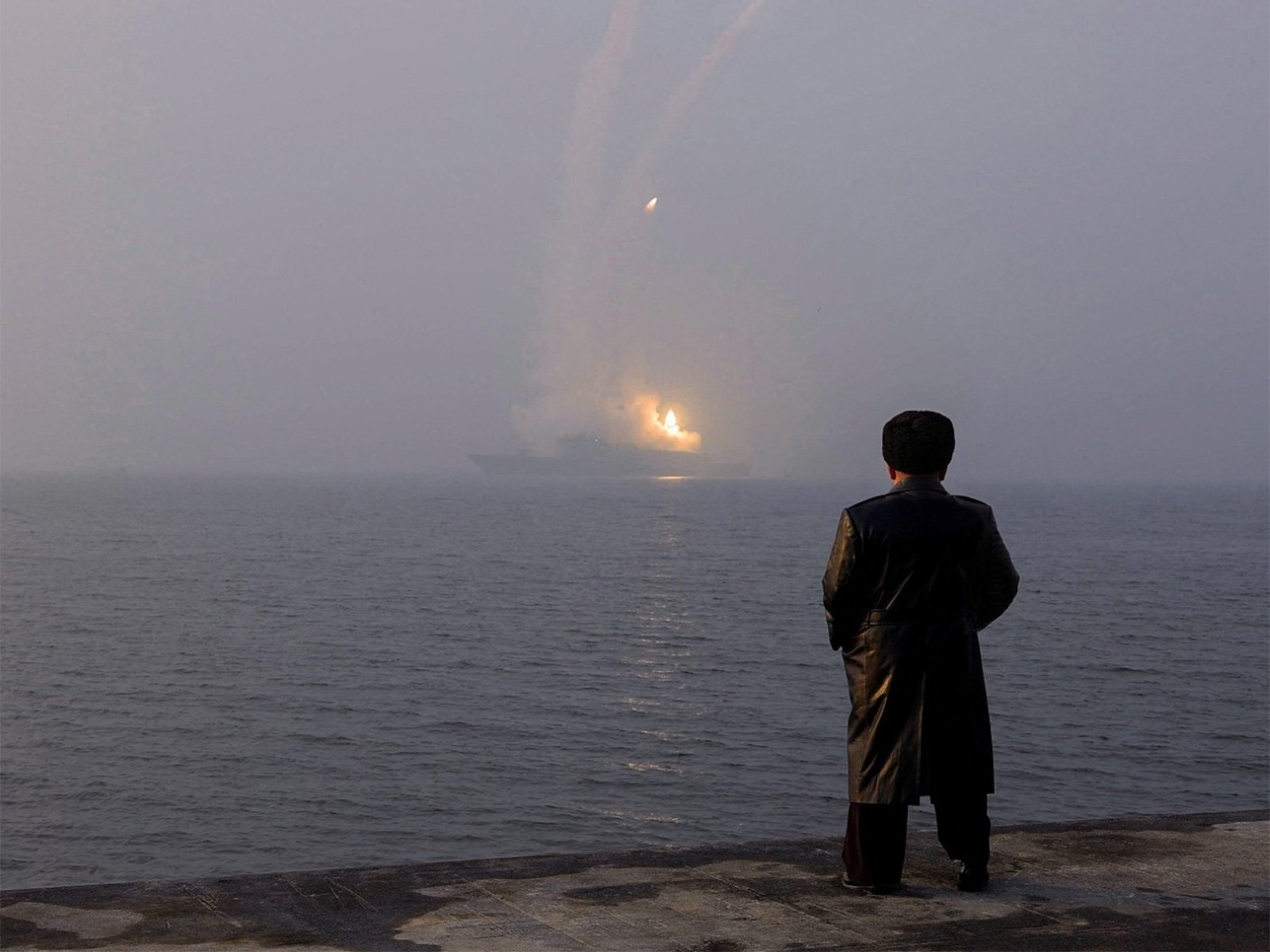
The North Korea missile launch on Wednesday has increased regional security concerns as Pyongyang conducted a suspected ballistic missile test, marking its second such launch in less than a week. The development comes ahead of the upcoming joint military exercise between the United States and South Korea.
According to South Korean military officials, North Korea launched a ballistic missile toward the East Sea. The United States confirmed a missile launch but stated that it did not pose an immediate threat to US territory or its allies.
The latest North Korea missile launch has drawn reactions from South Korea, Japan, and the United States, with officials closely monitoring developments.
5 Shocking Updates on North Korea Missile Launch
1. Missile Fired From Wonsan Area Toward East Sea
South Korea’s Joint Chiefs of Staff (JCS) reported that the missile was launched from the Wonsan area on North Korea’s east coast at around 6 a.m. local time.
The missile travelled more than 700 kilometres, while South Korean and American authorities continue analysing its exact specifications.
Officials have not yet confirmed the missile type or detailed range, but the distance suggests it may have been a short-range missile.
2. Launch Comes Before US-South Korea Military Exercise
The North Korea missile launch took place ahead of the scheduled Ulchi Freedom Shield military exercise between the United States and South Korea.
The 10-day joint military drill is planned from August 17 to August 27.
North Korea has repeatedly criticised such exercises, describing them as military provocations and preparations for conflict.
Regional Security Concerns Rise After Missile Test
The latest North Korea missile launch has increased tensions in East Asia, with neighbouring countries closely watching Pyongyang’s military activities.
Japan described the development as a suspected ballistic missile launch and instructed officials to take all possible precautionary measures.
Japan’s Prime Minister’s Office issued directions following the launch and continued monitoring the situation.
3. US and Allies Monitor Missile Activity
The US Pacific Command issued a statement after the launch, referring to it as a missile launch.
The command reaffirmed its commitment to protecting the United States and its regional allies.
Officials stated that the launch did not pose an immediate threat but continued assessment was underway.
The United States, South Korea, and Japan remain in close communication regarding North Korea’s military activities.
4. South Korea Holds Emergency Security Meeting
Following the North Korea missile launch, South Korea’s National Security Office (NSO) convened an emergency meeting with defence and military officials.
The meeting focused on analysing the missile launch and assessing possible security implications.
South Korean officials expressed concern over continued missile tests by Pyongyang and urged North Korea to stop actions that violate United Nations Security Council resolutions.
North Korea’s History of Missile Tests During Military Drills
North Korea has frequently conducted weapons tests around the time of major military exercises involving the United States and South Korea.
Pyongyang has consistently criticised these drills, claiming they threaten its security.
In response, North Korea often carries out missile demonstrations as a show of opposition.
The latest North Korea missile launch follows this pattern and has added further uncertainty ahead of the upcoming military exercise.
5. Eleventh Missile Launch by Pyongyang in 2026
According to reports, Wednesday’s test marks the 11th such missile launch conducted by North Korea in 2026.
The continued missile activity has increased pressure on regional governments to strengthen communication and security coordination.
Analysts continue to monitor whether Pyongyang plans further weapons tests in the coming weeks.
International Response and Future Outlook
The North Korea missile launch has once again highlighted challenges surrounding peace and stability on the Korean Peninsula.
While the US and its allies continue defensive preparations, North Korea maintains that its weapons programmes are necessary for national security.
Diplomatic efforts remain complicated due to repeated missile tests and disagreements over military activities in the region.
About The Author