
 admin
admin 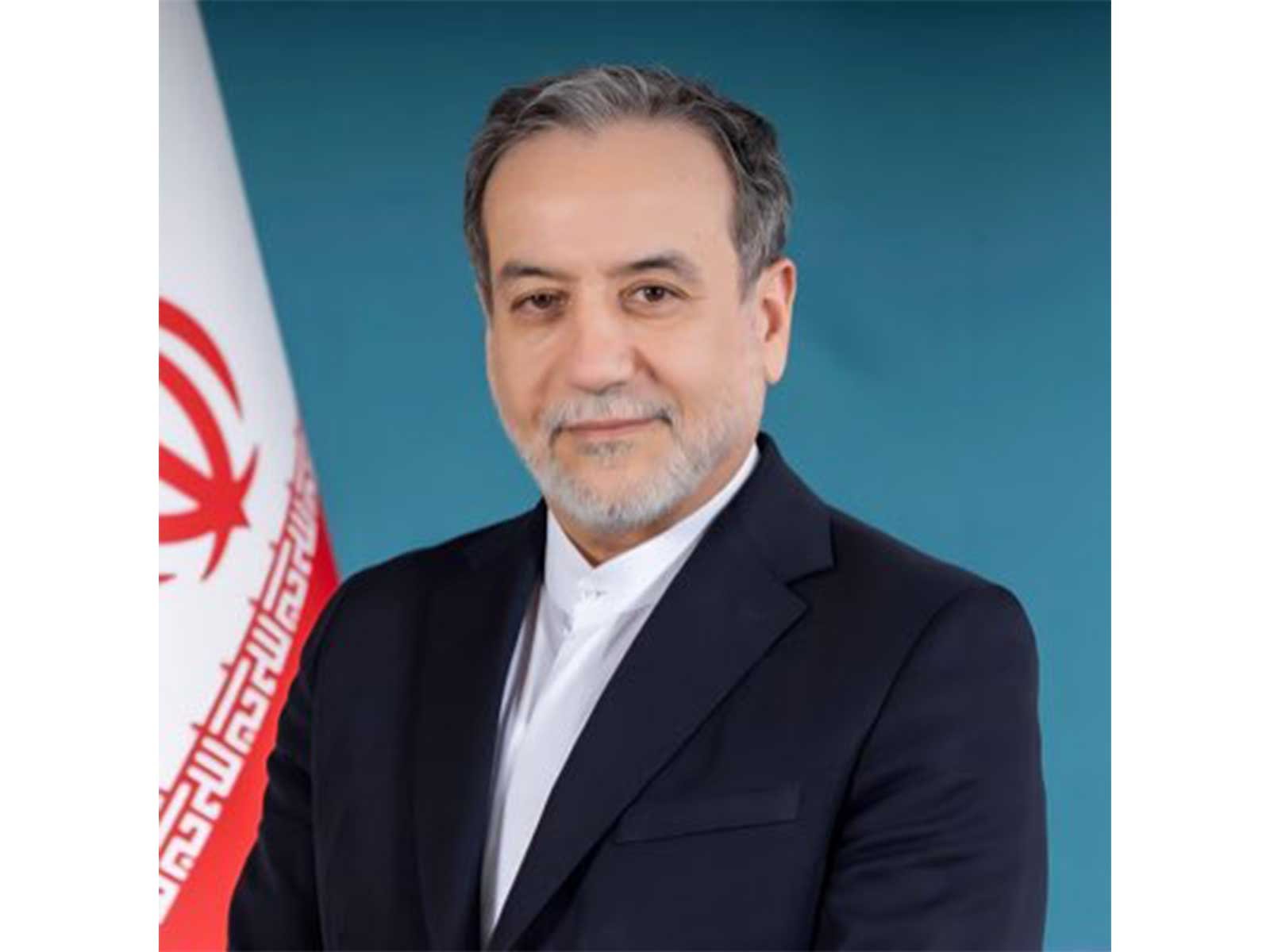
Iran executions have triggered renewed international criticism after France, 25 other countries and the European Union condemned what they described as the continued use of capital punishment against protesters and dissidents.
The joint statement called on Iranian authorities to end the death penalty and release people described by the signatories as arbitrarily detained. The development has created another diplomatic confrontation between Tehran and European governments over human rights, political freedoms and the treatment of protesters.
Iranian Foreign Minister Seyed Abbas Araghchi responded strongly, accusing France and other Western governments of hypocrisy. He argued that their support for Israel during the Gaza conflict and their positions regarding military action against Iran had weakened their claims to moral authority.
The dispute comes amid continuing concerns over political unrest, arrests and executions in Iran.
1. Iran Executions Face Joint EU and International Condemnation
The latest criticism of Iran executions came through a coordinated statement involving France, Canada, Albania, Germany, Australia, Austria, Belgium, Cyprus, Denmark, Spain, Estonia, Finland, Iceland, Latvia, Lithuania, North Macedonia, Montenegro, New Zealand, the Netherlands, Portugal, the Czech Republic, Romania, Slovakia, Slovenia, Sweden, the United Kingdom and the European Union’s foreign policy leadership.
The countries said capital punishment should not be used to silence dissidents, intimidate communities or punish people for exercising fundamental rights.
The joint statement urged Tehran to respond to calls for political change and ensure that people can exercise freedom of expression and peaceful assembly without fear.
The coordinated response represents a significant diplomatic challenge for Tehran because it brings together a broad group of European and other Western governments.
2. Araghchi Accuses France of Hypocrisy
Iranian Foreign Minister Abbas Araghchi rejected the criticism surrounding Iran executions and directly targeted France in a post on X.
Araghchi argued that France should not lecture other countries about human rights and international law. He pointed to French and Western support for Israel during the Gaza conflict and their actions concerning Iran as reasons why, in his view, they had lost the moral authority to criticise Tehran.
His remarks demonstrate how Tehran is framing the controversy as part of a wider geopolitical dispute rather than simply a human rights disagreement.
The Iranian government has repeatedly challenged Western criticism of its domestic policies and accused foreign governments of applying double standards.
The latest response therefore adds another layer to already strained relations between Iran and several European countries.
3. France Calls for an End to Executions
France has taken a strong position against Iran executions, with Foreign Minister Jean-Noël Barrot separately criticising the Iranian government’s response to protests.
Barrot called for an immediate end to what he described as severe repression and demanded accountability for those responsible. He also called for the release of political prisoners and respect for the rights of Iranian citizens.
France’s position is consistent with the wider joint statement signed by more than two dozen countries and the European Union.
The French government has emphasised that people should be able to express their political views and participate in peaceful demonstrations without facing capital punishment.
The dispute between Paris and Tehran has consequently become part of a wider debate about human rights, sovereignty and international law.
4. Iran Protests Remain at the Centre of the Dispute
The controversy surrounding Iran executions is closely linked to protests and political unrest that have affected the country.
The supplied report says widespread anti-government demonstrations began in December amid inflation, economic hardship and anger over governance. The response from Iranian authorities has since attracted international scrutiny.
Human rights organisations have documented cases involving arrests, death sentences and executions, while Iranian authorities have defended their legal and security measures.
The political situation has become even more complicated because Iran is simultaneously dealing with significant regional tensions.
As a result, reports concerning Iran executions are being closely followed by governments and international rights organisations, particularly when people sentenced to death are believed to have connections with political demonstrations.
5. Human Rights Groups Raise Further Concerns
Reports about Iran executions have also drawn attention from international human rights organisations.
Amnesty International reported in May that at least 78 protesters, dissidents and others with alleged or perceived links to banned opposition groups were under sentence of death and at risk of execution. The organisation said at least 36 individuals had been executed since the US-Israeli attacks on Iran began on February 28, according to its assessment at the time.
The figures reported by different organisations can vary significantly because obtaining independently verifiable information from Iran can be difficult.
That uncertainty has not stopped international organisations from raising concerns about the use of capital punishment and the legal processes involved in cases linked to political dissent.
The continuing reports of Iran executions have therefore become a major international human rights issue.
Diplomatic Tensions Continue to Grow
The latest dispute over Iran executions comes at a particularly sensitive time for Tehran’s relationship with European governments.
Iran has rejected Western criticism, while European countries have continued to raise concerns about human rights and political freedoms.
Araghchi’s response shows that Tehran intends to challenge such criticism by highlighting Western policies in the Middle East. His comments specifically connected the dispute with Israel, Gaza and military action involving Iran.
The exchange demonstrates how human rights issues are increasingly intertwined with broader geopolitical disagreements.
For European governments, the reported executions are primarily a matter of human rights and political freedoms. For Tehran, the criticism is also viewed through the lens of sovereignty and international political pressure.
Why the Death Penalty Has Become a Major Issue
The debate over Iran executions is not limited to the current diplomatic dispute.
The death penalty remains one of the most controversial issues in Iran’s relationship with Western governments and international human rights organisations. European governments have consistently opposed capital punishment and frequently call for its abolition worldwide.
The latest joint statement specifically objected to the use of capital punishment against people accused of political dissent.
The signatories argued that people should be able to exercise basic freedoms without facing the threat of execution.
For Tehran, however, the issue involves its domestic legal system and national security policies, creating a fundamental disagreement with governments that are demanding changes.
What Happens Next?
The future of the Iran executions controversy will depend heavily on developments inside the country and the response of Iranian authorities to international pressure.
European governments are expected to continue monitoring reports concerning executions, arrests and the treatment of protesters. Human rights organisations are also likely to document new cases and call for greater transparency surrounding death sentences.
Tehran, meanwhile, is likely to continue rejecting what it considers external interference in its domestic affairs.
Any further executions involving protesters could lead to additional diplomatic statements or pressure from European governments.
The issue could also become part of broader discussions concerning Iran’s relations with Europe and other international powers.
Wider Regional Context
The controversy surrounding Iran executions cannot be separated entirely from the wider political environment in the Middle East.
Iran’s relations with Israel and Western governments have deteriorated amid the Gaza conflict and military tensions. Araghchi’s latest comments demonstrate how Tehran is using those wider disputes to challenge criticism of its domestic policies.
At the same time, European governments are maintaining their focus on fundamental rights and the use of capital punishment.
This creates a difficult diplomatic environment in which human rights, regional security and international law are increasingly connected.
About The Author