
 admin
admin 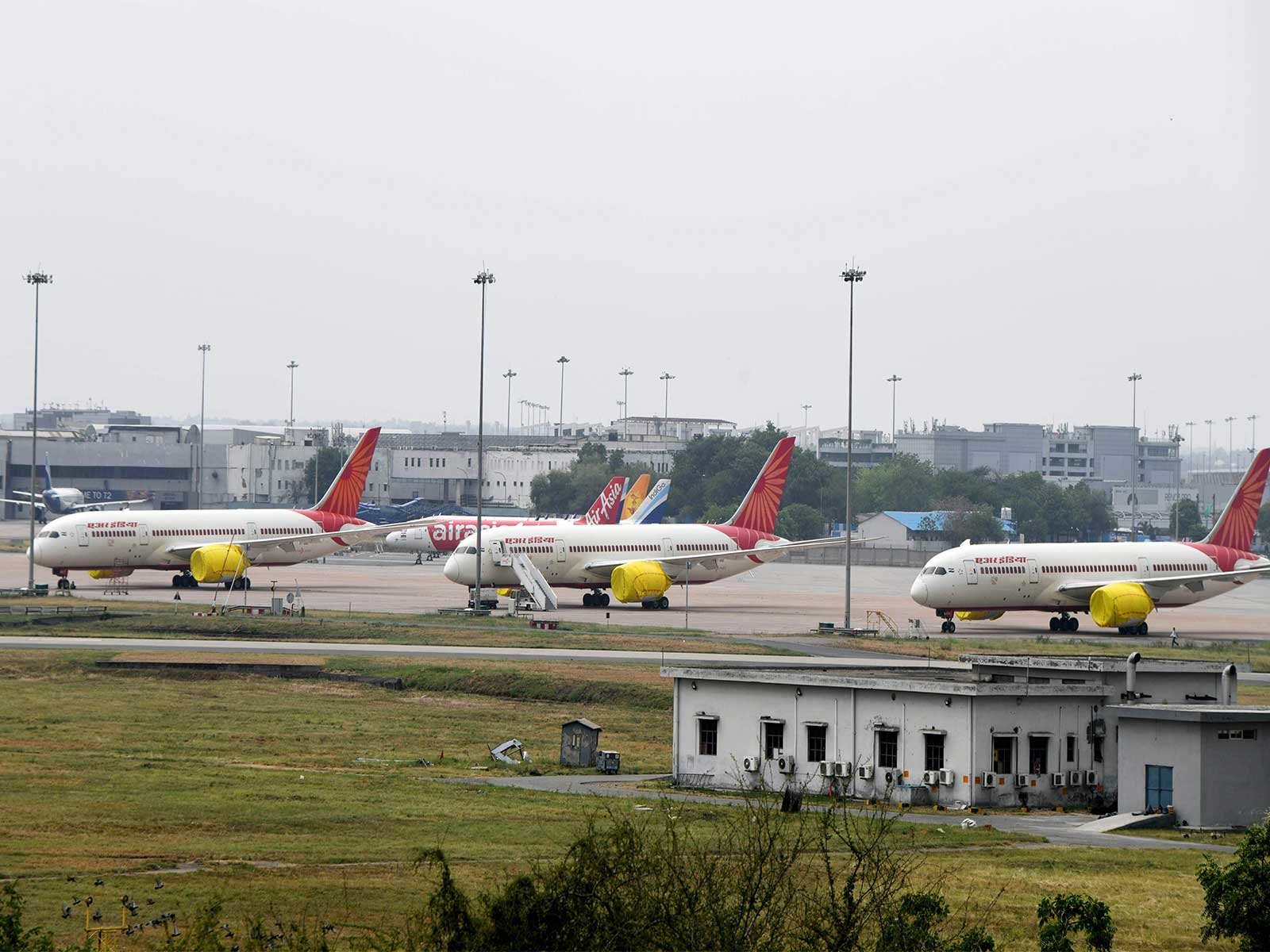
New Delhi: The Federation of Indian Pilots (FIP) has submitted a formal representation to the Directorate General of Civil Aviation (DGCA), recommending the introduction of oral fluid testing for pilots as a complementary method under India’s existing psychoactive-substance testing framework.
The proposal comes amid the rapid expansion of India’s aviation sector and growing concerns about maintaining strong safety standards while ensuring that testing procedures remain efficient and practical. The FIP believes that oral fluid testing for pilots could help increase testing capacity, reduce operational disruptions and make random screening easier at airports and workplaces.
Under the existing DGCA framework, applicable aviation personnel are subject to random urine-based testing, with at least 10 per cent annual coverage. The FIP has now suggested a risk-based hybrid approach in which oral fluid testing for pilots would complement, rather than replace, urine-based testing.
Why FIP Wants Oral Fluid Testing for Pilots
According to the FIP representation, India’s expanding aviation operations require additional testing methodologies that can handle a larger number of screenings without unnecessarily disrupting flight operations.
The federation highlighted several practical advantages of oral fluid testing for pilots. Unlike urine collection, oral-fluid samples can be collected through a simpler and directly observable process. The collection can also take place at or near the workplace, including airports.
The FIP said illustrative planning assumptions suggest that oral-fluid collection could take around 15 minutes, compared with approximately 45 minutes for urine collection. This represents a theoretical reduction of about 66.7 per cent in collection workload.
The proposed use of oral fluid testing for pilots is therefore aimed at improving efficiency while maintaining the overall integrity of the aviation safety system.
FIP Suggests Risk-Based Hybrid Testing Model
The FIP has proposed a “risk-based hybrid model” for implementing oral fluid testing for pilots.
Under the suggested framework, oral-fluid screening could be used for high-volume random testing and airport-based screening. Urine testing would continue to be used in situations where a longer detection window is required or where specific medical circumstances make it more appropriate.
This model would allow oral fluid testing for pilots to operate alongside the existing system rather than immediately replacing established procedures.
The federation believes that such an approach could make the testing system more scalable while allowing regulators to select the appropriate testing method according to the circumstances.
FIP Seeks Increase in Random Testing Coverage
One of the major recommendations in the representation is an increase in annual random testing coverage.
The current DGCA framework requires at least 10 per cent annual random testing for applicable personnel. The FIP has recommended that the minimum coverage be increased to at least 25 per cent of pilots.
According to the federation, a higher testing rate could create a stronger deterrent against the misuse of psychoactive substances while supporting the broader objective of aviation safety.
If introduced alongside oral fluid testing for pilots, the increased coverage could potentially allow authorities to conduct more screenings without creating the same level of operational burden associated with conventional collection methods.
Detection Does Not Automatically Mean Impairment
The FIP has emphasised an important safeguard in its proposal. The detection of a substance, by itself, should not automatically be interpreted as proof that a pilot is impaired.
The federation has therefore called for any revised framework involving oral fluid testing for pilots to maintain a clear procedural sequence.
The proposed process would involve initial screening, followed by confirmatory laboratory testing, medical review and a final regulatory determination.
This safeguard is intended to ensure that a positive screening result is properly evaluated before any final conclusion is reached regarding a pilot’s fitness or regulatory status.
The FIP’s position is that oral fluid testing for pilots should improve screening efficiency without compromising due process or the reliability of final regulatory decisions.
DGCA Asked to Conduct 12-Month Pilot Programme
Before implementing oral fluid testing for pilots nationwide, the FIP has asked the DGCA to commission a controlled 12-month pilot programme.
Such a programme could help authorities evaluate the reliability, practicality and operational effectiveness of oral-fluid testing in India’s aviation environment.
The pilot could also provide data on collection procedures, laboratory confirmation, turnaround times and the impact of screening on airport operations.
The FIP believes that conducting a structured trial would allow regulators to identify potential challenges before introducing oral fluid testing for pilots on a wider scale.
A controlled programme could also help establish appropriate procedures and standards for collection, confirmation and regulatory action.
Pilot Medication Awareness Programme Proposed
Along with oral fluid testing for pilots, the FIP has recommended a mandatory “Pilot Psychoactive-Substance and Medication Awareness Programme.”
The programme would educate pilots about the potential effects of prescription medicines, over-the-counter drugs and herbal products on flight safety and drug-testing results.
A key component would be the “Check Before You Take” principle. Under this approach, pilots would be encouraged to verify whether a medicine or supplement could affect their ability to operate an aircraft safely or produce a test result requiring further investigation.
The federation believes that awareness and education should complement oral fluid testing for pilots, rather than relying entirely on testing as a safety mechanism.
International Aviation Frameworks Cited
The FIP has also pointed to international examples in support of its proposal. The federation cited regulatory frameworks and practices associated with Australia’s Civil Aviation Safety Authority (CASA), the US Department of Transportation (DOT) and the UAE’s General Civil Aviation Authority (GCAA).
The international examples were cited to demonstrate that alternative approaches to psychoactive-substance screening can be incorporated into aviation safety systems.
The FIP believes that adopting an appropriately designed system of oral fluid testing for pilots could help India strengthen its aviation safety framework while keeping pace with the requirements of a rapidly expanding aviation industry.
Proposal Comes After Air India Incident
The recommendation for oral fluid testing for pilots comes in the aftermath of the Air India Phuket-Delhi flight AI2379 incident.
The flight experienced a sudden 300-foot altitude drop over Odisha, resulting in injuries to 20 passengers and four cabin crew members.
Following the incident, Air India initiated mandatory screening of its group pilots for unauthorised substances and medications.
The aircraft’s technical condition is also under scrutiny. A suspected triple hydraulic failure is being examined by the DGCA and the Aircraft Accident Investigation Bureau (AAIB).
The FIP’s latest proposal adds another dimension to the broader discussion about pilot fitness, operational safety and preventive screening in Indian aviation.
Aviation Safety Remains the Priority
The proposed oral fluid testing for pilots is ultimately focused on strengthening preventive safety measures. The FIP has made clear that oral-fluid screening should complement the existing testing framework rather than automatically replace urine-based testing.
The suggested hybrid approach could allow authorities to use faster and more convenient screening methods for high-volume random testing while retaining urine testing when longer detection windows or specific medical requirements make it necessary.
The proposed 12-month pilot programme would also provide the DGCA with an opportunity to evaluate whether oral fluid testing for pilots can deliver reliable results under real-world aviation conditions.
What Happens Next?
The DGCA will have to consider the FIP’s recommendations before deciding whether to introduce oral fluid testing for pilots into the existing regulatory framework.
Important issues such as testing standards, laboratory confirmation, detection windows, medical review, privacy, regulatory procedures and implementation costs would need to be evaluated.
The proposed increase from 10 per cent to 25 per cent annual random testing would also require careful consideration to ensure that increased coverage can be achieved without creating unnecessary operational disruption.
For now, the FIP has called for a controlled trial, stronger testing coverage and greater medication awareness among pilots.
If adopted after appropriate evaluation, oral fluid testing for pilots could become an additional tool for India’s aviation regulators to strengthen screening while improving operational efficiency.
The proposal comes at a time when India’s aviation sector is expanding rapidly and safety oversight remains a key priority. The coming months could determine whether the DGCA moves ahead with the proposed pilot programme and whether oral fluid testing for pilots eventually becomes part of India’s broader aviation safety framework.
About The Author