
 admin
admin 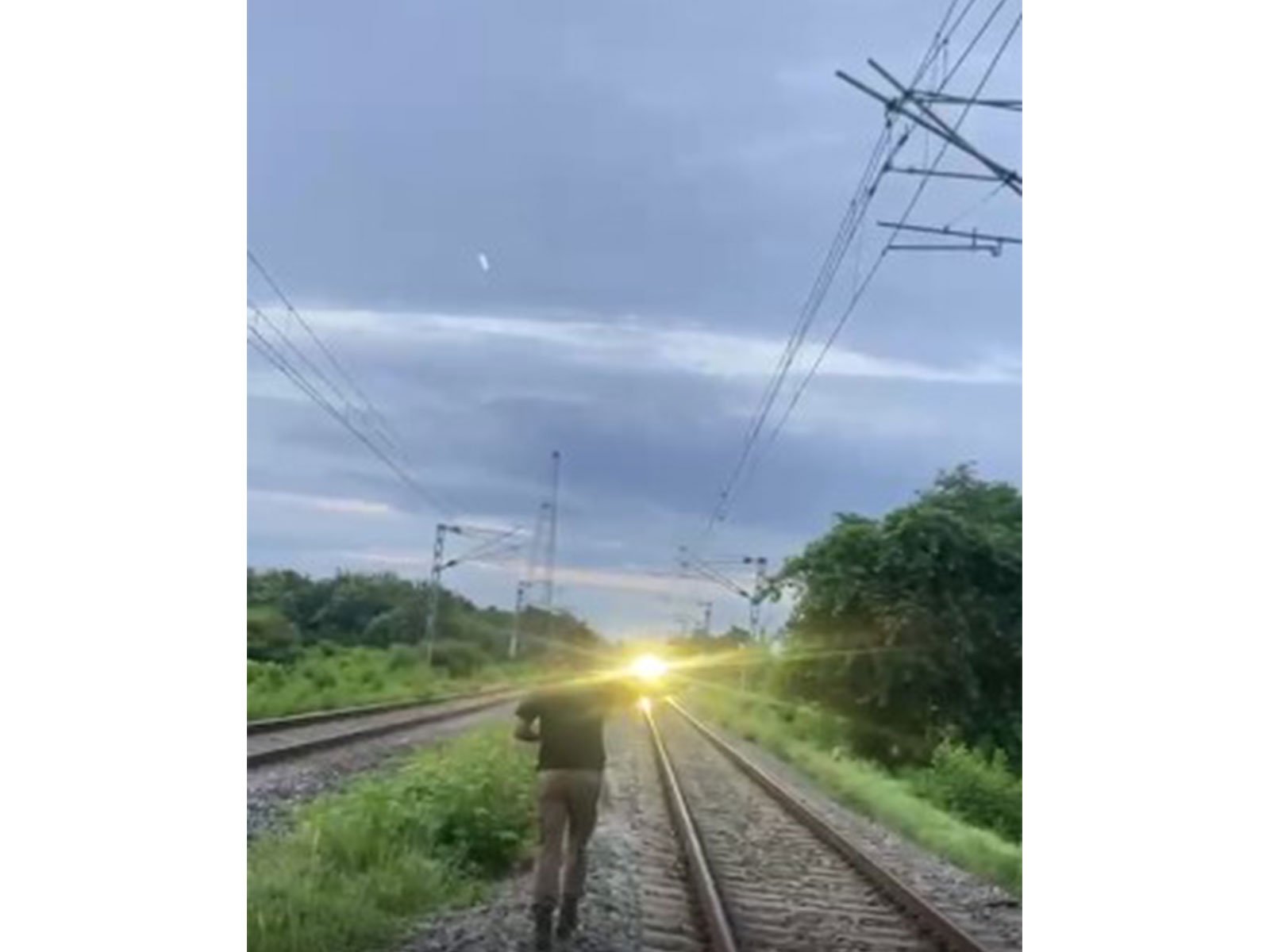
In a heartwarming example of coordination between railway authorities and forest officials, a Rajdhani Express was halted in Assam’s Hojai district on Wednesday morning to allow a herd of wild elephants to cross the railway tracks safely.
The timely intervention helped prevent a potentially dangerous encounter between the moving train and the elephants. Forest personnel monitoring the area noticed the elephant herd near the railway track in the Hawaipur area near Lanka, as the Down Rajdhani Express was approaching.
Following the alert, the train was stopped, giving the elephants enough time to cross the tracks without coming into harm’s way. The incident highlights the importance of vigilance and coordination in areas where railway lines pass through or near wildlife habitats.
Forest Staff Alert Railway Authorities
According to officials, forest staff played a crucial role in identifying the elephant herd before it reached the railway crossing. Their prompt communication with railway authorities enabled the approaching Rajdhani Express to be stopped at the appropriate time.
The coordinated response involved Assam forest personnel, the loco-pilot and the Lumding Railway Control Room. Their combined efforts ensured that the elephant herd could safely move across the railway tracks.
The incident took place at around Km 167/8, where the Down Rajdhani Express was temporarily stopped while the elephants crossed the tracks at Hawaipur under the Lanka Range of the Nagaon South Division in Hojai.
Once the elephant herd had crossed safely and the tracks were clear, the Rajdhani Express resumed its journey.
Rajdhani Express Incident Highlights Wildlife Safety
Railway tracks running through forested and wildlife-rich areas can sometimes create serious risks for animals, particularly elephants. Large elephant groups often travel between forest areas in search of food, water and suitable habitats.
The presence of an elephant herd close to railway tracks requires immediate action because a collision involving a train and elephants can result in fatalities for both wildlife and, potentially, railway personnel and passengers.
The safe passage of the elephant herd in Hojai demonstrates how early detection and quick communication can make an important difference. In this case, the decision to halt the Rajdhani Express provided the animals with a safe window to cross.
Such incidents also underline the importance of maintaining effective communication systems between forest departments and railway control rooms in regions where elephants regularly move across railway corridors.
Assam Minister Shares Video of Elephant Rescue
Assam Forest Minister Jayanta MallaBarua shared a video of the incident on social media, highlighting the successful intervention by forest officials and railway personnel.
The minister said that the Down Rajdhani Express was stopped at Km 167/8 after an elephant herd was spotted crossing the railway tracks at Hawaipur under the Lanka Range.
He praised the alert response of Assam forest staff, the loco-pilot and the Lumding Railway Control Room, saying their efforts ensured that the elephant herd crossed safely before the train continued its journey.
The minister also emphasised the ongoing efforts of forest personnel who remain vigilant to protect wildlife. He described the safe crossing as another example of the quiet but important work carried out by officials to safeguard animals.
Why Elephant Crossings Need Special Attention
Elephants are highly mobile animals and frequently move across large territories. In Assam and other parts of Northeast India, railway corridors can intersect traditional elephant movement routes.
When an elephant herd approaches railway tracks, trains need to be slowed or stopped depending on the circumstances. Early warning systems, patrol teams and communication between forest and railway authorities can help reduce the possibility of accidents.
The Hojai incident involving the Rajdhani Express shows the value of this approach. Instead of allowing the train to continue while the elephants were on the tracks, officials responded quickly and prioritised the safe movement of the animals.
The successful crossing also demonstrates why railway staff and forest officials need to remain particularly watchful in known elephant movement zones.
Rajdhani Express Resumes Journey After Safe Crossing
After the elephant herd completed its crossing, railway officials confirmed that the Rajdhani Express was able to resume its journey.
The temporary halt caused the train to wait while the animals moved away from the tracks. Once the route was safe, the train continued normally.
The incident ended without harm to the elephants, passengers or railway staff, making it a positive example of wildlife-sensitive railway operations.
The safe movement of the elephant herd also received attention because of the heartwarming nature of the incident. A major passenger train stopping to allow wild elephants to pass safely offered a rare reminder that infrastructure and wildlife protection can coexist when authorities act quickly and responsibly.
A Positive Example of Wildlife Protection
The Hojai incident involving the Rajdhani Express is more than a brief railway halt. It demonstrates how coordination, awareness and timely decision-making can protect wildlife in areas where human infrastructure overlaps with animal habitats.
The successful crossing of the elephant herd was possible because forest personnel identified the animals in time and alerted the railway authorities. The loco-pilot and Lumding Railway Control Room then acted promptly to prevent the train from entering the section while the elephants were crossing.
For wildlife conservation efforts, such coordination is especially significant. Every safely completed crossing reduces the risk of wildlife mortality and helps protect elephant populations.
The Assam incident therefore stands as an encouraging example of responsible action. The decision to stop the Rajdhani Express allowed the elephants to cross peacefully, after which the train resumed its journey.
As railway networks continue to operate through wildlife-rich regions, incidents like this reinforce the need for constant monitoring, communication and cooperation between railway and forest departments.
The safe crossing in Hojai ultimately became a heartwarming wildlife rescue moment, showing that a few minutes of caution can make a lasting difference for vulnerable wildlife.
About The Author