

 admin
admin 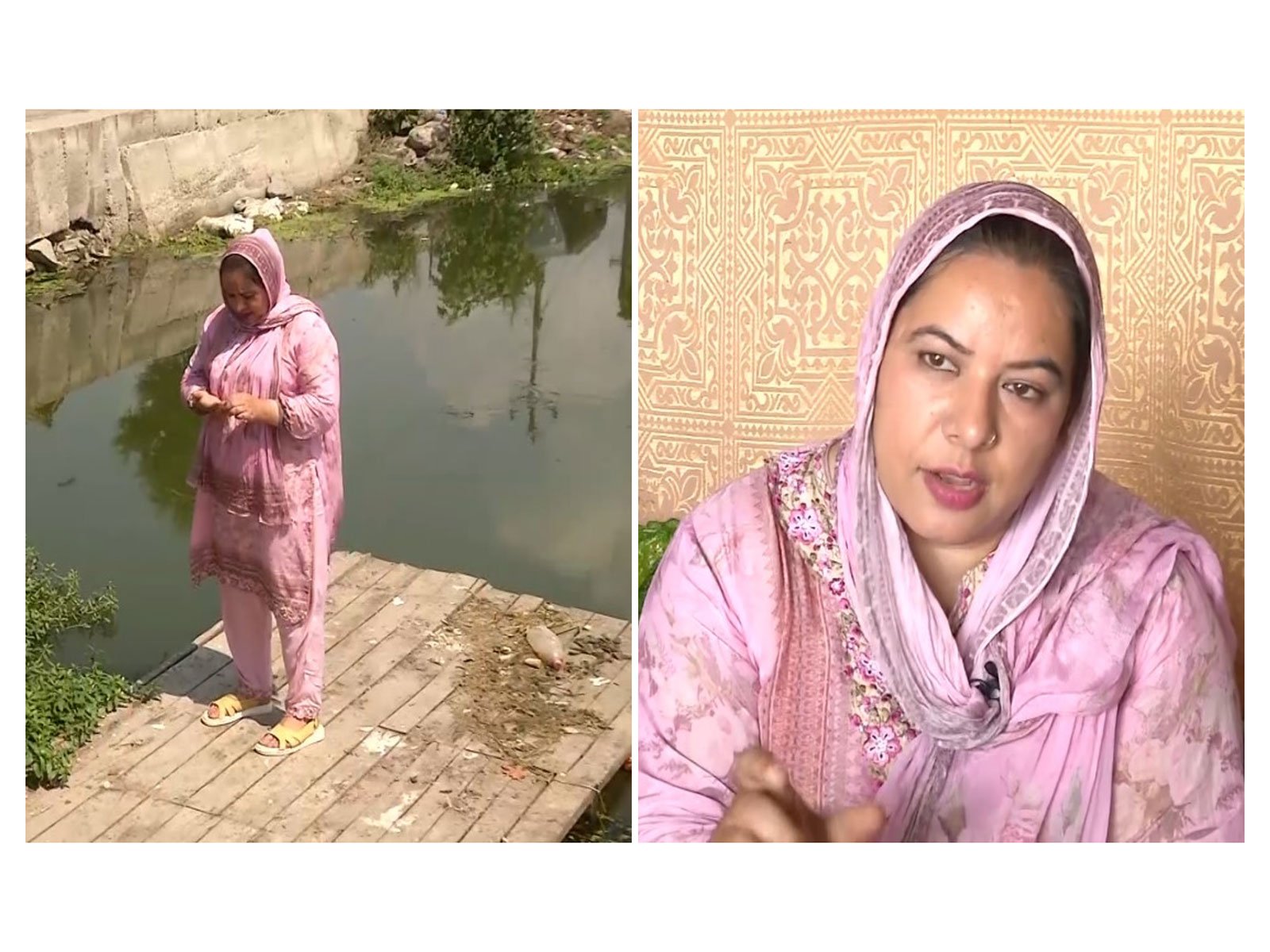
Kashmir’s centuries-old artistic traditions continue to evolve as a local artisan introduces an innovative approach to traditional craftsmanship. Grass Mache craft is a unique technique developed by Srinagar-based artisan Simran, who transforms dried grass and weeds into beautiful, durable home decor products.
The creative method combines traditional paper mache techniques with sustainable materials, giving new life to vegetation that is often considered waste.
Simran, a woman artisan from Nowshera Zoonimar in Srinagar, developed this eco-friendly craft using dried weeds and grasses, including plant material collected from Dal Lake. Her work reflects a blend of environmental awareness, traditional skills and creative innovation.
Kashmir Artisan Creates New Eco-Friendly Craft
With around five years of experience in paper mache, Simran spent nearly two years developing the Grass Mache craft technique.
Her goal was to preserve the essence of Kashmir’s traditional paper mache while introducing an environmentally friendly alternative. Instead of relying only on conventional materials, she uses natural fibres from dried grass and weeds.
The process involves collecting vegetation, drying it, converting it into fibrous pulp and mixing it with recycled paper pulp. The mixture is then shaped into different products that resemble stone-like decorative items.
Turning Waste Grass Into Decorative Products
The unique feature of the Grass Mache craft is its use of discarded vegetation. Some of the grass and weeds used by Simran are collected from areas around Dal Lake.
By transforming unwanted plant material into useful products, her work promotes sustainability while creating awareness about maintaining cleanliness around natural resources.
Simran believes that waste materials can become valuable resources when combined with creativity and traditional knowledge.
Preserving Kashmir’s Paper Mache Heritage
Paper mache is one of Kashmir’s most recognised traditional crafts, famous for detailed designs, colourful patterns and skilled handmade work.
The Grass Mache craft keeps the foundation of traditional paper mache alive while introducing a new material approach. Instead of replacing the old craft, Simran’s innovation adds another dimension to Kashmir’s artistic heritage.
Her experiment demonstrates how traditional art forms can adapt to modern environmental challenges.
Empowering Women Through Craft Training
Beyond creating sustainable art, Simran’s initiative is also helping women explore opportunities in handicrafts.
She has been teaching the Grass Mache technique to local women free of cost, encouraging them to learn the skill and potentially use it as a source of income.
Traditionally, paper mache has had more male artisans, but Simran’s efforts are creating opportunities for women to participate and grow in the craft sector.
A Sustainable Future for Traditional Crafts
The development of Grass Mache craft highlights the importance of combining traditional craftsmanship with sustainability.
As environmental concerns increase, artists like Simran are finding innovative ways to reduce waste and create meaningful products.
Her work shows that local resources, when used responsibly, can support both cultural preservation and environmental protection.
Grass Mache Craft Brings New Identity to Kashmir Art
Simran’s innovation represents a new chapter in Kashmir’s rich craft history. By using dried grasses, recycled paper and natural materials, she has created a technique that connects heritage with sustainability.
The Grass Mache craft movement reflects how artisans can protect traditional skills while introducing fresh ideas for future generations.
Through dedication and creativity, Simran is proving that even discarded materials can become valuable works of art.
The growing popularity of Grass Mache craft also highlights the importance of supporting local artisans and preserving traditional knowledge. By combining Kashmir’s historic paper mache techniques with sustainable materials, Simran is creating a model that can inspire other craftsmen to explore eco-friendly alternatives. This innovative approach not only reduces waste but also encourages younger generations to connect with traditional art forms while adapting them for modern needs. Such creative efforts can help keep Kashmir’s rich handicraft legacy alive while promoting environmental responsibility.
About The Author