
 admin
admin 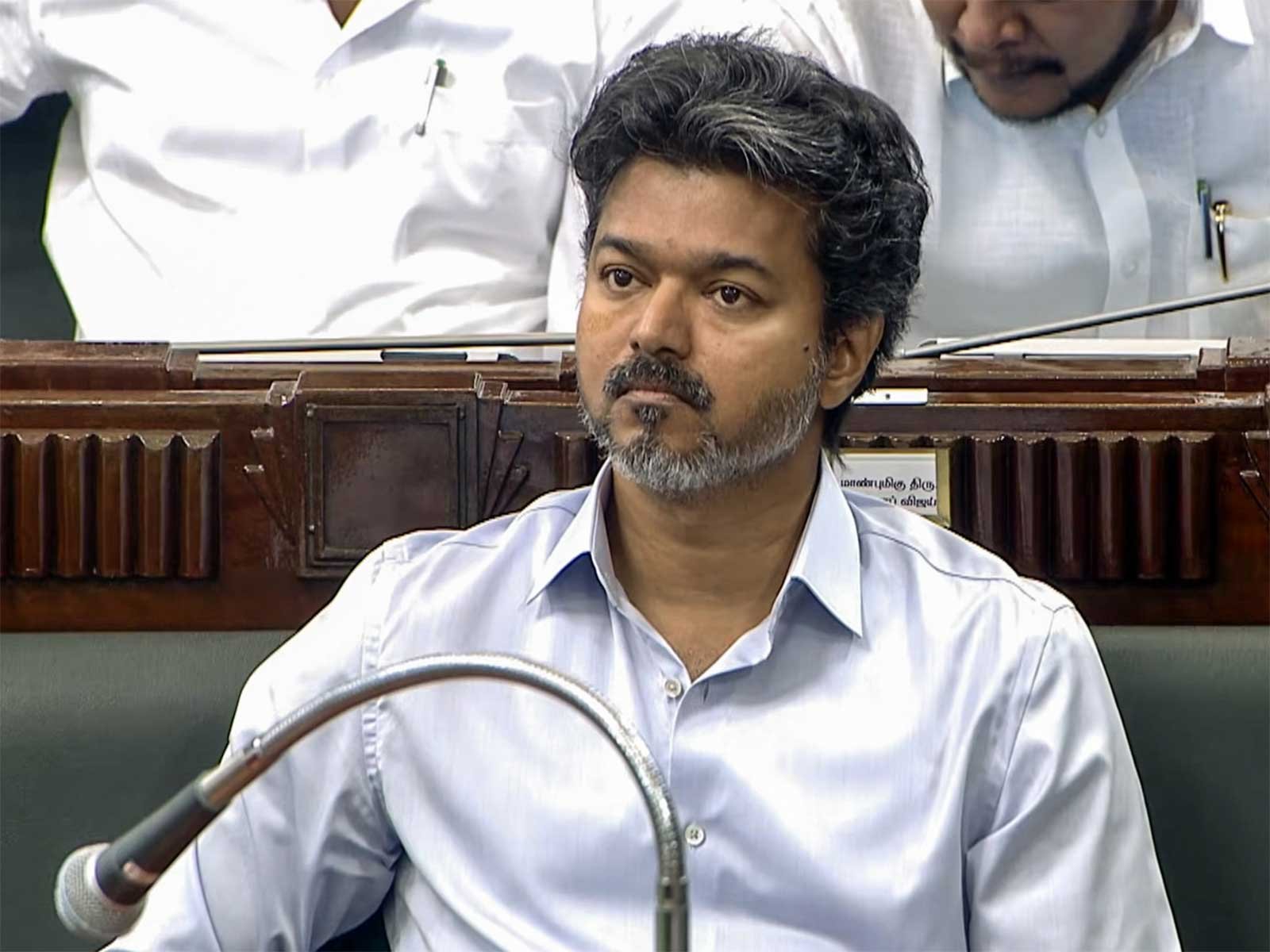
The Tamil Nadu Legislative Assembly is set to pass a resolution urging the Union government to amend relevant central laws and Abolish NEET as the uniform entrance examination for undergraduate medical admissions.
The proposed resolution argues that the National Eligibility cum Entrance Test (NEET) has created significant challenges for students from rural areas, economically weaker backgrounds and those studying in Tamil medium. The Tamil Nadu government has maintained that the examination has increased dependence on expensive coaching centres and placed additional pressure on students during their school education.
The move marks another major step in Tamil Nadu’s long-standing opposition to the national medical entrance examination and its demand for an alternative admission system based on Class 12 performance.
Tamil Nadu Assembly Pushes to Abolish NEET
The proposal to abolish NEET is based on concerns raised by the Tamil Nadu government regarding access to medical education.
According to the resolution, students from rural and economically backward communities face additional difficulties in preparing for a highly competitive national-level examination. The government has also highlighted the challenges faced by students who complete their schooling in Tamil.
The Assembly is expected to urge the Centre to amend several central laws to discontinue NEET for undergraduate medical admissions.
The proposed changes would include amendments to the National Medical Commission Act, 2019, the National Commission for Indian System of Medicine Act, 2020, the National Commission for Homoeopathy Act, 2020, and other relevant legislation.
Coaching Centres Become Major Concern
One of the key arguments behind the demand to abolish NEET is the growing dependence on private coaching.
The Tamil Nadu resolution states that unregulated coaching centres charging high fees have increased as NEET has become an important factor in medical admissions.
According to the state government, students are increasingly required to dedicate significant amounts of time to entrance-examination preparation, sometimes at the expense of their regular school curriculum.
The resolution argues that a single-day examination after 12 years of schooling has effectively become the decisive factor in determining whether students can pursue medical education.
Tamil Nadu has therefore advocated an admission system that gives greater importance to students’ performance throughout their school education.
Tamil Nadu Wants Class 12 Marks-Based Admissions
The Tamil Nadu government has proposed that admission to medical courses in the state should be based on Class 12 examination marks if NEET is discontinued.
The proposal reflects the state’s broader argument that school performance should play a greater role in determining admission to undergraduate medical courses.
Supporters of the state’s position have argued that a marks-based system could reduce dependence on costly coaching and provide students from different socioeconomic backgrounds with a more level playing field.
The demand to abolish NEET has also remained connected with Tamil Nadu’s concerns about educational equality and the impact of national-level competitive examinations on students.
Previous Tamil Nadu Bill Remains Pending
The resolution also refers to the Tamil Nadu Assembly’s earlier attempt to secure exemption from NEET.
The Assembly had unanimously passed Bill No. 43 of 2021, seeking exemption for Tamil Nadu from NEET for undergraduate medical admissions.
However, according to the resolution, the Bill has remained pending without presidential approval.
The latest move seeks to renew pressure on the Union government by calling for changes to the relevant central laws so that NEET can eventually be discontinued at the national level.
The state’s renewed demand to abolish NEET comes amid continued debate over the examination and its impact on medical aspirants.
Concerns Over NEET-UG Examination
The Tamil Nadu resolution has also cited examination-related controversies as a reason for its opposition to the current system.
It refers to alleged question paper leaks and irregularities and specifically mentions NEET-UG 2024, which was cancelled and re-conducted, causing significant distress among students.
The state government has argued that such developments have weakened students’ confidence in the examination system.
The resolution also refers to cases of student suicides associated with examination-related distress and argues that the pressure surrounding NEET has become a serious concern.
Tamil Nadu has therefore concluded that the existing system should be discontinued.
Assembly Also Opposes FCRA Amendment Bill
Alongside its resolution seeking to abolish NEET, the Tamil Nadu Legislative Assembly is also set to pass a resolution opposing the Foreign Contribution (Regulation) Amendment Bill, 2026, in its current form.
The resolution raises concerns over provisions that could allow the government to take over, manage, dispose of or sell assets belonging to charitable organisations following the expiry, non-renewal, refusal, cancellation or surrender of their FCRA registration.
The state government has argued that such provisions could affect the autonomy of charitable organisations.
Particular concern has been expressed regarding educational and social welfare institutions operated by minority communities.
Tamil Nadu Seeks Wider Consultation on FCRA Bill
The Assembly’s proposed resolution will urge the Union government to withdraw the FCRA Bill in its present form and conduct comprehensive consultations with state governments and other stakeholders.
The proposed consultations would include charitable, religious, educational, medical and social organisations.
Tamil Nadu has also called for any amendments to safeguard principles including natural justice, proportionality, property rights, legitimate expectation and federalism.
The resolution further seeks greater transparency and accountability in the regulation of foreign contributions.
The two resolutions demonstrate the state’s position on both education policy and the regulation of charitable organisations.
Vijay Welcomes Tamil Thai Vazhthu Resolution
Separately, Tamil Nadu Chief Minister Vijay welcomed the passage of a resolution on Monday making the singing of the State Song ‘Tamil Thai Vazhthu’ mandatory before programmes organised by educational institutions, government offices and other public institutions across the state.
Reacting to the resolution, Vijay said the decision reflected the importance attached to Tamil language, culture and civilisation.
He also thanked political parties for extending unanimous support to the measure.
The Chief Minister described Tamil as more than just a language, linking it with the state’s cultural identity and emotions.
He said the resolution represented an important effort to uphold and protect the antiquity, uniqueness, pride and significance of the Tamil language.
Education Policy Remains a Major Issue
The latest demand to abolish NEET highlights the continuing differences between Tamil Nadu and the Centre over medical admissions.
Tamil Nadu has consistently argued that the national examination creates additional challenges for students who do not have access to expensive coaching facilities.
The state has instead promoted a system based on school examination performance, arguing that it could provide a more equitable pathway to medical education.
The latest resolution is expected to renew the debate over how medical admissions should be conducted across India.
What Happens Next?
The Tamil Nadu Assembly’s resolution will urge the Union government to consider amendments to the relevant central laws and discontinue NEET for undergraduate medical admissions.
If implemented, Tamil Nadu’s proposed system would use Class 12 marks as the basis for medical admissions in the state.
However, changes to the national medical admission framework would require action at the Union level and amendments to the applicable legislation.
For now, the resolution represents the latest formal expression of Tamil Nadu’s demand to abolish NEET.
The Assembly’s position also brings renewed attention to concerns surrounding coaching expenses, examination pressure, educational inequality and the challenges faced by students from rural and economically weaker backgrounds.
As the debate continues, the future of NEET and the proposed alternative admission model are likely to remain important issues in India’s medical education policy. The Tamil Nadu government’s latest resolution seeks to place these concerns firmly before the Union government while also calling for broader discussions on the proposed FCRA amendments
About The Author