
Amit Shah’s ‘Detect, Deduct, Destroy’ Strategy: Centre Launches Ruthless Crackdown on Drug Traffickers
 admin
admin 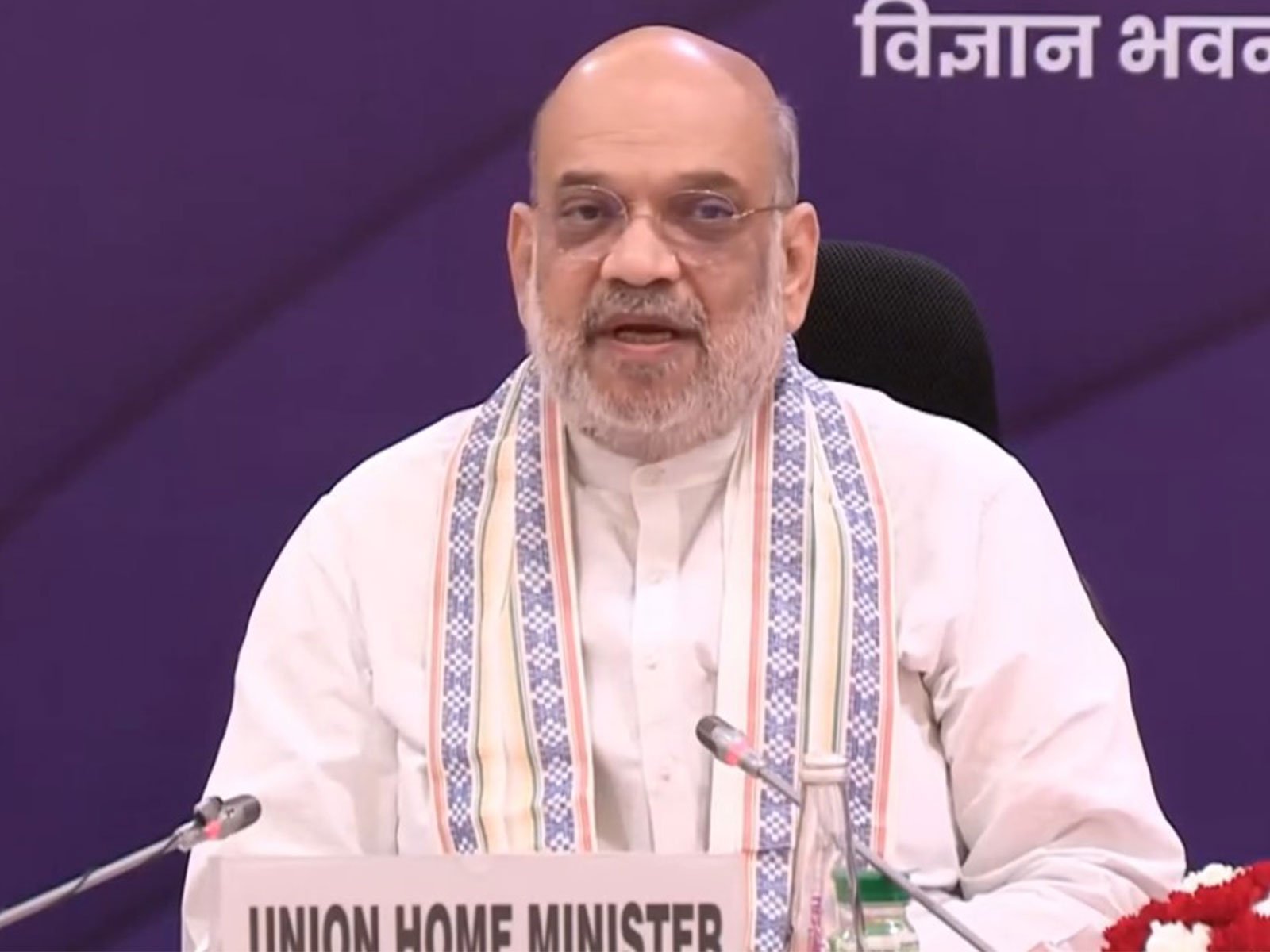
Amit Shah Calls for Ruthless Action Against Drug Traffickers
On the occasion of the International Day Against Drug Abuse and Illicit Trafficking, Union Home Minister Amit Shah unveiled a stronger national strategy to eliminate drug trafficking networks across India. Addressing the 10th Apex-Level Meeting of the Narco-Coordination Centre (NCORD) in New Delhi, Shah urged all states to adopt a “Detect, Deduct, Destroy” approach to dismantle drug cartels, eliminate kingpins, and strengthen intelligence sharing.
The Amit Shah drug trafficking crackdown is being projected as one of the government’s most aggressive anti-narcotics campaigns, with the next three years described as crucial in determining India’s success in defeating the drug menace.
Next Three Years Crucial in India’s Fight Against Drugs
During his address, Amit Shah said India stands at a decisive moment in the battle against narcotics. He stressed that the coming three years would determine whether drug addiction spreads further or the country succeeds in eliminating the threat.
He called upon all state governments, law enforcement agencies, religious leaders, youth organizations, and families to unite in the nationwide movement against drug abuse. According to Shah, collective participation is essential to secure India’s future and protect the younger generation from addiction.
The Amit Shah drug trafficking crackdown aims to create a coordinated national response involving every stakeholder in society.
“Detect, Deduct, Destroy” Becomes New Anti-Drug Strategy
The highlight of Amit Shah’s speech was the introduction of the “Detect, Deduct, Destroy” strategy.
Under this approach, authorities will:
- Detect drug trafficking networks through intelligence gathering.
- Deduct or dismantle financial and operational support systems of smugglers.
- Destroy entire drug syndicates by arresting kingpins and eliminating supply chains.
Shah instructed enforcement agencies to ensure that no major trafficker escapes legal action. He emphasized that targeting only low-level offenders would not solve the problem, and instead, authorities must focus on dismantling complete criminal networks.
This Amit Shah drug trafficking crackdown signals a shift toward attacking the roots of organized drug crime.
Tough on Smugglers, Compassionate Towards Victims
While advocating strict punishment for traffickers, Amit Shah also highlighted the need for compassion towards people suffering from addiction.
He said those involved in drug smuggling should face ruthless legal action, but individuals trapped by addiction deserve rehabilitation, treatment, and support.
According to Shah, Amit Shah drug trafficking crackdown addiction is a social issue that requires both strict law enforcement and effective rehabilitation programs. This balanced approach forms an important part of the Amit Shah drug trafficking crackdown.
States Asked to Strengthen Coordination
The Home Minister urged all states and Union Territories to improve coordination through the Narco-Coordination Centre (NCORD).
He emphasized that meetings alone are not enough. Instead, every decision taken during NCORD meetings should be implemented effectively, reviewed regularly, and monitored for measurable outcomes.
Shah called upon Chief Secretaries and Directors General of Police to make anti-drug coordination meetings result-oriented rather than merely procedural.
The Amit Shah drug trafficking crackdown depends heavily on seamless cooperation between the Centre and state governments.
Real-Time Intelligence Sharing Made a Priority
Amit Shah stressed the importance of sharing real-time intelligence through digital platforms developed by the Narcotics Control Bureau (NCB).
He directed state authorities to upload crime-related information promptly so that the central government can analyze trends, monitor investigations, and provide necessary guidance.
Improved intelligence sharing is expected to help agencies identify interstate drug syndicates and coordinate faster enforcement actions.
Dark Web and Synthetic Drug Labs Under Scanner
One of the major concerns highlighted during the meeting was the increasing use of the dark web for drug trafficking.
Shah instructed enforcement agencies to intensify surveillance of online drug networks while identifying and destroying illegal synthetic drug manufacturing laboratories operating across the country.
The Home Minister said authorities must completely dismantle trafficking networks rather than simply making isolated arrests.
This aspect of the Amit Shah drug trafficking crackdown reflects the government’s increasing focus on cyber-enabled narcotics crime.
Record Drug Seizures Highlight Enforcement Success
Highlighting the government’s achievements, Amit Shah compared drug seizure statistics from the previous decade with recent years.
According to the Home Minister:
- Between 2004 and 2014, authorities seized approximately 2.6 million kilograms of synthetic drugs.
- Between 2014 and 2026, seizures increased to nearly 11.8 million kilograms.
Similarly, the estimated value of seized narcotics increased dramatically:
- ₹40,000 crore worth of drugs seized between 2004 and 2014.
- Nearly ₹1.84 lakh crore worth of drugs seized between 2014 and 2026.
These figures, Shah said, demonstrate the growing effectiveness of India’s anti-drug enforcement agencies.
The Amit Shah drug trafficking crackdown is expected to build upon these achievements through stronger coordination and technology-driven investigations.
International Day Against Drug Abuse
The Amit Shah drug trafficking crackdown announcement coincided with the observance of the International Day Against Drug Abuse and Illicit Trafficking, celebrated every year on June 26 under the United Nations.
The day aims to raise awareness about the harmful effects of drug abuse while encouraging governments worldwide to strengthen efforts against illegal drug production, trafficking, and consumption.
The observance has been held annually since 1989 and commemorates Chinese official Lin Zexu’s historic efforts to suppress the opium trade in Humen before the First Opium War.
Government Signals Zero Tolerance Against Drug Cartels
The Centre’s latest strategy demonstrates its intention to pursue a zero-tolerance policy against organized drug trafficking.
With stronger intelligence sharing, continuous monitoring of the dark web, destruction of synthetic drug laboratories, and coordinated action by state governments, authorities hope to significantly weaken drug syndicates operating across India.
At the same time, rehabilitation and social awareness campaigns will continue to support individuals affected by addiction.
As the government intensifies enforcement under the Amit Shah drug trafficking crackdown, the coming years are expected to play a decisive role in shaping India’s long-term fight against narcotics.
Conclusion
Union Home Minister Amit Shah’s “Detect, Deduct, Destroy” strategy marks a significant escalation in India’s anti-drug campaign. By combining strict action against traffickers with compassionate rehabilitation for victims, the government aims to eliminate drug networks while protecting future generations. The Amit Shah drug trafficking crackdown underscores the Centre’s commitment to making India drug-free through coordinated enforcement, advanced intelligence sharing, and sustained public participation.
About The Author