
📍 New Delhi, May 1, 2026
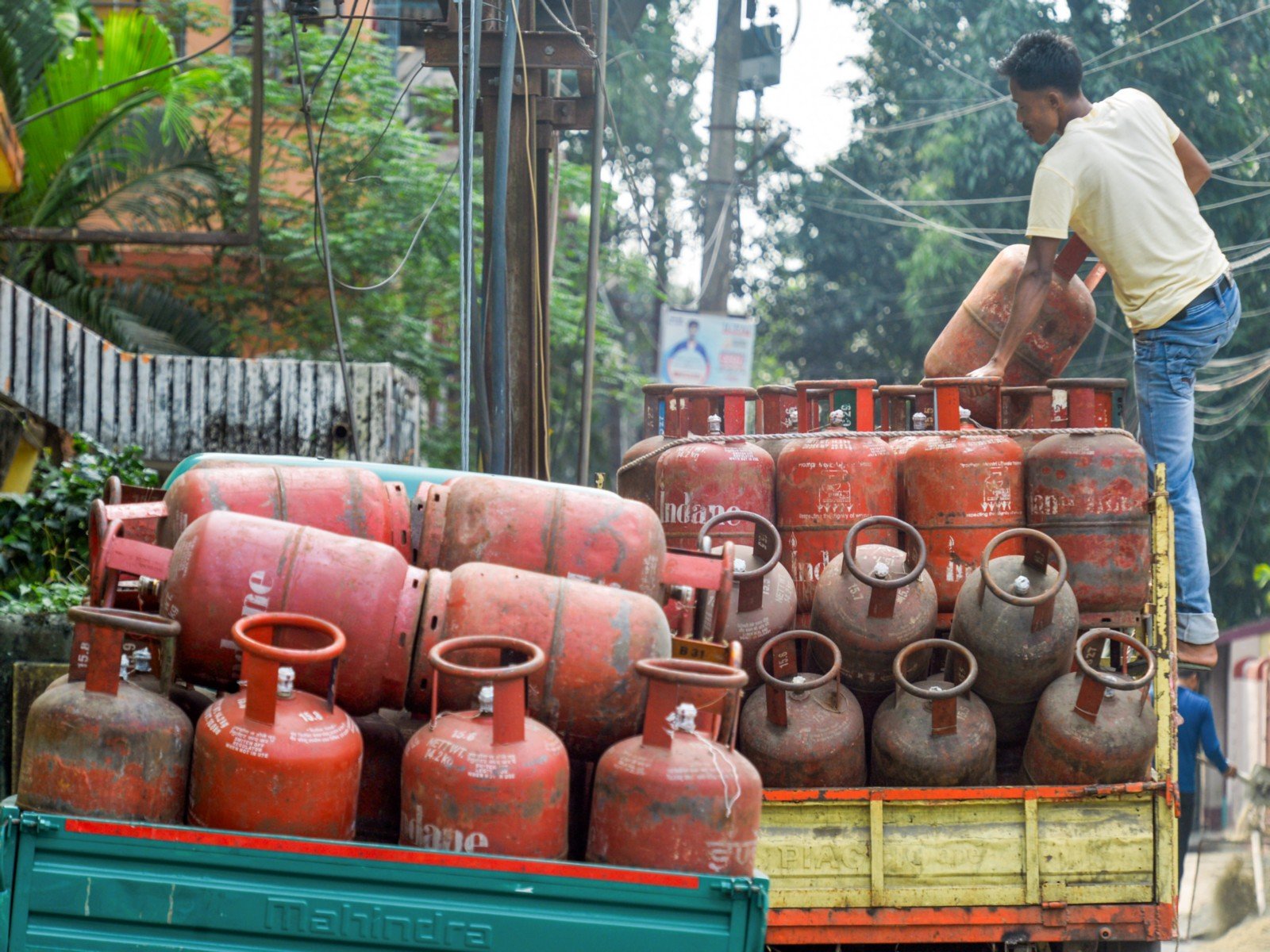
The recent Commercial LPG Price Hike has sparked a political storm in India, with the Indian National Congress sharply criticizing the Centre and Prime Minister Narendra Modi. The opposition has accused the government of burdening businesses with rising fuel costs and fueling inflation.
The controversy follows a steep increase of ₹993 in the price of commercial LPG cylinders, taking the cost of a 19 kg cylinder in Delhi to ₹3,071.50.
Commercial LPG Price Hike: What Has Changed?
The Commercial LPG Price Hike applies specifically to:
- 19 kg commercial cylinders used by businesses
- Hotels, restaurants, and small enterprises
- Bulk LPG consumers
Key Price Details:
- Increase: ₹993 per cylinder
- New price (Delhi): ₹3,071.50
- Domestic LPG (14.2 kg): No change
While domestic consumers have been shielded from the hike, the impact on commercial users is significant.
Congress Slams Government Over LPG Price Hike
The Commercial LPG Price Hike triggered a strong reaction from the Congress party, which labelled PM Modi as “Inflation Man Modi.”
In a social media post, the party highlighted cumulative price increases over the past few months:
Price Increase Timeline:
- January 1: ₹111
- February 1: ₹50
- March 1: ₹31
- March 7: ₹115
- April 1: ₹218
- May 1: ₹993
Total increase in 4 months: ₹1,518
The opposition argued that such frequent hikes are placing a heavy burden on businesses and contributing to inflationary pressure.
Impact of Commercial LPG Price Hike on Businesses
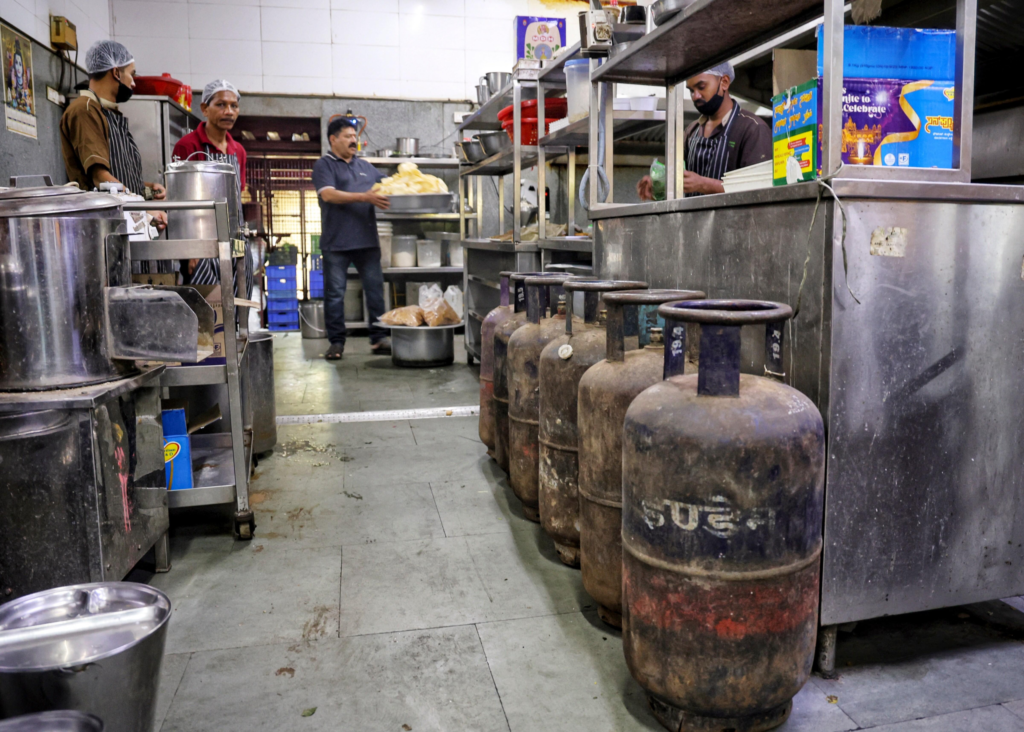
The Commercial LPG Price Hike is expected to directly affect several sectors:
Restaurants & Hotels:
- Increased operational costs
- Possible rise in food prices
Small Businesses:
- Street vendors and small eateries hit hardest
- Reduced profit margins
Commercial Establishments:
- Higher input costs
- Pressure on pricing strategies
For many small entrepreneurs, LPG is a daily necessity, making the hike particularly challenging.
Why Are LPG Prices Rising?
The government has linked the Commercial LPG Price Hike to global factors.
Key Reasons:
- Rising crude oil prices
- Geopolitical tensions in West Asia
- Increased import costs
Brent crude prices recently surged to around USD 126 per barrel before easing slightly. Since India imports a large portion of its LPG, domestic prices are influenced by international benchmarks.
How LPG Pricing Works in India
Understanding the Commercial LPG Price Hike requires a look at how pricing is structured:
Commercial LPG:
- Market-linked pricing
- Revised monthly
- No subsidy
Domestic LPG:
- Subsidised by the government
- Used by ~33 crore households
- Prices remain stable for now
This dual pricing system explains why households are not directly affected by the latest hike.
Economic Implications of LPG Price Hike
The Commercial LPG Price Hike could have broader economic effects:
Inflationary Pressure:
- Increased cost of goods and services
- Impact on food inflation
Business Sentiment:
- Reduced margins for MSMEs
- Slower recovery for small businesses
Consumer Impact:
- Indirect price rise in services
- Higher cost of dining and goods
Economists warn that sustained increases could ripple through multiple sectors.
Political Reactions and Debate
The Commercial LPG Price Hike has become a political flashpoint.
Congress Position:
- Accuses government of fueling inflation
- Highlights cumulative price increases
- Targets PM Modi’s economic policies
Government Perspective:
- Attributes hike to global market trends
- Maintains domestic LPG stability
- Emphasises limited impact scope
The debate reflects broader disagreements over economic management and inflation control.
Limited Impact Scope: Government’s Argument
Officials argue that the Commercial LPG Price Hike affects only a small segment:
- Commercial LPG accounts for a limited share of total consumption
- Domestic consumers remain protected
- Subsidies continue for households
However, critics argue that indirect effects will still impact common citizens.
Global Context: Energy Market Volatility
The Commercial LPG Price Hike comes amid global uncertainty:
- Ongoing geopolitical tensions
- Supply chain disruptions
- Fluctuating oil prices
Energy markets worldwide have been unstable, affecting fuel pricing in many countries.
What Lies Ahead?
The future of LPG pricing will depend on:
- Global crude oil trends
- Government policy decisions
- Economic conditions
If global prices stabilise, there may be relief. However, continued volatility could lead to further adjustments.
Balancing Economics and Politics
The Commercial LPG Price Hike has highlighted the delicate balance between economic realities and political narratives.
While the government points to global factors, the opposition sees it as a policy failure affecting businesses and inflation.
For now, the key takeaways are:
- Businesses face immediate cost pressures
- Households remain protected
- Political debate is intensifying
As India navigates global economic challenges, fuel pricing will remain a critical issue shaping both policy and public sentiment.
Leave a Reply