

 admin
admin 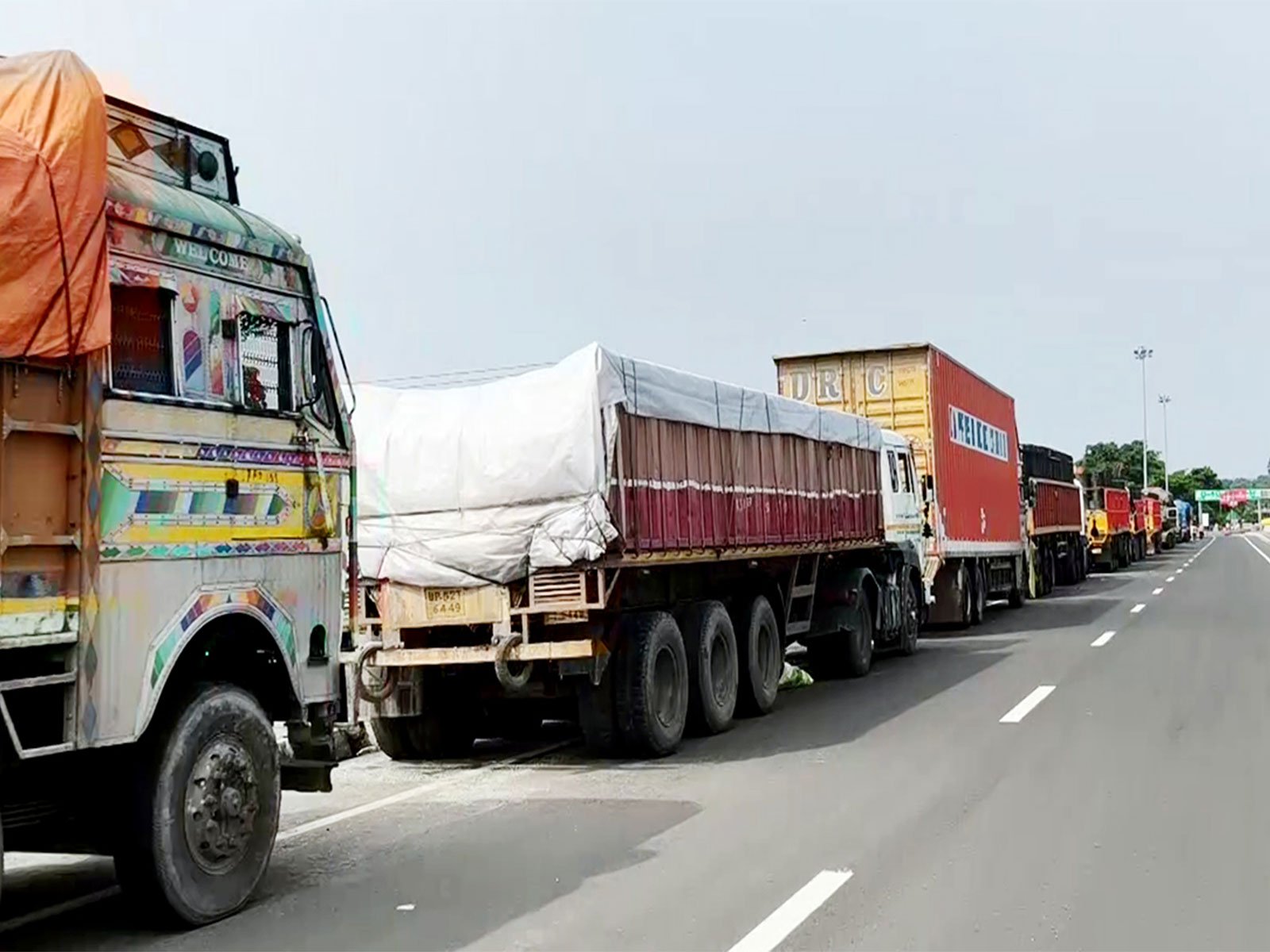
New Delhi, April 14, 2026:
India’s commercial vehicle (CV) industry will likely grow steadily over the coming years. A recent report by Yes Securities highlights strong demand driven by replacement needs, infrastructure expansion, and regulatory changes.
MHCV Segment to Drive Growth
The Medium and Heavy Commercial Vehicle (MHCV) segment will lead industry growth through FY27-28. The report projects a 6–8% CAGR in volumes during this period. Industry volumes may stabilise by FY31-32.
An ageing fleet is a major growth factor. Nearly 42% of commercial vehicles are 8.5 to 10 years old. This equals about 2 million vehicles that need replacement soon. Fleet owners will likely upgrade their vehicles, which will boost demand.
Key Factors Supporting Growth
Several factors will push growth in the near and mid-term:
- Companies delayed vehicle purchases due to GST-related price changes
- The government has started releasing funds for infrastructure projects
- A low base in early FY27 will support higher growth rates
- Dealers are operating with low inventory levels
These factors will encourage new purchases and increase production.
Infrastructure and Policy Push
Infrastructure development continues to drive demand. Sectors like construction, mining, and logistics require heavy vehicles. As activity increases, demand for trucks and tippers will rise.
The upcoming BS7 emission norms, expected by 2028, will also impact the market. These norms may increase vehicle prices by 10–12%. Fleet operators may buy vehicles early to avoid higher costs. This trend will support sales before FY28.
Fleet Utilization Improves
Fleet utilisation has improved significantly. It now stands at 70–75%, compared to 53–55% earlier. This rise shows strong freight demand and better efficiency.
Higher utilisation encourages fleet owners to expand their operations. As a result, they invest in new vehicles. This directly supports market growth.
Diesel Prices and Market Impact
Rising diesel prices remain a concern. However, the report shows that fuel prices have not significantly affected demand over the past 15 years. Most transport contracts include fuel cost pass-through clauses.
Still, higher fuel prices can affect buyer sentiment. Fleet owners may delay purchases temporarily. The industry can handle diesel prices up to ₹120–125 per litre, but sudden spikes may slow decisions.
At the same time, companies are improving fuel efficiency. New technologies help reduce fuel consumption. This lowers the overall impact of rising diesel prices.
Profitability Across Segments
The Heavy Commercial Vehicle (HCV) segment delivers the highest margins. Tippers, used in construction and mining, remain especially profitable.
Manufacturers can improve margins by 1–1.5% through:
- Cost optimization
- Localization of components
- Development of lighter vehicles
The Light Commercial Vehicle (LCV) segment will grow steadily. LCVs serve last-mile delivery and urban logistics. These vehicles face less volatility compared to heavy vehicles.
India’s commercial vehicle industry shows strong growth potential. Replacement demand, infrastructure development, and regulatory changes will drive the market.
Short-term challenges like fuel price fluctuations may affect sentiment. However, the industry has shown resilience in the past. Strong fundamentals will continue to support growth through FY28 and beyond.
Manufacturers, investors, and stakeholders can remain optimistic about the sector’s future.
About The Author