
India Sends 13 Tonnes of BCG Vaccines to Afghanistan to Boost Child Immunisation Against Tuberculosis
 admin
admin 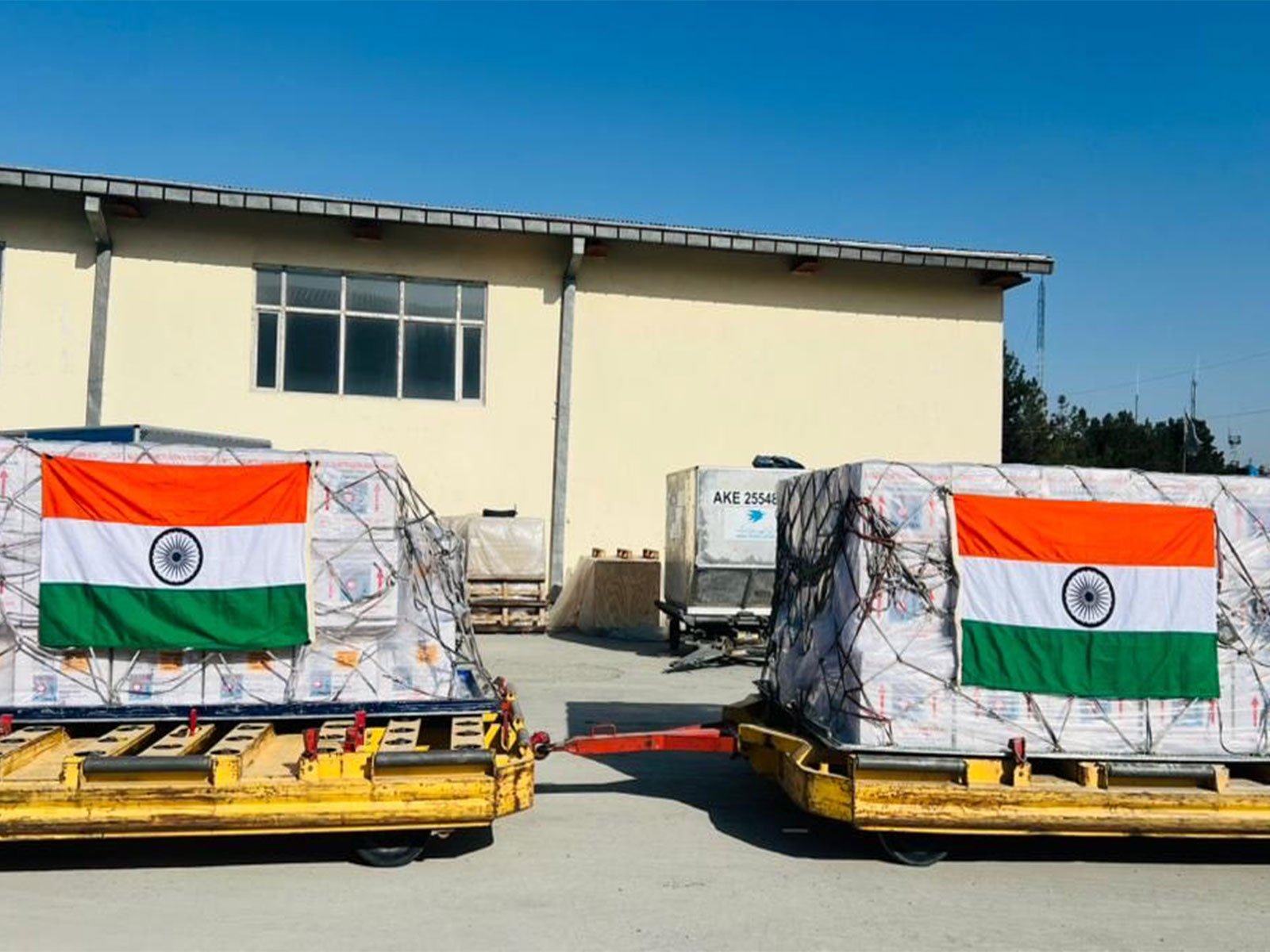
New Delhi/Kabul, April 14, 2026: In a strong humanitarian gesture, India has delivered 13 tonnes of Bacille Calmette-Guérin (BCG) vaccines along with essential dry supplies to Afghanistan to support its child immunisation programme against tuberculosis.
The development was confirmed by Randhir Jaiswal, spokesperson of India’s Ministry of External Affairs, who shared the update on social media platform X.
India Strengthens Afghanistan’s Immunisation Programme
According to the Ministry of External Affairs, the vaccine consignment has been handed over to Afghanistan’s Ministry of Public Health to strengthen its efforts in protecting children from tuberculosis.
In his official statement, Randhir Jaiswal said:
“India delivers 13 tonnes of BCG vaccines and related dry material to augment Afghanistan’s child immunisation programme against tuberculosis.”
This initiative aims to improve vaccination coverage among children, particularly in vulnerable and underserved regions.
Importance of BCG Vaccine in Child Health
BCG vaccine is a critical vaccine administered to infants to protect them from severe forms of tuberculosis (TB), a disease that continues to pose a major health risk in many developing countries.
Key Benefits of BCG Vaccine:
- Prevents severe TB infections in children
- Reduces infant mortality rates
- Strengthens early immunity
- Supports long-term public health outcomes
Therefore, timely access to BCG vaccines plays a vital role in safeguarding child health.
Continued Humanitarian Support from India
India has consistently extended humanitarian assistance to Afghanistan, especially during times of crisis. Even after natural disasters such as floods and earthquakes, India has stepped forward to provide relief materials and medical support.
Earlier this month, India supplied:
- Kitchen sets and hygiene kits
- Plastic sheets and tarpaulins
- Sleeping bags and essential relief materials
These efforts underline India’s commitment to supporting the Afghan people during challenging times.
Afghanistan’s Healthcare Challenges
Afghanistan continues to face significant challenges in its healthcare system, including:
- Limited access to vaccines and medicines
- Inadequate healthcare infrastructure
- Shortage of trained medical personnel
- Difficult terrain affecting service delivery
As a result, international assistance remains crucial for maintaining essential health services, particularly for children.
India’s vaccine support will help bridge critical gaps in immunisation coverage across the country.
Collaboration with Global Health Organisations
The vaccine delivery also involved coordination with global organisations such as the World Health Organization and UNICEF.
These organisations play a key role in:
- Supporting immunisation campaigns
- Ensuring proper vaccine distribution
- Strengthening healthcare systems
Such collaboration enhances the effectiveness and reach of humanitarian efforts.
India’s Role as a Global Health Leader
India has earned global recognition as a leading supplier of vaccines and medicines. Often referred to as the “pharmacy of the world,” India has supported numerous countries through medical diplomacy.
Key contributions include:
- Vaccine exports to developing nations
- Emergency medical aid during crises
- Support for global immunisation programmes
Consequently, India continues to play a pivotal role in strengthening global health security.
Impact of Natural Disasters in Afghanistan
Afghanistan has recently faced severe natural disasters, including floods and earthquakes, which have further strained its already fragile infrastructure.
According to reports:
- 131 houses were completely destroyed
- 650 houses were partially damaged
- Over 3,000 jeribs of agricultural land were affected
These disasters have disrupted livelihoods and increased the need for humanitarian assistance, including healthcare support.
Political Developments and Global Context
Meanwhile, Afghanistan has raised concerns over recent sanctions imposed by the United Nations Security Council. The Afghan government has criticized the sanctions regime, calling it ineffective and harmful to ordinary citizens.
Spokesperson Zabihullah Mujahid stated that such measures fail to achieve their intended goals and instead impact broader society.
The comments followed updates to the sanctions list under the UNSC’s 1988 Sanctions Committee, which revised details for several senior Taliban leaders.
Strengthening India-Afghanistan Relations
India’s continued assistance reflects its longstanding relationship with Afghanistan. Despite political and economic challenges, India has maintained its support through:
- Development projects
- Medical aid
- Educational initiatives
- Infrastructure assistance
Such efforts not only address immediate needs but also contribute to long-term stability and development.
Focus on Child Welfare and Future Development
By prioritizing child immunisation, India is investing in the future of Afghanistan. Healthy children are essential for building a strong and resilient society.
This initiative will:
- Protect vulnerable populations
- Reduce disease burden
- Improve public health outcomes
- Support sustainable development goals
Therefore, the impact of this vaccine delivery will extend beyond healthcare into broader social and economic progress.
India’s delivery of 13 tonnes of BCG vaccines to Afghanistan marks a significant step in strengthening child immunisation efforts and addressing critical healthcare needs. At a time when Afghanistan faces multiple challenges, this humanitarian support provides much-needed relief and hope.
Moreover, the initiative highlights India’s commitment to global health, regional cooperation, and humanitarian values. As both nations continue to engage, such efforts will play a crucial role in building a healthier and more stable future.
About The Author