
 admin
admin 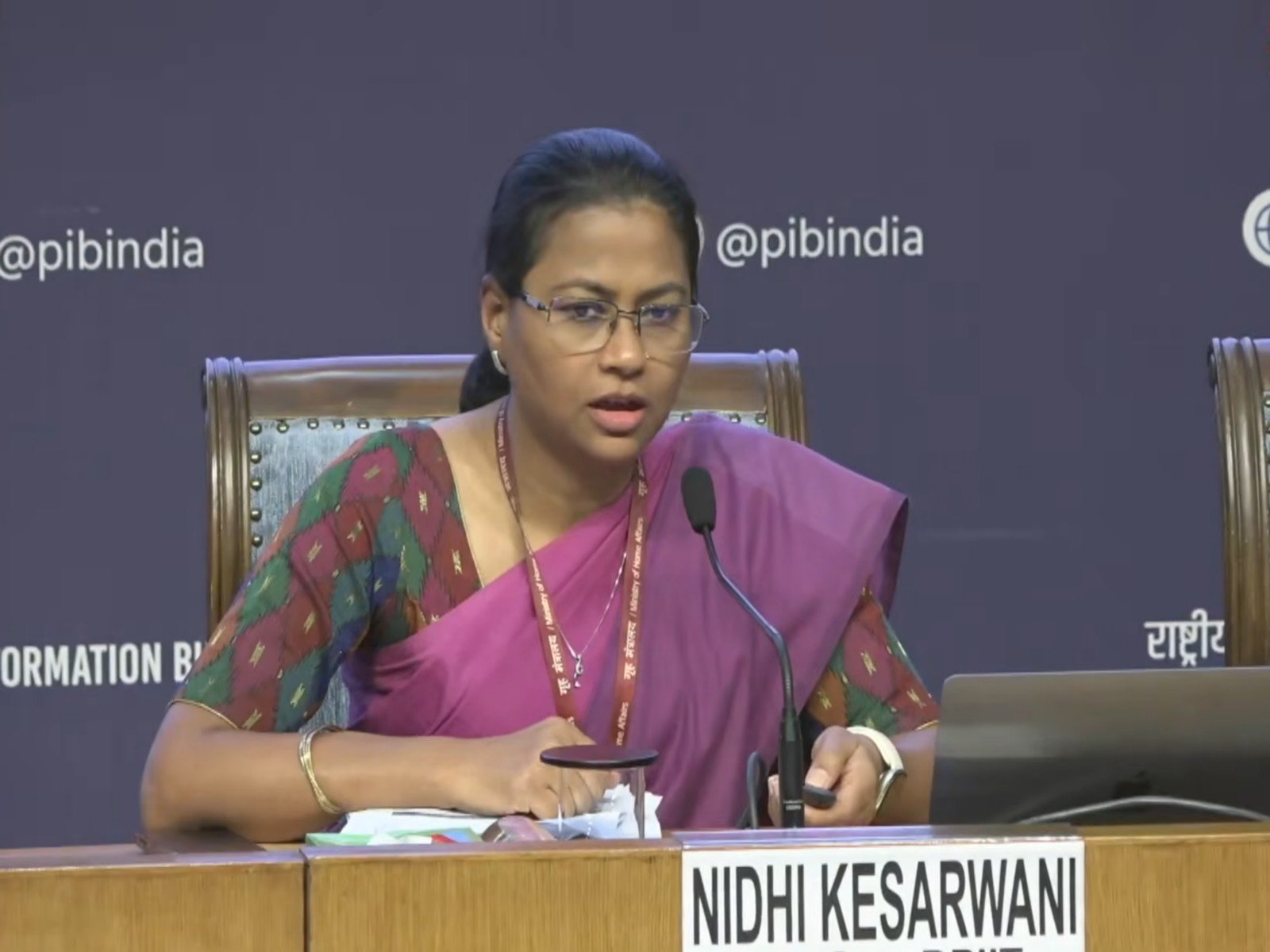
DPIIT rolls out regulatory relaxations across sectors to ensure uninterrupted supply of fuel, gas, and raw materials, boosting India’s industrial supply chains.
New Delhi: Government Acts to Stabilize Industrial Supply Chains
The Department for Promotion of Industry and Internal Trade (DPIIT) has introduced a series of multi-sectoral regulatory relaxations aimed at ensuring the uninterrupted supply of fuel, gas, and essential raw materials across industries in India.
The announcement was made during an inter-ministerial briefing, where officials highlighted key reforms designed to strengthen supply chain resilience amid rising industrial demand.
Faster Licensing and Fuel Supply Support
According to Nidhi Kesarwani, Joint Secretary at DPIIT, several measures have been implemented under the Petroleum and Explosive Safety Organisation (PESO) to streamline approvals and improve efficiency.
Key highlights include:
- 467 applications processed for CNG and CBG stations since late March
- Approval turnaround time reduced to less than 10 days
- 157 final licenses issued and 38 prior approvals granted
These steps are expected to significantly boost India’s fuel infrastructure and ensure smoother distribution.
Kerosene Storage Relaxation & Export Ban Measures
To support fuel logistics and last-mile delivery, the government has:
- Allowed temporary storage of kerosene up to 2,500 litres
- Granted a one-time relaxation of 5,000 litres for PDS kerosene
- Imposed a ban on ammonium nitrate exports to secure domestic supply
These measures aim to prevent shortages and maintain stability in essential resources.
Relief Measures for Manufacturing Sector
The DPIIT has also extended regulatory flexibility to the manufacturing sector:
- Temporary 3-month extensions for boiler certifications under the Boilers Act
- Extensions for Quality Control Orders (QCO) for induction cooktops
These steps are intended to help industries maintain operations despite supply chain disruptions.
Customs Duty Cuts to Boost Key Industries
Significant fiscal relief has been provided across multiple sectors:
- Zero Basic Customs Duty (BCD) on inputs like EVA and polymers
- Relaxation of duties on chemicals used in the tyre industry
- Increased industrial LPG allocation in the paint sector from 50% to 70%
These changes aim to reduce production costs and sustain industrial output.
Gas Supply Support for Glass & Ceramic Industries
To address fuel supply challenges:
- PNG supply ensured at 80% of previous consumption levels
- Special interventions in Morbi’s ceramic hub to fix supply gaps
- Introduction of District Pressure Regulating Skids and cryogenic LNG cylinders for remote areas
These initiatives will help industries maintain continuous operations, especially in energy-intensive sectors.
Government’s Strategic Focus
The DPIIT’s coordinated approach reflects a strong push toward:
- Supply chain resilience
- Industrial growth stability
- Energy security
- Ease of doing business
The measures are expected to benefit sectors including leather, footwear, paint, glass, ceramics, and tyres, ensuring consistent production and reduced disruptions.
With these multi-sector reforms, the government is taking proactive steps to strengthen India’s industrial backbone. By ensuring uninterrupted access to fuel, gas, and raw materials, DPIIT is laying the foundation for sustained economic growth and supply chain stability.
About The Author