
 admin
admin 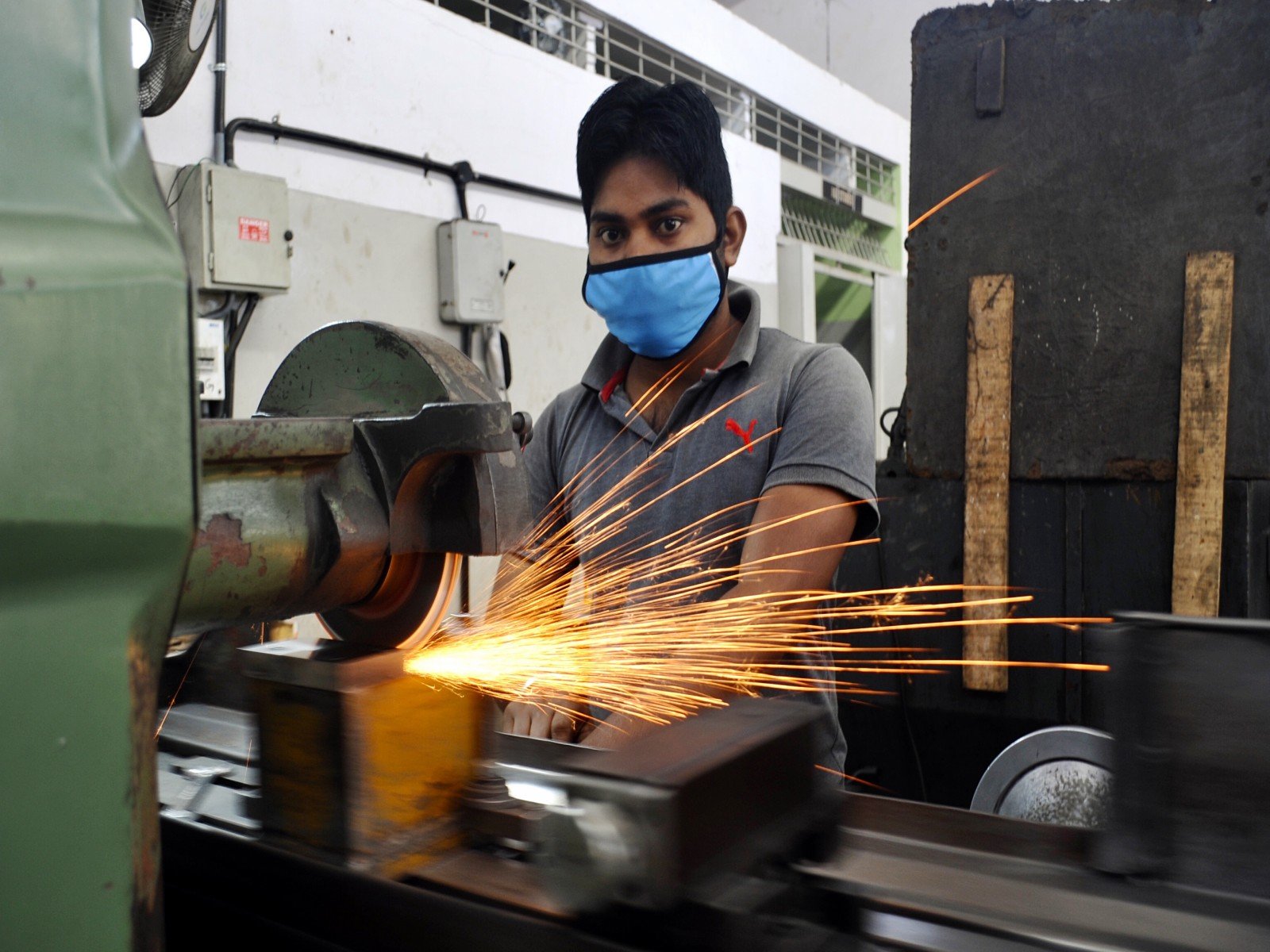
Faridabad (Haryana), April 14, 2026: The Haryana government has officially revised the minimum wages for workers across the state, with the new rates coming into effect from April 1, 2026. The announcement was confirmed by the office of the Deputy Commissioner of Faridabad, stating that the move will benefit thousands of workers across multiple sectors.
The revised wage structure covers unskilled, semi-skilled, and skilled labourers, aiming to improve their financial stability and standard of living.
Revised Minimum Wages to Benefit Workers
According to the official notification, the updated wage rates have been implemented across Haryana and are expected to positively impact a large number of workers.
The Deputy Commissioner’s office stated:
“The new applicable rates are effective from April 1, 2026, which will directly benefit thousands of unskilled, semi-skilled, and skilled workers.”
This step reflects the government’s focus on worker welfare and economic inclusivity.
Significant Hike in Wages for Unskilled Workers
Earlier, on April 8, Haryana Chief Minister Nayab Singh Saini announced a major increase in the minimum wage for unskilled workers.
Key Change:
- Previous wage: ₹11,257 per month
- Revised wage: ₹15,220 per month
This substantial increase aims to help workers cope with rising living costs and improve their financial security.
Moreover, the decision was taken after recommendations from an expert committee and approved by the state cabinet.
Coverage Across Worker Categories
The revised wage structure is not limited to unskilled labourers. It also includes:
- Semi-skilled workers
- Skilled workers
- Workers across various industries
As a result, the policy ensures broader coverage and equitable benefits across different segments of the workforce.
Focus on Labour Welfare and Economic Growth
The Haryana government’s decision aligns with its broader strategy to enhance labour welfare while supporting economic growth.
Higher wages are expected to:
- Improve workers’ purchasing power
- Boost local economic activity
- Enhance productivity and job satisfaction
Consequently, the wage revision could have a positive ripple effect on the state’s economy.
Women Empowerment Initiatives Announced
Alongside the wage hike, the Haryana government has also introduced measures to promote women’s participation in economic activities.
Chief Minister Nayab Singh Saini announced:
- 33% reservation for women in the allocation of ration depots under the Public Distribution System (PDS)
This initiative aims to empower women and provide them with sustainable livelihood opportunities.
Special Priority for Vulnerable Women
The government has also decided to prioritize certain categories of women in these allocations, including:
- Acid attack survivors
- Widows
- Women associated with self-help groups
Additionally, schemes like Lakhpati Didi and Namo Drone Didi are being promoted to encourage women’s active participation in development.
These efforts highlight the state’s commitment to inclusive growth and social empowerment.
Impact on Workers in Faridabad and Beyond
Faridabad, being a major industrial hub, is expected to see significant benefits from the revised wage structure.
Workers in manufacturing, construction, and service sectors will directly gain from:
- Increased monthly income
- Better financial stability
- Improved living conditions
Furthermore, the policy will extend benefits across other districts in Haryana as well.
Strengthening Social and Economic Security
The revised minimum wages are a step toward strengthening social security for workers. With rising inflation and cost of living, such measures are essential to ensure fair compensation.
Additionally, the move reinforces:
- Government accountability towards labour welfare
- Commitment to equitable economic policies
- Focus on inclusive development
A Step Towards Inclusive Development
By combining wage reforms with women empowerment initiatives, the Haryana government is taking a holistic approach to development.
The dual focus on:
- Economic upliftment of workers
- Social empowerment of women
ensures that growth is inclusive and sustainable.
The revision of minimum wages in Haryana marks a significant step toward improving the livelihoods of workers across the state. With higher wages and supportive policies, thousands of labourers are set to benefit from increased financial security.
At the same time, initiatives like women’s reservation in ration depots further strengthen the state’s commitment to inclusive growth. As these policies take effect, Haryana is expected to witness positive changes in both economic and social sectors.
About The Author