

India’s Biggest Long-Term Challenge Is Job Creation and Demographic Dividend Utilisation: Bank of America’s Rahul Bajoria Warns
 admin
admin 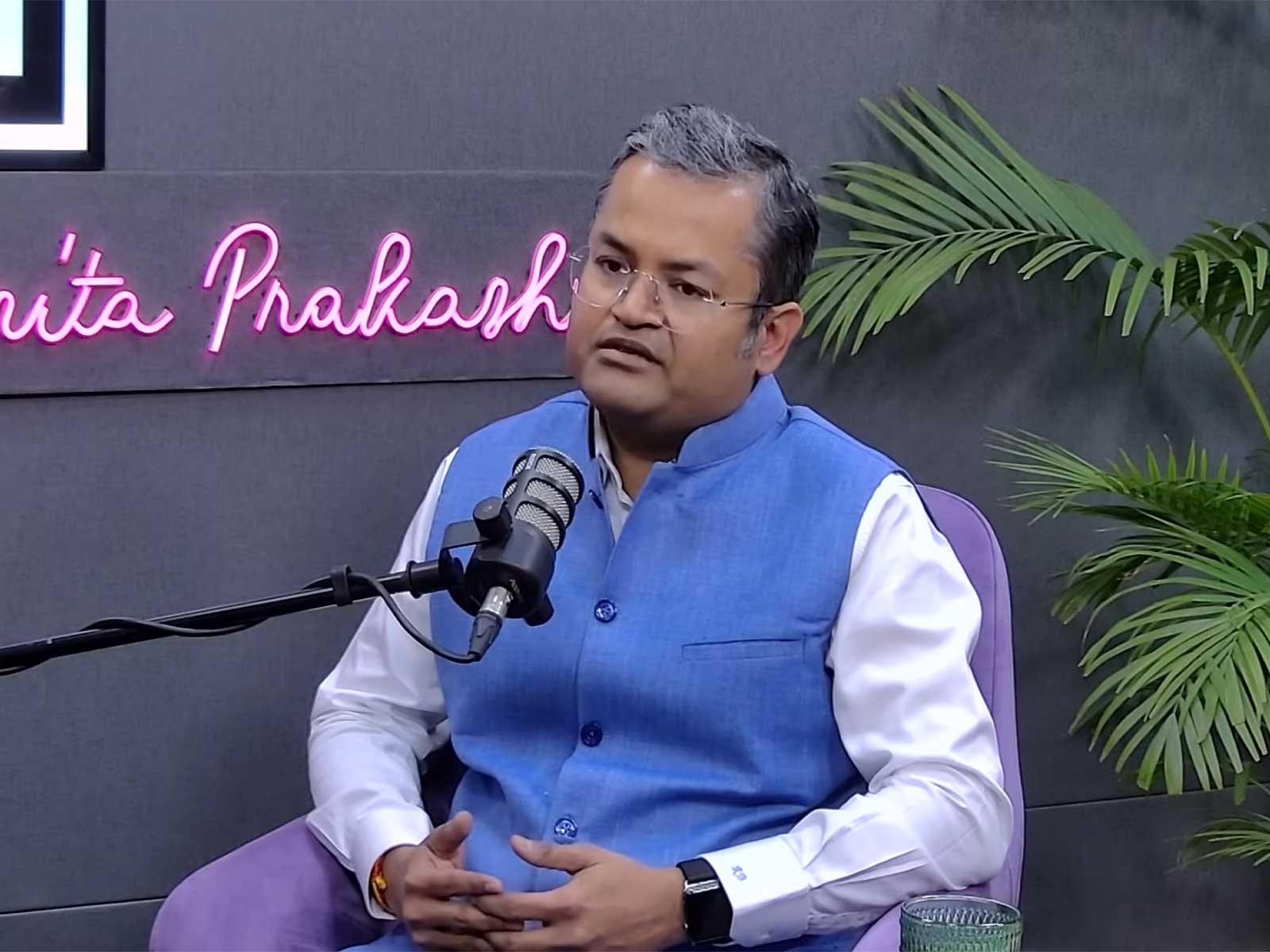
New Delhi, July 1 (ANI): India’s most significant long-term economic challenge lies in generating productive employment opportunities and effective India job creation, while fully harnessing its demographic dividend, according to Rahul Bajoria, Managing Director and Head of India and ASEAN Economic Research at Bank of America.
Speaking to ANI, Bajoria emphasised that although India continues to show strong macroeconomic growth, the real test lies in converting that growth into large-scale India job creation that is productive, inclusive, and sustainable.
Job Creation Remains India’s Core Structural Challenge
Highlighting persistent labour market concerns, Bajoria said India job creation remains the defining structural challenge for the economy.
“I think the biggest conversation point is job creation. This is the problem of our times,” he noted.
He added that despite decades of growth, India still struggles to generate high-quality employment, often concentrated in informal and low-productivity sectors.
Underemployment and Weak Labour Absorption
Bajoria stressed that underemployment is a deeper issue than unemployment, directly impacting the effectiveness of India job creation efforts.
“By and large, the challenge is really of underemployment,” he said, pointing out that many workers remain trapped in low-income, low-productivity roles.
This structural imbalance continues to limit the impact on income growth and economic mobility.
Demographic Dividend and Limited Time Window
A key concern raised was India’s limited timeframe to fully benefit from its young population. Bajoria noted that effective India job creation is critical to utilising the demographic dividend.
“We have a window of 15–17 years to get this right,” he warned.
Failure to accelerate India job creation could result in missed economic potential as the population gradually ages.
Need for Coordinated Action
Bajoria called for a coordinated “all-hands approach” involving government, private sector, and households to strengthen India job creation.
“We need to make this work over the next 10 to 15 years,” he said.
He emphasised that sustainable India job creation requires collaboration across sectors rather than isolated policy efforts.
Women’s Participation in Workforce
Another key pillar of improving India job creation is increasing female labour force participation.
“Employing young women and bringing them into the labour force is the challenge of our times,” he said.
Expanding participation would significantly boost overall capacity and economic output.
AI Disruption and Future Jobs
Bajoria also highlighted artificial intelligence as both a challenge and opportunity for India job creation.
AI may disrupt existing roles but can also generate new types of employment if managed properly.
“It forces us to think about the next level of job creation,” he said.
Skills and Education Reform
He stressed the importance of upgrading education and skilling systems to support future India job creation.
“There is a strong reason to look at what we are teaching,” he said.
Aligning skills with industry needs will be essential for sustainable India job creation in a technology-driven economy.
Bajoria’s comments highlight that the future of India’s growth depends heavily on effective India job creation, better workforce participation, and readiness for technological change.
The next 15–17 years will be crucial in determining whether India successfully converts its demographic advantage into long-term prosperity through strong India job creation.
India job creation remains one of the most pressing structural challenges facing the country’s long-term economic future. Despite strong GDP growth, rising digital adoption, and expanding infrastructure, It has not kept pace with the scale of the workforce entering the labour market every year.
Experts warn that the core issue is not just unemployment, but the quality and productivity of India job creation, which continues to be concentrated in informal, low-paying, and low-skill sectors. This limits income growth and reduces the overall economic impact of the country’s demographic advantage.
A key concern highlighted by economists is that India job creation must accelerate significantly to fully utilise the demographic dividend. With a young population entering working age, India has a limited window of nearly 15–17 years to transform its labour market into a high-productivity ecosystem.
However, the challenge is not only numerical expansion of jobs but ensuring sustainable that aligns with skill development, technology adoption, and industrial growth. Without this balance, underemployment will continue to weaken the benefits of economic expansion.
Another major factor influencing India job creation is the rapid rise of automation and artificial intelligence. While AI is expected to create new opportunities in technology-driven sectors, it may also displace traditional roles, making it essential for India to adapt quickly.
Economists also stress that improving female workforce participation is critical for strengthening India job creation outcomes. Bringing more women into formal employment can significantly boost productivity and long-term growth potential.
Education and skilling reforms are equally important. Aligning academic curricula with industry demands will ensure that future is more aligned with evolving global job markets, especially in IT, manufacturing, and services sectors.
Ultimately, the future of India’s economic success depends heavily on how effectively the country addresses India job creation challenges today. If managed strategically, India can convert its demographic advantage into sustained prosperity; if not, the opportunity window may narrow significantly in the coming decades.
About The Author