
 admin
admin 
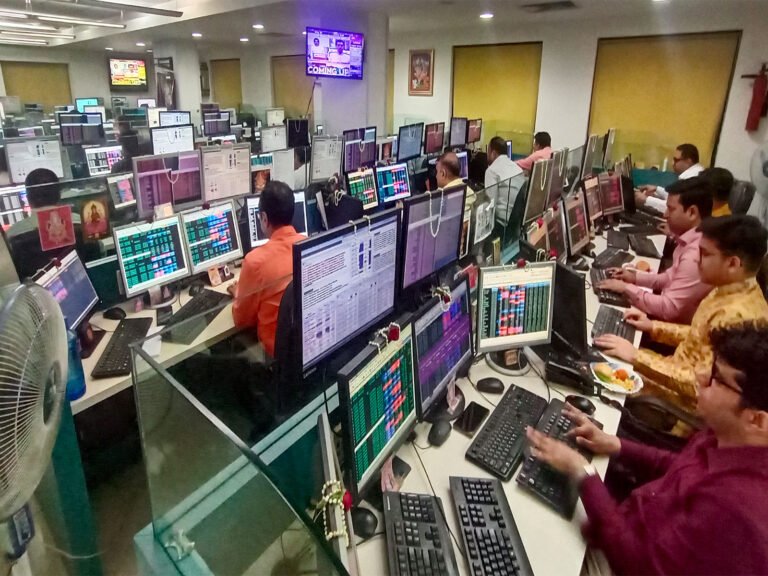
The Indian stock market started Friday’s trading session on a cautiously positive note as benchmark indices opened with gains but struggled to maintain the early momentum. Investors remained careful due to increasing crude oil prices, global market uncertainty, and concerns over rising bond yields.
The Sensex opened at 77,701.07 compared to its previous closing level of 77,537.72, gaining more than 160 points during the initial trade. Meanwhile, the Nifty opened at 24,284.05 against the previous close of 24,231.85. However, selling pressure emerged soon after opening, causing both indices to slip into negative territory.
At the latest update, Nifty was trading near 24,221.35, down around 10.50 points or 0.04%, while Sensex traded near 77,493.20, declining approximately 44.52 points or 0.06%.
The Indian stock market witnessed mixed movement across sectors, with broader market indices mostly trading under pressure. Investors preferred a cautious approach as global economic factors continued influencing domestic sentiment.
Sector Performance in Indian Stock Market
In the early session, banking and metal stocks provided some support to the Indian stock market. Private banks and metal companies attracted buying interest, helping limit the downside movement.
On the National Stock Exchange (NSE), major gainers included Kotak Mahindra Bank, Hindalco Industries, HDFC Bank, Tata Steel, Power Grid Corporation, Coal India, Eicher Motors, Axis Bank, Bajaj Finance, NTPC, and ONGC.
On the other hand, technology and consumer stocks witnessed selling pressure. Companies such as TCS, Titan, Grasim Industries, Infosys, HCL Technologies, IndiGo, Larsen & Toubro, JSW Steel, and ITC remained among the major losers.
On the Bombay Stock Exchange (BSE), banking stocks including Kotak Bank, HDFC Bank, Axis Bank, State Bank of India, ICICI Bank, and Tata Steel performed positively. However, TCS, HCL Tech, Hindustan Unilever, M&M, ITC, Reliance Industries, Larsen & Toubro, and Tech Mahindra faced declines.
Global Market Impact on Indian Stock Market
Market experts believe global developments are playing an important role in shaping the direction of the Indian stock market. Asian markets remained defensive as investors reacted to rising bond yields and concerns about economic growth.
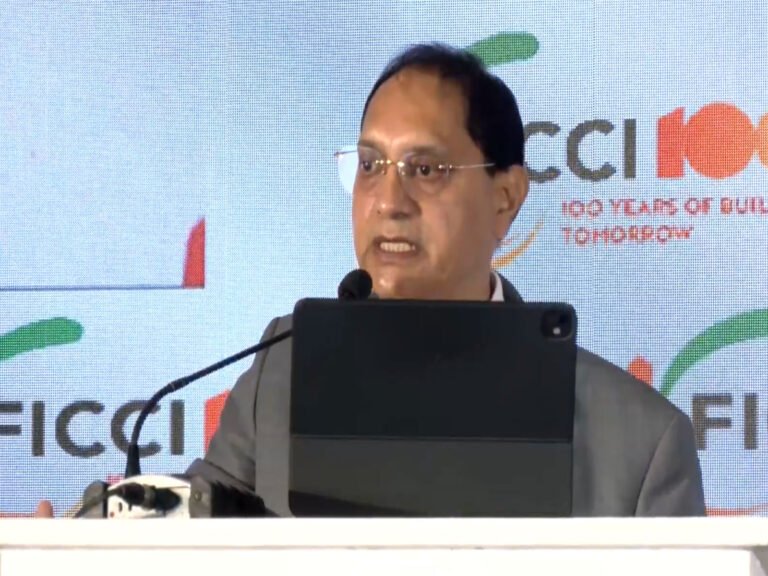
Market expert Ajay Bagga said Asian markets were impacted by overnight movements in global bond markets. According to him, investors remain cautious as higher yields and currency movements create uncertainty.
He highlighted that while some Asian markets witnessed strong recovery recently, increasing yields could limit further gains. The rebound in global equities remains fragile due to inflation concerns and monetary policy expectations.
The Indian stock market is also monitoring international developments, especially movements in US markets, crude oil prices, and foreign investor activity.
Rising Crude Oil Prices Create Pressure
Crude oil prices remained a major concern for investors. Brent crude was trading around USD 93.42 per barrel, while crude oil prices were near USD 86.37 per barrel during the reporting period.
Higher oil prices can impact inflation levels and increase pressure on monetary policy decisions. For India, which imports a significant amount of crude oil, rising energy costs can affect corporate margins and economic growth.
Analysts believe the Indian stock market may continue facing volatility if crude oil prices remain elevated for a longer period.
Expert View on Market Trend
Market analyst Vipin Dixena stated that the market entered the session with a cautiously positive outlook but warned investors against considering the current recovery as a confirmed trend reversal.
According to Dixena, crude oil prices near $94 and global bond market pressure remain important challenges for investors.
He identified 24,300-24,400 as a crucial resistance zone for Nifty. A sustained movement above 24,400 could push the index towards 24,500 levels. However, 24,000 remains an important support area.
Dixena believes the current movement should be considered a recovery phase within a broader consolidation trend rather than the beginning of a strong upward rally.
Banking and Metal Stocks Support Market
Despite overall weakness, banking and metal sectors helped the Indian stock market maintain stability. Strong performances from financial companies indicate continued investor interest in selected sectors.
Private banking stocks benefited from buying interest as investors looked for stability amid uncertain global conditions. Metal stocks also gained due to positive sector-specific factors.
However, technology stocks remained under pressure due to concerns surrounding global demand and international economic conditions.
Future Outlook for Indian Stock Market
The short-term outlook for the Indian stock market will depend on several factors, including crude oil movement, global bond yields, foreign institutional investor flows, and upcoming economic data.
Experts suggest investors should closely monitor Nifty’s resistance levels and avoid aggressive positions until clearer market signals emerge.
The Indian stock market is expected to remain volatile as domestic and global factors continue influencing investor decisions. While recovery signs are visible, challenges related to inflation and international uncertainty may limit immediate gains.
Investors should focus on quality stocks, strong fundamentals, and sector-specific opportunities while maintaining caution during periods of market fluctuations.
The coming sessions will be important for determining whether the Indian stock market can sustain recovery momentum or continue moving within a consolidation range.
About The Author