
 admin
admin 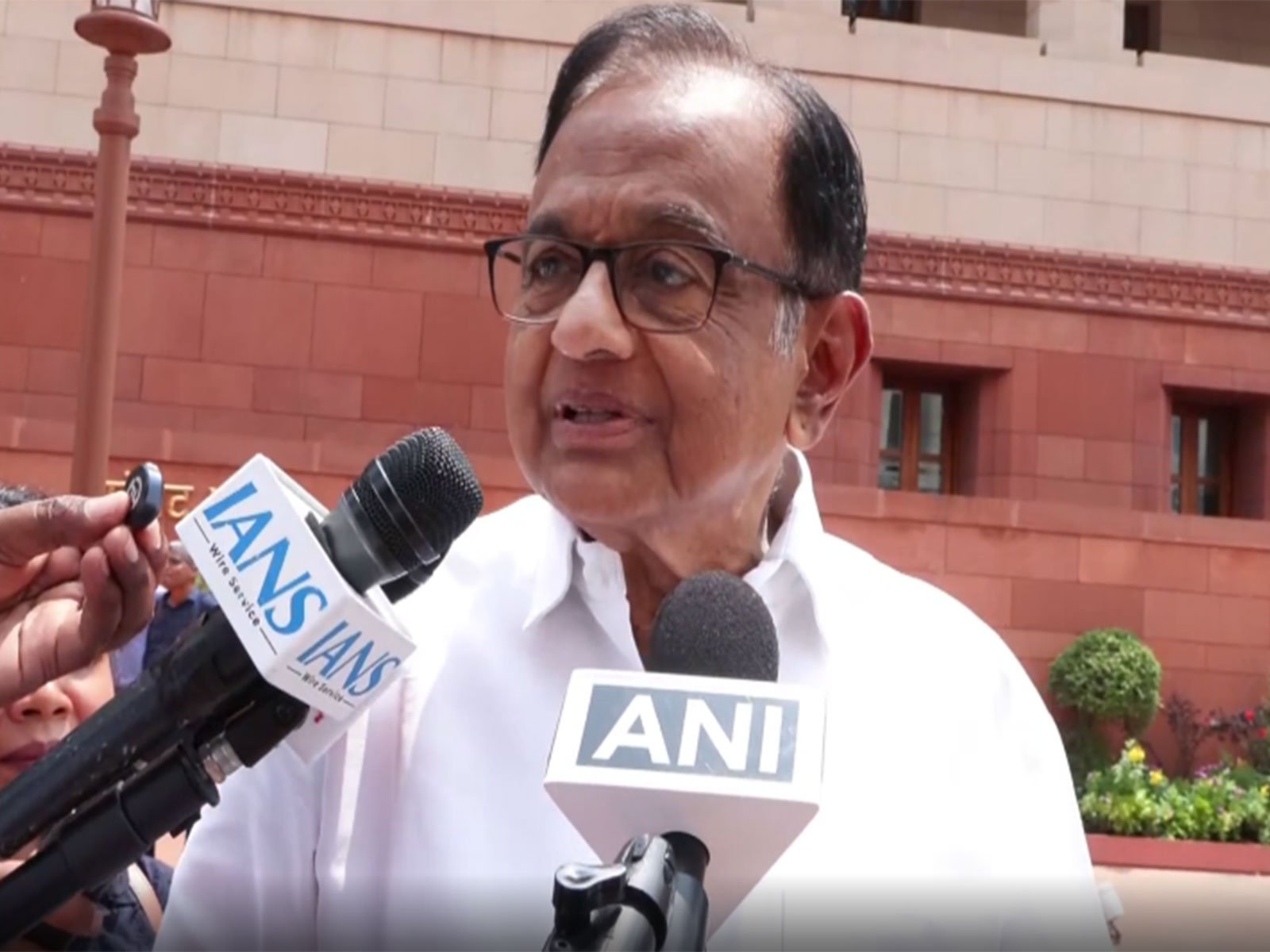
The Lok Sabha Delimitation Freeze debate has become a major political issue after senior Congress leader and Rajya Sabha MP P. Chidambaram supported the demand for maintaining the current strength of the Lok Sabha for the next 25 years. The Congress leader said that the existing 543 seats of the Lower House should remain unchanged and that Tamil Nadu’s 39 constituencies should continue with the same representation.
The demand for a Lok Sabha delimitation Freeze comes amid growing concerns among southern states that a fresh seat redistribution based on population figures could reduce their political representation. Leaders argue that states that successfully controlled population growth should not face disadvantages because of their efforts.
In a statement on social media platform X, P Chidambaram said that the Congress Working Committee and Tamil Nadu Legislative Assembly have taken a similar position on the Lok Sabha Delimitation Freeze issue. He stated that the number of Lok Sabha seats and the existing state-wise allocation should continue for another 25 years.
Lok Sabha Delimitation Freeze Demand Gains Political Support
The Lok Sabha Delimitation Freeze proposal has received support from several political leaders who believe that parliamentary representation should maintain balance between states. According to Chidambaram, Tamil Nadu has witnessed rare political unity on this matter, with different parties supporting the demand.
The discussion around the Lok Sabha Delimitation Freeze focuses on protecting the federal structure of India. Southern states have raised concerns that increasing seats only on the basis of population numbers may impact their voice in Parliament.
Supporters of the Lok Sabha Delimitation Freeze argue that population control policies were promoted by successive governments, and states that followed these policies should not lose representation. They believe that maintaining the current seat structure will ensure fair political participation.
Tamil Nadu Assembly Raises Concerns Over Delimitation Exercise
The Tamil Nadu Legislative Assembly recently passed a resolution opposing changes linked to the Lok Sabha Delimitation Freeze debate. The resolution requested the Union Government to maintain the existing 543 seats permanently and protect the current representation ratio among states.
The state government highlighted that any major changes in parliamentary seats through Lok Sabha Delimitation Freeze discussions could affect states that have successfully implemented population management programs.
The resolution also demanded that the representation balance between states should remain protected. Tamil Nadu leaders believe that the current formula provides stability and prevents regional imbalance in national politics.
Why Lok Sabha Delimitation Freeze Has Become a Major Issue
The demand for a Lok Sabha Delimitation Freeze has emerged because of concerns over the future distribution of parliamentary seats. Delimitation is the process of redrawing constituency boundaries and adjusting representation based on population changes.
While supporters of fresh delimitation believe that population growth should determine representation, opponents of the process argue that it may create unequal political consequences. The Lok Sabha Delimitation Freeze supporters believe that population-based redistribution could reward states with higher population growth while reducing the influence of states that controlled population numbers.
Political parties from southern India have repeatedly demanded safeguards during discussions about the Lok Sabha Delimitation Freeze. They argue that democratic representation should consider multiple factors, including population control efforts and federal balance.
Congress Stand on Lok Sabha Delimitation Freeze
The Congress party has supported women’s reservation but has opposed connecting it with the delimitation process. Party leaders believe that women’s reservation can be implemented without waiting for a major expansion of Lok Sabha seats.
P. Chidambaram’s support for the Delimitation Freeze reflects the Congress position that the existing parliamentary structure should continue for 25 years. He stated that increasing the number of seats without considering state contributions could create political imbalance.
The Opposition parties have also argued that the Lok Sabha Delimitation Freeze should be considered separately from women’s reservation implementation. They believe both issues should move forward independently.
Constitutional Amendment Bill and Seat Expansion Debate
The discussion around the Lok Sabha Delimitation Freeze became stronger after the introduction of the Constitution (131st Amendment) Bill, 2026. The proposed bill aimed to increase the strength of the Lok Sabha and accelerate the implementation of women’s reservation.
However, the bill failed to receive the required two-thirds majority in Parliament. As a result, the proposed expansion of seats connected with the Delimitation Freeze debate could not move ahead.
The government and opposition continue to discuss the future of parliamentary representation. While some leaders support increasing seats according to population changes, others demand a Lok Sabha delimitation to protect the existing political balance.
Future of Lok Sabha Delimitation Freeze Debate
The future of the Lok Sabha Delimitation Freeze issue is expected to remain an important topic in Indian politics. The debate involves questions about federalism, equal representation, population management, and democratic fairness.
Political parties supporting the Lok Sabha delimitation Freeze believe that maintaining the current 543-seat structure will protect the interests of states that have followed population control policies.
As discussions continue, the Union Government will have to consider different viewpoints regarding the Delimitation Freeze. The final decision could influence India’s parliamentary structure and the political representation of states for many years.
The Lok Sabha Delimitation Freeze demand has now become a key point in national political discussions, with leaders calling for a balanced approach that protects both democratic representation and federal principles.
About The Author