
Iran FM Abbas Araghchi Reveals Islamabad Talks Reviewed Conditions for Resuming Iran-US Negotiations
 admin
admin 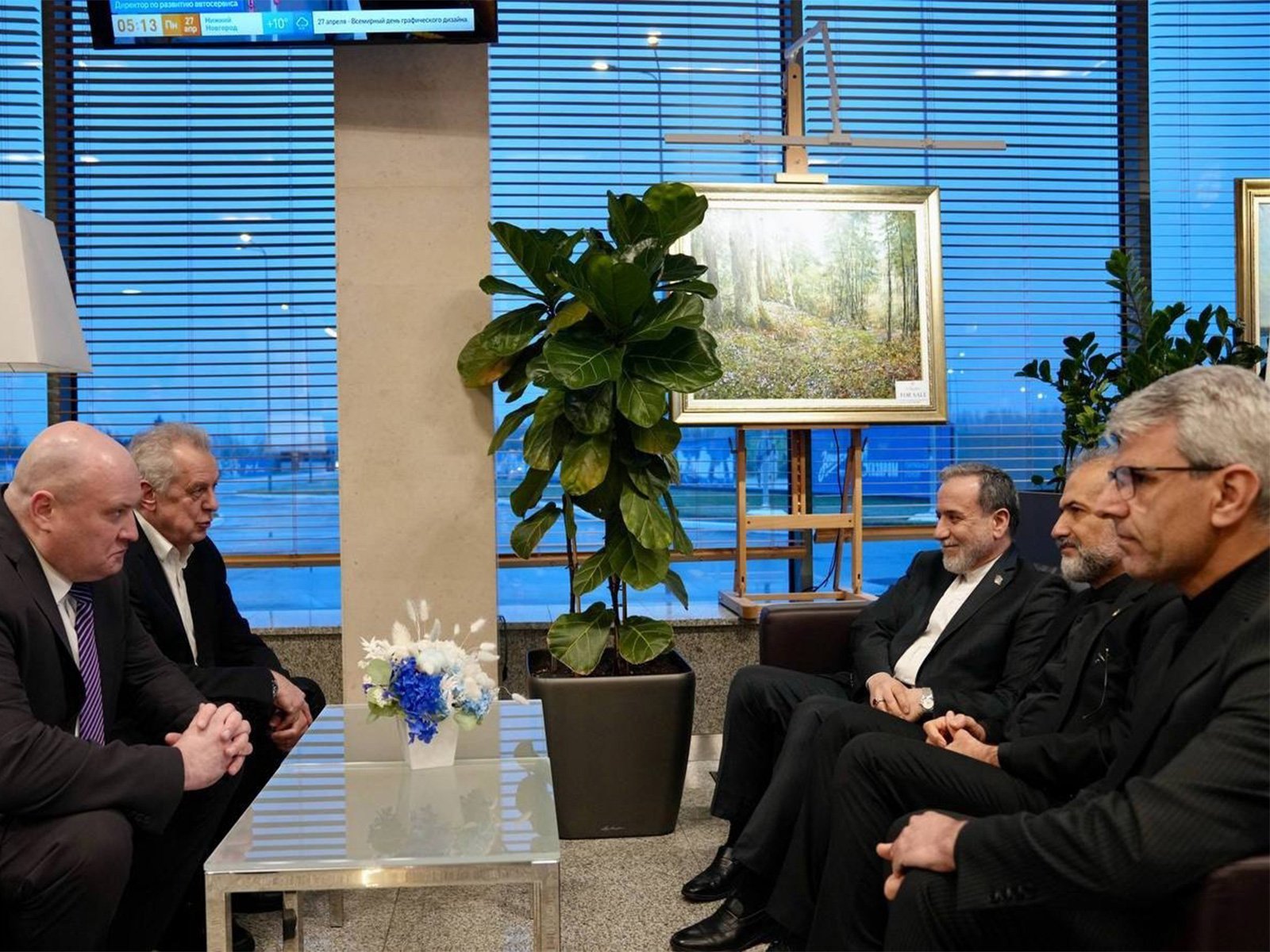
St Petersburg, Russia | April 27, 2026
Iran FM: In a significant diplomatic development amid rising tensions in West Asia, Abbas Araghchi, Iran FM, has revealed that recent discussions in Islamabad focused on evaluating the “specific conditions” under which negotiations between Iran and the United States could resume.
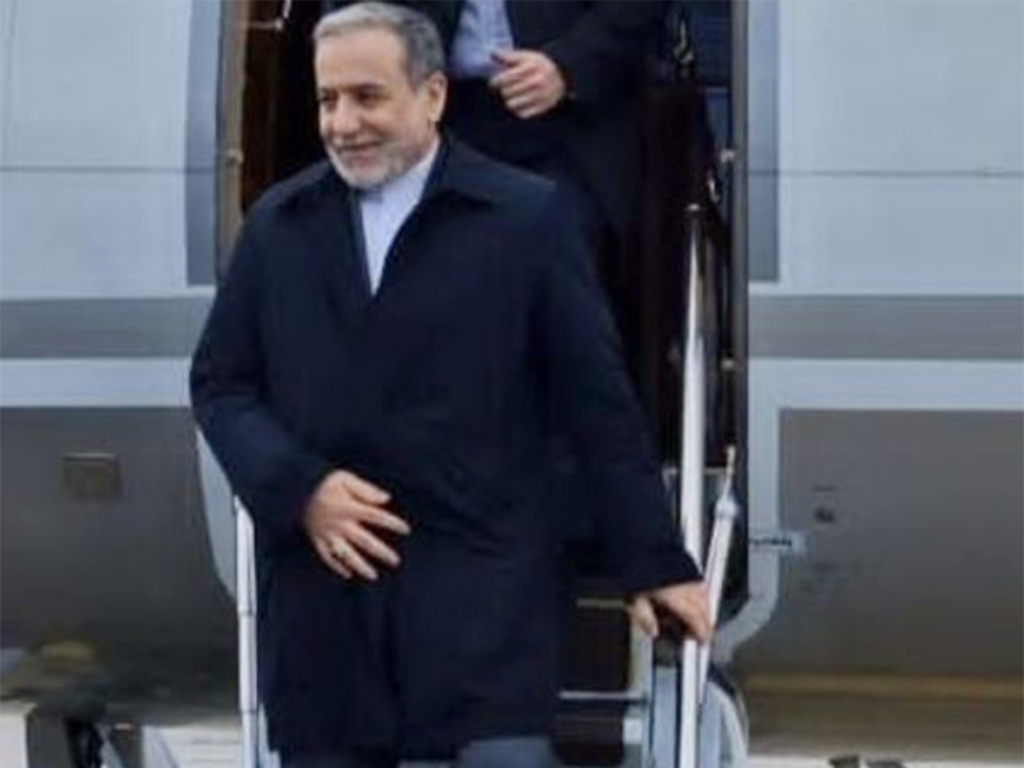
Speaking upon his arrival in St Petersburg, where he is scheduled to meet Russian President Vladimir Putin, Araghchi described his diplomatic engagements in Pakistan and Oman as “very productive,” highlighting a renewed push for dialogue and de-escalation in the region.
Islamabad Talks: A Step Toward Reviving Iran-US Dialogue
Iran FM: The Iran FM remarks confirm that Tehran is actively exploring pathways to restart stalled negotiations with Washington. According to Iran’s state media Islamic Republic News Agency, the Islamabad meetings involved detailed consultations with Pakistani officials.
Araghchi stated that both sides “reviewed past events” and assessed the conditions necessary for continuing negotiations with the United States. This indicates a cautious yet strategic approach, where Iran is re-evaluating its diplomatic stance before formally re-engaging with Washington.
Pakistan’s role as a mediator in these discussions underscores its growing importance in regional diplomacy, particularly in facilitating communication between conflicting parties.
Oman Talks Focus on Strait of Hormuz Security
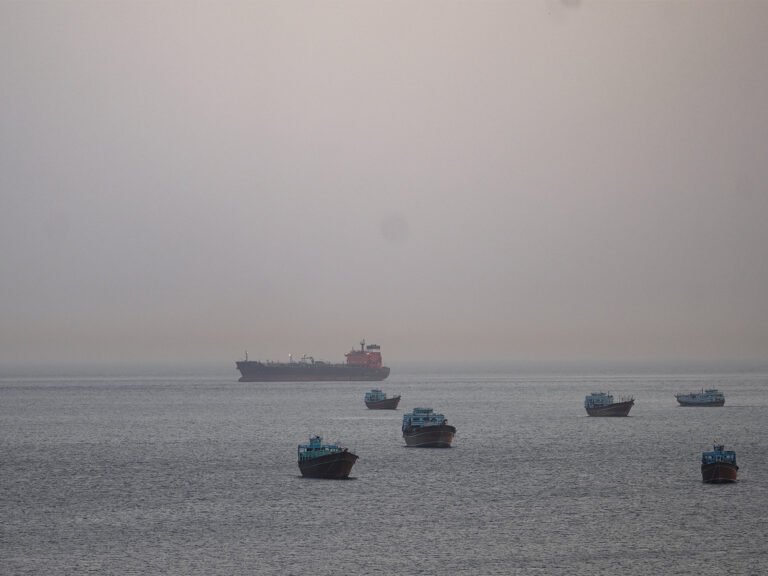
Following his visit to Islamabad, Iran FM Araghchi traveled to Muscat, Oman, where discussions centered on the security and stability of the strategically vital Strait of Hormuz.
He emphasized the importance of coordination between Iran and Oman, stating that both countries, as coastal states, share responsibility for ensuring safe passage through the waterway.
Why the Strait of Hormuz Matters:
- Handles nearly 20% of global oil trade
- Critical for global energy security
- Frequently impacted by geopolitical tensions
- Key strategic asset for regional powers
Araghchi highlighted that ensuring safe navigation in the Strait is not only a regional priority but also a global necessity.
Iran-Oman Alignment on Maritime Stability
Iran FM; The discussions in Oman revealed a “high degree of consensus” between Tehran and Muscat on maritime security issues. Both countries agreed to continue consultations at the expert level to maintain stability in the region.
This alignment reflects a broader regional effort to prevent escalation and ensure that critical trade routes remain operational.
By strengthening ties with Oman, Iran is reinforcing its influence over one of the world’s most important maritime corridors.
Russia Visit: Strengthening Strategic Partnerships
Iran FM Araghchi’s arrival in St Petersburg marks the next phase of Iran’s diplomatic outreach. His meeting with Vladimir Putin is expected to focus on:
- Regional conflict developments
- Ceasefire prospects
- Coordination on international issues
- Future diplomatic strategies
According to reports, the Iranian Foreign Minister expressed confidence that consultations with Russia would play a crucial role in shaping regional outcomes.
Russia remains one of Iran’s key allies, providing diplomatic support on global platforms such as the United Nations Security Council.
Symbolic Gesture: “Minab 168” Callsign
Adding a symbolic dimension to the visit, Araghchi’s flight to Russia carried the callsign “Minab 168,” commemorating victims of a recent military strike in southern Iran.
This gesture highlights Iran’s attempt to draw international attention to humanitarian concerns and strengthen its narrative in global diplomacy.
Iran-Russia Strategic Alignment
Iran FM: The partnership between Iran and Russia has deepened significantly in recent years. Both nations share common positions on several global issues, including opposition to Western-led sanctions and military interventions.
Iran’s Ambassador to Moscow, Kazem Jalali, emphasized that the two countries maintain regular high-level communication and coordination.
This cooperation has been particularly evident at the United Nations, where Russia has supported Iran by opposing resolutions perceived as unfavorable to Tehran.
US-Iran Talks: A Fragile Diplomatic Landscape
Iran FM: The potential resumption of Iran-US negotiations comes at a time of heightened uncertainty. Recent developments, including the cancellation of planned talks by Donald Trump, have complicated the diplomatic landscape.
Despite this setback, there are indications that both sides remain open to dialogue through indirect channels.
Iran’s strategy appears to involve:
- Engaging regional mediators
- Strengthening alliances with global powers
- Presenting new proposals for conflict resolution
Key Issues in Iran-US Negotiations
The discussions around resuming negotiations are expected to focus on several critical issues:
1. Nuclear Program
Iran’s nuclear activities remain a central point of contention, with Western nations seeking stricter controls.
2. Sanctions Relief
Tehran is pushing for the removal of economic sanctions that have significantly impacted its economy.
3. Maritime Security
Ensuring safe passage through the Strait of Hormuz is a shared concern.
4. Regional Stability
Both sides aim to reduce tensions and prevent further escalation in the Middle East.
Backchannel Diplomacy: The Hidden Negotiations
Iran FM: While official talks remain uncertain, backchannel diplomacy is playing a crucial role in maintaining communication between Iran and the United States.
Reports suggest that Iran has conveyed its “red lines” through intermediaries, outlining its key demands and conditions for negotiations.
These include:
- Control over strategic assets
- Protection of its nuclear program
- Guarantees against future military actions
Such indirect communication allows both sides to explore potential agreements without the pressure of formal negotiations.
Pakistan’s Role as a Mediator
Iran FM: Pakistan’s involvement in the diplomatic process highlights its strategic importance in the region. By facilitating communication between Iran and the United States, Islamabad is positioning itself as a key player in regional peace efforts.
The discussions in Pakistan reportedly included:
- A new legal framework for the Strait of Hormuz
- Removal of US blockades on Iranian ports
- Compensation mechanisms
- Security guarantees
This multi-dimensional approach reflects the complexity of the issues involved.
Iran FM: Global Implications of Iran’s Diplomatic Push
Iran’s intensified diplomatic activity has significant global implications:
Energy Markets
Any agreement affecting the Strait of Hormuz could impact global oil prices.
Geopolitical Stability
Successful negotiations could reduce tensions in the Middle East.
International Relations
The involvement of multiple countries highlights the interconnected nature of global diplomacy.
Economic Impact
Sanctions relief could reshape trade dynamics and economic partnerships.
Expert Analysis: Challenges Ahead
Despite the positive momentum, several challenges remain:
- Deep mistrust between Iran and the US
- Conflicting interests among global powers
- Domestic political pressures
- Risk of sudden escalation
Experts believe that while progress is possible, achieving a comprehensive agreement will require sustained effort and compromise.
Future Outlook: What Lies Ahead
Iran FM: The coming weeks will be critical in determining the direction of Iran-US relations.
Possible Scenarios:
- Resumption of Formal Talks
- Continued Backchannel Negotiations
- Partial Agreements on Specific Issues
- Renewed Tensions and Stalemate
The outcome will depend on the willingness of all parties to engage constructively.
A Renewed Push for Diplomacy
Iran FM Abbas Araghchi’s remarks on the Islamabad talks signal a renewed effort by Iran to explore diplomatic solutions to ongoing conflicts. By engaging with regional partners and global allies, Tehran is attempting to create a favorable environment for negotiations.
The focus on “specific conditions” for resuming talks with the United States highlights the complexity of the issues involved. However, it also indicates that dialogue remains a viable path forward.
As Iran continues its diplomatic outreach, the world will be watching closely to see whether these efforts can lead to meaningful progress and lasting peace in the region.
Deep Dive: What “Specific Conditions” Mean for Iran-US Negotiations
Iran FM: When Abbas Araghchi referred to reviewing “specific conditions” for resuming talks with the United States, it signals a highly structured and conditional diplomatic approach rather than an immediate return to negotiations.
These “conditions” are likely a combination of political, economic, and security guarantees that Iran considers essential before re-entering formal dialogue.
Key Conditions Iran May Be Evaluating:
- Sanctions Rollback Framework: A clear roadmap for lifting economic sanctions in phases
- Security Assurances: Guarantees against military strikes or covert operations
- Recognition of Sovereignty: Respect for Iran’s regional influence and strategic autonomy
- Nuclear Program Boundaries: Acceptance of peaceful nuclear activities under international monitoring
This approach reflects Iran’s attempt to negotiate from a position of strength, ensuring that any future agreement is sustainable and enforceable.
Diplomatic Strategy: Why Iran Is Using Regional Mediators
Iran’s engagement with countries like Pakistan and Oman highlights a deliberate shift toward regional diplomacy. Instead of direct confrontation or immediate bilateral talks with Washington, Tehran is building a network of diplomatic support says Iran FM.
Advantages of This Strategy:
- Reduces direct political pressure from the US
- Allows for indirect communication channels
- Builds regional consensus before global negotiations
- Strengthens Iran’s bargaining power
By involving multiple stakeholders, Iran is ensuring that any future agreement has broader regional backing, making it more durable.
Strategic Importance of the Strait of Hormuz in Negotiations
Iran FM: The Strait of Hormuz remains one of the most critical bargaining chips in Iran’s diplomatic toolkit. Control and security of this waterway are central to global energy supply chains says Iran FM.
Why It’s a Key Negotiation Point:
- Nearly one-fifth of the world’s oil passes through it
- Any disruption impacts global oil prices instantly
- It gives Iran significant geopolitical leverage
- It is directly linked to maritime security discussions
Iran’s emphasis on a “new legal regime” for the Strait suggests that it is seeking to formalize its role and influence in managing this crucial route.
Iran’s Three-Layer Diplomatic Model
Iran’s recent moves indicate a three-layer diplomatic model designed to maximize outcomes:
1. Regional Layer
Engagement with neighboring countries like Oman and Pakistan to build consensus.
2. Strategic Allies Layer
Coordination with global powers such as Russia to strengthen diplomatic backing.
3. Indirect Global Layer
Backchannel communication with the United States through intermediaries.
This layered strategy allows Iran to operate on multiple fronts simultaneously, increasing its chances of achieving favorable outcomes.
Backchannel Communication: The Silent Negotiation Tool
Even though Iran has publicly stated that no direct meetings with US officials were scheduled, reports indicate that messages have been exchanged indirectly.
These communications often include:
- Policy proposals
- Red lines and non-negotiable demands
- Possible compromise areas
- Timelines for future engagement
Backchannel diplomacy is crucial in high-stakes negotiations as it allows both sides to test ideas without public commitments.
Energy Politics: A Hidden Driver Behind Diplomacy
Iran FM: Energy security is at the heart of the current geopolitical situation. The ability to control or influence oil supply routes gives countries like Iran significant leverage.
Key Energy-Related Factors:
- Rising global oil demand
- Supply disruptions due to conflicts
- Strategic reserves and trade routes
- Pricing power in international markets
Iran’s proposal to reopen the Strait of Hormuz is not just about regional stability—it is also about restoring its role in global energy markets.
Russia’s Role: More Than Just an Ally
The involvement of Vladimir Putin adds another layer of complexity to the diplomatic process.
Russia’s role includes:
- Acting as a strategic counterbalance to Western influence
- Supporting Iran in international forums
- Facilitating broader geopolitical negotiations
- Ensuring stability in energy markets
This partnership strengthens Iran’s position and provides it with additional diplomatic leverage.
Impact on Global Financial and Commodity Markets
The developments surrounding Iran-US negotiations have immediate effects on global markets:
Oil Markets:
- Prices fluctuate based on negotiation progress
- Supply concerns lead to volatility
Stock Markets:
- Investor sentiment shifts rapidly
- Energy and defense sectors react strongly
Currency Markets:
- Safe-haven currencies gain during uncertainty
- Emerging markets face pressure
These interconnected impacts highlight the global significance of the ongoing diplomatic efforts.
Psychological Aspect of Diplomacy
Diplomacy is not just about policies—it also involves perception and signaling.
Iran FM actions, including symbolic gestures like the “Minab 168” callsign, are designed to:
- Influence global public opinion
- Strengthen domestic support
- Highlight humanitarian concerns
- Apply moral pressure on opposing nations
Such psychological elements play a crucial role in shaping negotiation dynamics.
Risks That Could Derail Negotiations
Despite positive signals, several risks could disrupt progress:
- Sudden military escalation
- Political changes in key countries
- Miscommunication or mistrust
- External interference from other global powers
Managing these risks will be essential for maintaining momentum in diplomatic efforts.
What Happens Next?
Based on current developments, the likely sequence of events could be:
- Continued consultations with Russia and regional partners
- Expansion of backchannel communications
- Drafting of preliminary negotiation frameworks
- Potential announcement of formal talks
Each stage will be closely monitored by global stakeholders.
Strategic Insight for Global Observers
Iran FM: For analysts, policymakers, and investors, the key takeaway is that Iran FM is not rushing into negotiations. Instead, it is carefully building a structured framework to ensure long-term benefits.
This approach indicates:
- A shift toward strategic patience
- Increased emphasis on regional cooperation
- Greater focus on sustainable agreements
FAQ
1. What are the “specific conditions” mentioned by Iran?
They refer to requirements like sanctions relief, security guarantees, and recognition of Iran’s strategic interests.
2. Why is Pakistan involved in Iran-US talks?
Pakistan is acting as a mediator, facilitating indirect communication between the two countries.
3. What role does Oman play in the negotiations?
Oman helps coordinate maritime security discussions, especially regarding the Strait of Hormuz.
4. Can Iran-US negotiations resume soon?
Possibly, but only after certain conditions are met and mutual trust is rebuilt.
About The Author