
Jairam Ramesh Warns Against India-US Trade Deal, Urges PM Modi to Stop ‘Appeasing’ President Trump
 admin
admin 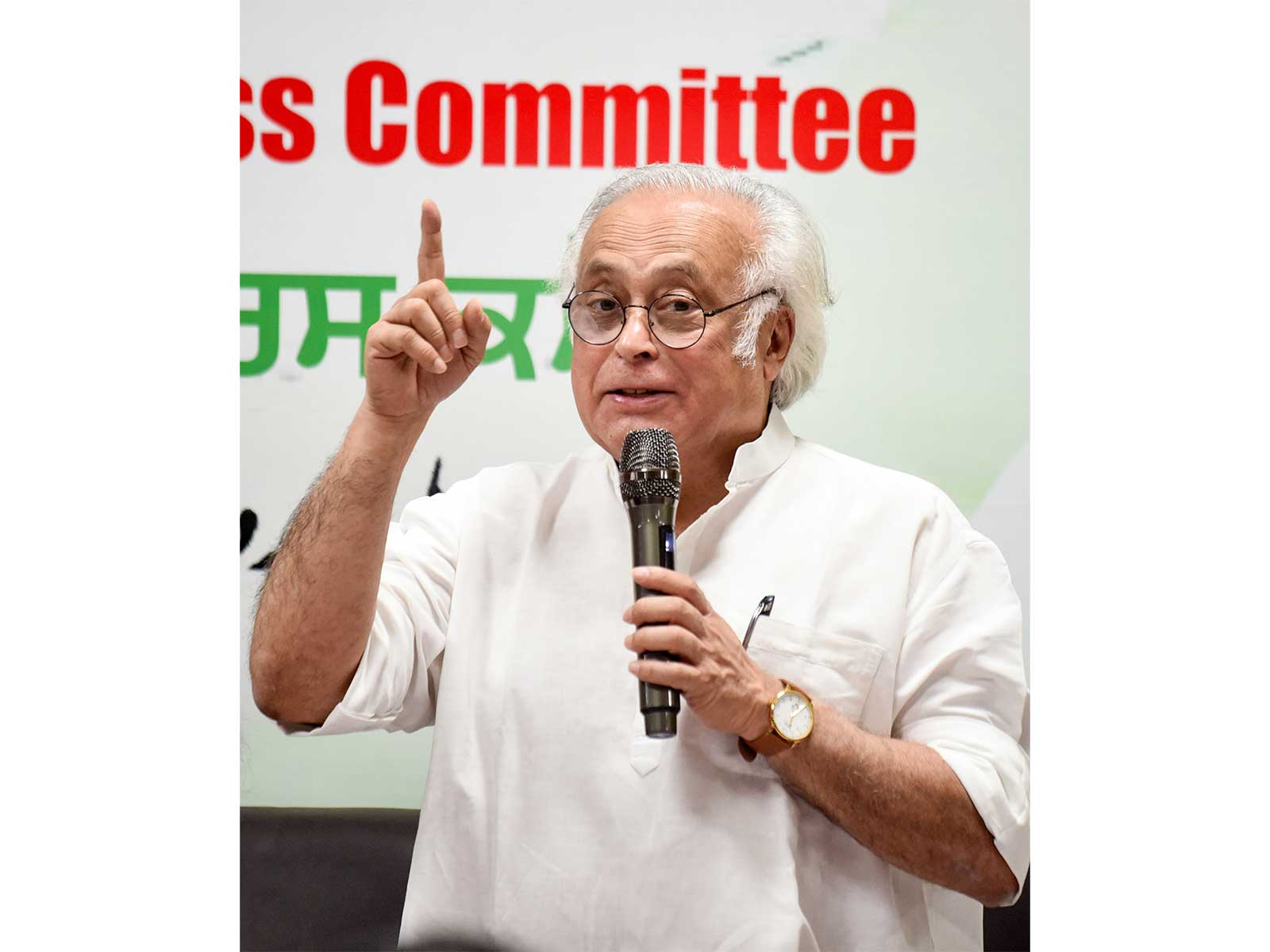
Congress leader Jairam Ramesh raises concerns over the proposed India-US trade deal, warning it could adversely affect Indian farmers and the country's economic interests.
New Delhi, June 23: Senior Congress leader Jairam Ramesh has strongly criticized the proposed India-US trade deal, warning that the interim agreement could negatively impact India’s farmers, domestic industries, and long-term economic interests. Speaking ahead of high-level trade discussions between Indian officials and the United States Trade Representative (USTR), Ramesh urged Prime Minister Narendra Modi not to sign any agreement that compromises India’s national interest.
The remarks come at a crucial time as United States Trade Representative Jamieson Greer arrived in New Delhi for discussions with Union Commerce and Industry Minister Piyush Goyal and senior government officials regarding the proposed bilateral trade agreement. Jairam Ramesh India-US Trade Deal The negotiations are expected to shape the future of trade relations between India and the United States amid ongoing tariff disputes and global economic uncertainty.
Jairam Ramesh Questions Interim India-US Trade Deal
In a post on social media platform X, Jairam Ramesh alleged that the proposed Jairam Ramesh India-US Trade Deal trade agreement heavily favors the United States while placing Indian farmers and manufacturers at a disadvantage.
According to the Congress MP, India has agreed to significantly reduce or eliminate tariffs on several American agricultural commodities and industrial goods. In return, the United States had promised to reduce tariffs on Indian exports from 25 percent to 18 percent under the interim agreement announced on February 6, 2026.
However, Ramesh argued that the situation changed dramatically after the US Supreme Court ruled on February 20, 2026, that President Donald Trump’s reciprocal tariff strategy was illegal. He claimed that this judgment effectively removed the tariff concessions promised to India, making the proposed agreement less beneficial.
Concerns Over US Tariff Policy
The Congress leader pointed out that shortly after the US Supreme Court’s decision, Washington imposed a temporary 10 percent tariff on imports from several trading partners, including India. These temporary tariffs are expected to remain in place until July 24, 2026, creating uncertainty for exporters and businesses.
Jairam Ramesh India-US Trade Deal Jairam Ramesh India-US Trade Deal questioned whether the United States could once again impose unilateral tariffs even if India signs the proposed trade agreement.
He argued that India would be making significant commitments while receiving very limited guarantees in return. According to him, the absence of legally binding assurances raises serious concerns about the effectiveness of the proposed agreement.
Indian Farmers Could Face Major Impact
One of Jairam Ramesh’s biggest concerns relates to India’s agricultural sector.
He claimed that reducing tariffs on American agricultural products would expose Indian farmers to increased competition from heavily subsidized US producers. States likely to be affected include Jammu and Kashmir, Himachal Pradesh, Bihar, Madhya Pradesh, Rajasthan, and Maharashtra.
According to the Congress leader,Jairam Ramesh India-US Trade Deal American agricultural imports could impact domestic prices and reduce income opportunities for Indian farmers. He warned that small and marginal farmers would face the greatest challenges if cheaper imported products enter the Indian market.
The Congress party has consistently maintained that any international trade agreement should prioritize the interests of Indian agriculture and rural livelihoods.
Allegations of Unequal Trade Commitments
Jairam Ramesh also criticized what he described as unequal commitments within the proposed India-US trade deal.
He claimed India has agreed to increase imports from the United States substantially over the next five years while reducing tariffs on multiple categories of American goods.
Meanwhile, Jairam Ramesh India-US Trade Deal he argued that the United States has not provided firm commitments guaranteeing stable market access for Indian exports.
According to Ramesh, India would be making irreversible concessions without adequate protection against future tariff increases or trade restrictions.
Reference to US Trade Investigations : Jairam Ramesh India-US Trade Deal
Another issue highlighted by the Congress leader is the ongoing US investigation into alleged unfair trade practices involving India and several other countries.
He stated that nearly 60 countries, including India, remain under investigation for practices that Washington believes violate American trade laws.
Jairam Ramesh India-US Trade Deal Ramesh alleged that these investigations are being used as leverage during trade negotiations to pressure India into signing the agreement quickly.
He described the proposed arrangement as “not a deal but a steal,” arguing that India should negotiate from a stronger position instead of accepting unfavorable conditions.
PM Modi Asked to Reconsider Agreement
Targeting Prime Minister Narendra Modi, Jairam Ramesh urged the government to avoid rushing into the agreement.
Jairam Ramesh India-US Trade Deal He accused the Prime Minister of “appeasing” US President Donald Trump and called on the government to prioritize India’s economic interests over diplomatic considerations.
Ramesh also referred to Trump’s repeated claims regarding Operation Sindoor, saying those statements remain unchallenged by the Indian government.
According to the Congress leader, India’s negotiating position should remain independent and focused solely on protecting national interests.
Malaysia Cited as an Example
Jairam Ramesh India-US Trade Deal While criticizing the proposed India-US trade deal, Jairam Ramesh pointed to Malaysia as an example of a country that chose not to move forward with its own trade negotiations following the US Supreme Court ruling.
He suggested that India should adopt a similar cautious approach until greater clarity emerges regarding future US tariff policies.
According to Ramesh, entering into a long-term trade agreement during a period of legal and policy uncertainty could expose India to unnecessary economic risks.
High-Level Trade Talks Continue
Despite political criticism,Jairam Ramesh India-US Trade Deal trade discussions between India and the United States continue.
US Trade Representative Jamieson Greer is meeting Commerce Minister Piyush Goyal and senior Indian officials to explore ways to strengthen bilateral trade and finalize the proposed agreement.
Both countries have been working toward expanding economic cooperation, increasing market access, reducing tariffs, and boosting investment opportunities.
The negotiations are considered important because India and the United States remain among each other’s largest trading partners, with bilateral trade continuing to grow across sectors including technology, pharmaceuticals, manufacturing, agriculture, and services.
Political Debate Intensifies
The proposed India-US trade deal has become a major political issue, with opposition parties questioning whether the agreement adequately protects Indian interests.
While the government has defended closer economic ties with the United States as beneficial for growth, investment, and exports, critics argue that sensitive sectors such as agriculture require stronger safeguards.
Political observers believe the final outcome of the negotiations will influence both India’s trade policy and domestic political debate in the coming months.
The debate surrounding the Jairam Ramesh India-US Trade Deal remarks highlights the broader challenge of balancing international trade opportunities with domestic economic priorities. As negotiations continue between New Delhi and Washington, concerns over tariff commitments, agricultural imports, and future trade guarantees are likely to remain central issues.
With high-level talks underway, the Indian government faces the task of securing an agreement that promotes economic growth while protecting farmers, industries, and national interests. The outcome of these negotiations will play a significant role in shaping the future of India-US economic relations.
About The Author