
NIA Chargesheets 11 Accused in Jamaat-ul-Mujahideen Bangladesh Terror Conspiracy Case, Probe Continues
 admin
admin 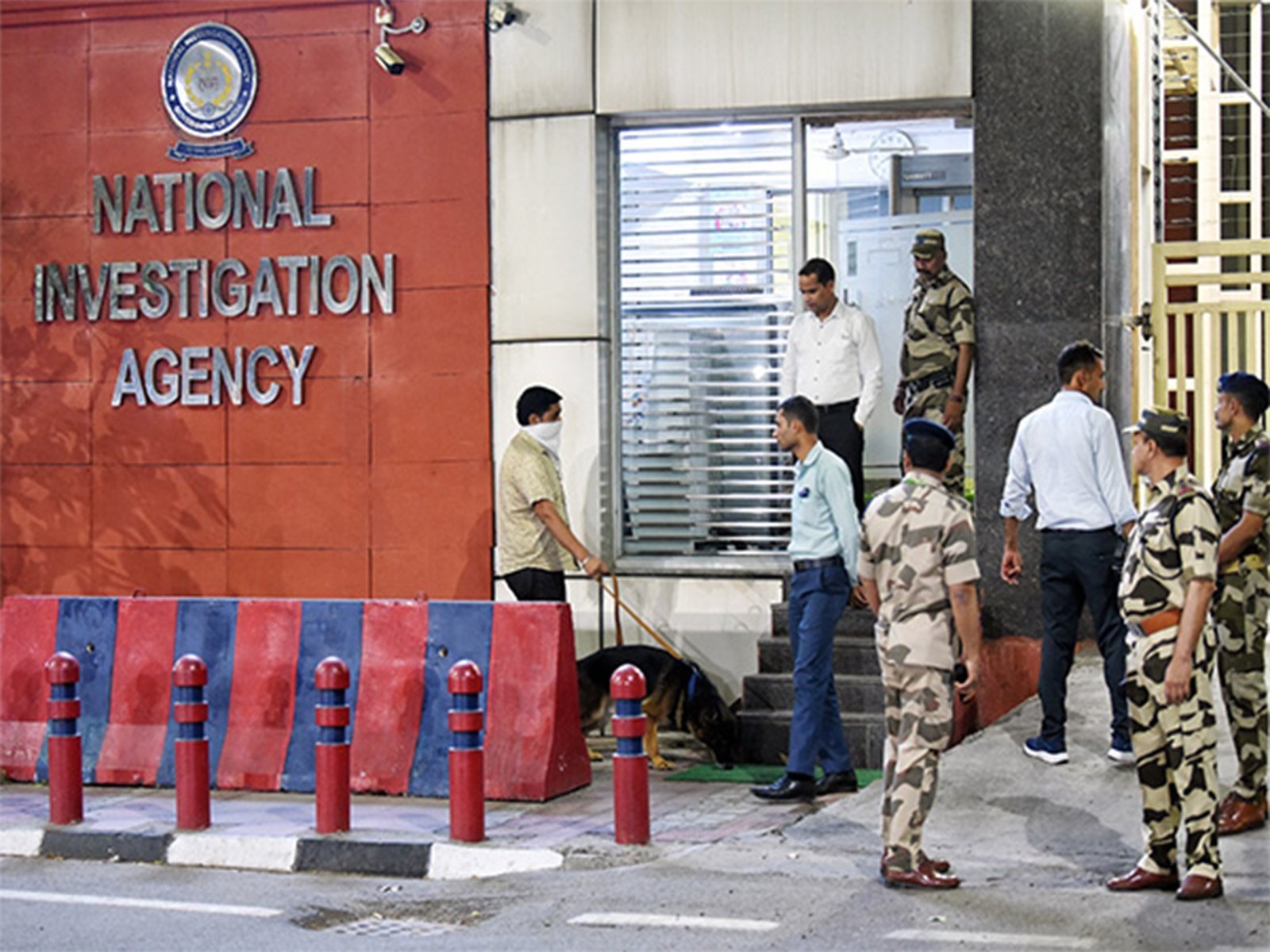
New Delhi, June 26: The National Investigation Agency (NIA) has filed a chargesheet against 11 accused individuals in a major Jamaat-ul-Mujahideen Bangladesh terror conspiracy case, exposing an alleged network that sought to spread extremist ideology and strengthen terrorist activities across eastern and northeastern India.
The chargesheet was submitted before the NIA Special Court in Guwahati, Assam, under various provisions of the Bharatiya Nyay Sanhita (BNS), 2023, and the Unlawful Activities (Prevention) Act (UAPA), 1967. According to the agency, the accused were actively involved in the Jamaat-ul-Mujahideen Bangladesh terror conspiracy through a banned outfit’s offshoot known as Imam Mahmuder Kafila (IMK).
NIA Reveals Details of Jamaat-ul-Mujahideen Bangladesh Terror Conspiracy
The NIA stated that its investigation uncovered a carefully planned Jamaat-ul-Mujahideen Bangladesh terror conspiracy aimed at expanding the influence of the banned Jamaat-ul-Mujahideen Bangladesh (JMB) in India. The accused allegedly worked together to recruit members, radicalise vulnerable youth, and promote extremist propaganda across several states.
According to investigators, IMK was established as an extension of the banned JMB by senior member Imam Mahmud Habibullah. The objective of the organisation was to secretly spread the extremist ideology of JMB and build a stronger support network inside India.
Network Spread Across West Bengal and Northeast
Officials said the Jamaat-ul-Mujahideen Bangladesh terror conspiracy was not confined to one region. Instead, it targeted West Bengal along with northeastern states such as Assam and Tripura.
The investigation found that members of IMK organised secret meetings, conducted religious indoctrination programmes, circulated extremist literature, and used encrypted digital platforms to promote anti-India propaganda. These activities formed a crucial part of the larger Jamaat-ul-Mujahideen Bangladesh terror conspiracy, according to the agency.
Key Accused Led Operations in Assam and Tripura
Among the 11 accused, Nasimuddin and Jagir Mia have been identified as key figures in the Jamaat-ul-Mujahideen Bangladesh terror conspiracy.
The NIA alleged that Nasimuddin was responsible for leading IMK operations in Assam, while Jagir Mia coordinated activities in Tripura. Investigators believe both played significant roles in expanding the organisation’s network and recruiting supporters.
Authorities claim the accused maintained allegiance to IMK and JMB leadership while working to increase the presence of the banned outfit across India.
Digital Evidence Strengthens Investigation
During the investigation, the NIA recovered several incriminating documents, electronic devices, mobile phones, storage media, and digital records. Officials said the evidence has helped establish links between the accused and the Jamaat-ul-Mujahideen Bangladesh terror conspiracy.
The agency also examined online communications and digital content allegedly used for spreading extremist ideology, recruiting members, and coordinating organisational activities.
Investigators believe these digital records played an important role in exposing the operational structure behind the Jamaat-ul-Mujahideen Bangladesh terror conspiracy.
Charges Filed Under BNS and UAPA
The accused have been booked under multiple sections of the Bharatiya Nyay Sanhita (BNS), 2023, as well as the Unlawful Activities (Prevention) Act, 1967.
The UAPA remains India’s primary anti-terror legislation, allowing authorities to investigate and prosecute individuals involved in terrorist organisations and activities. The NIA said the charges reflect the seriousness of the Jamaat-ul-Mujahideen Bangladesh terror conspiracy and its alleged threat to national security.
Radicalisation and Recruitment Alleged
The NIA alleged that one of the central objectives of the Jamaat-ul-Mujahideen Bangladesh terror conspiracy was the radicalisation of vulnerable youth.
According to investigators, the accused organised religious sessions, distributed extremist literature, and encouraged recruits to pledge allegiance to IMK and JMB leadership. Digital platforms were also allegedly used to spread propaganda and attract new members.
Officials believe these activities were intended to expand the influence of the organisation while strengthening its operational capabilities in India.
Investigation Still Underway
The NIA has clarified that the investigation into the Jamaat-ul-Mujahideen Bangladesh terror conspiracy remains ongoing. Officials are continuing to analyse digital evidence, financial records, and communication channels to identify additional individuals who may have been associated with the network.
Investigators are also examining whether the accused had links with operatives outside India and whether the network received logistical or financial support from external sources.
National Security Remains a Priority
The filing of the chargesheet marks a significant development in the ongoing Jamaat-ul-Mujahideen Bangladesh terror conspiracy investigation. Security agencies have intensified surveillance of extremist networks operating in sensitive border regions to prevent recruitment and terrorist activities.
Officials said coordinated efforts between central and state agencies remain essential in identifying extremist organisations, dismantling their networks, and preventing radicalisation.
The NIA reiterated that it will continue pursuing all leads in the Jamaat-ul-Mujahideen Bangladesh terror conspiracy to ensure those involved are brought to justice. The agency stated that protecting national security and preventing the spread of extremist ideology remain top priorities.
With the chargesheet now filed against the 11 accused, the legal proceedings will continue before the NIA Special Court in Guwahati while investigators pursue further evidence in one of the latest terror conspiracy cases under investigation.
About The Author