
 admin
admin 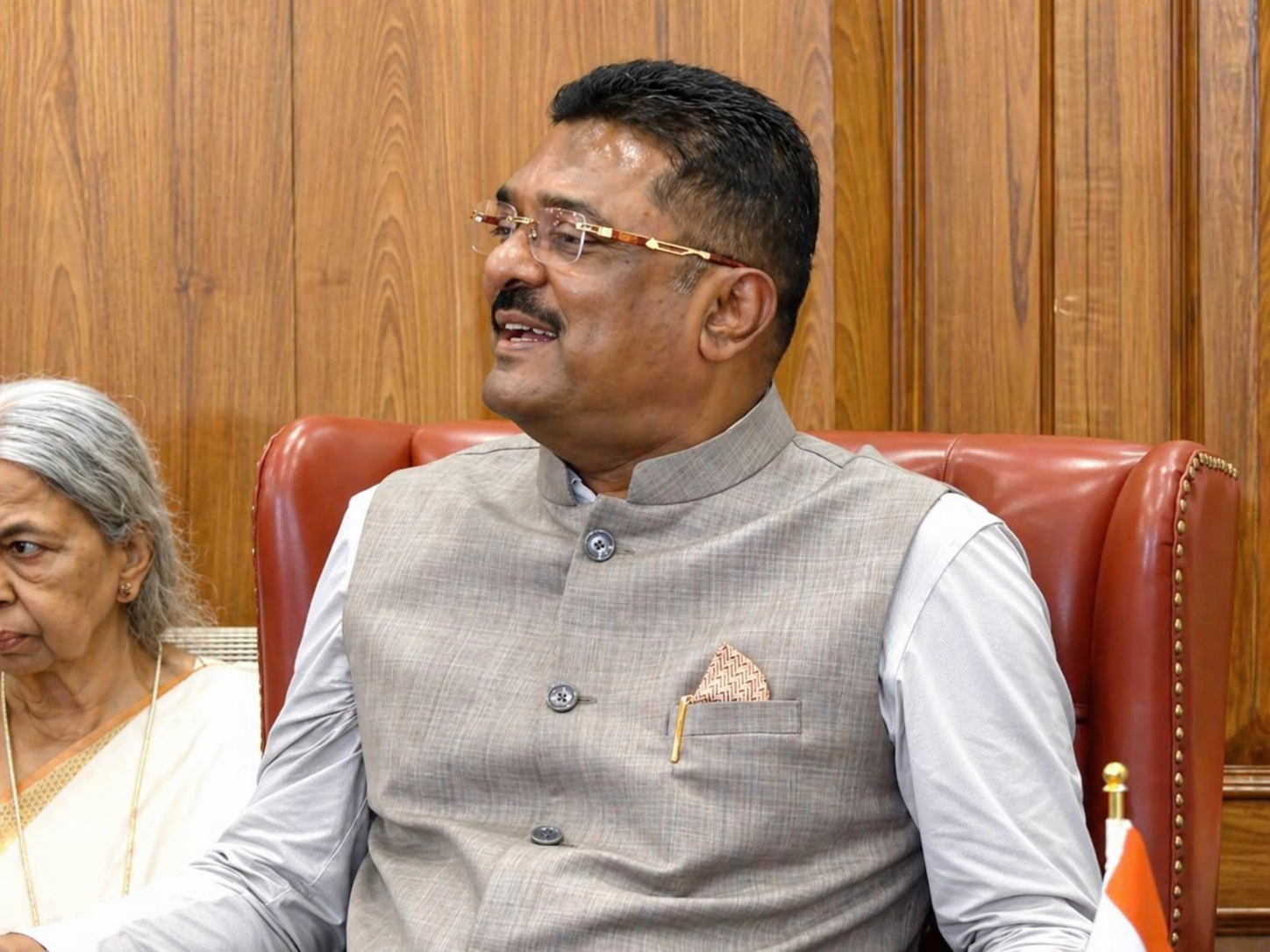
Mumbai, April 27, 2026
Mandatory Marathi for drivers Maharashtra is now a major policy move as the state government plans to implement new language rules for taxi and auto-rickshaw drivers.
In a significant policy move aimed at strengthening regional communication and improving passenger experience, Maharashtra Transport Minister Pratap Sarnaik has called a crucial meeting with auto-rickshaw and taxi union leaders to discuss the implementation of mandatory Marathi language proficiency for commercial vehicle drivers across the state.
Government Push for Marathi Language Implementation
The Maharashtra government has recently proposed making the Marathi language compulsory for all commercial passenger vehicle drivers, including those operating taxis and auto-rickshaws. The initiative focuses on ensuring that drivers can communicate effectively with passengers in Marathi, which is widely spoken across the state. According to officials, the emphasis will be on “practical Marathi”, meaning drivers should be able to understand and speak the language comfortably rather than having advanced writing skills.
This move is being seen as part of a broader effort to preserve regional identity while also addressing everyday communication challenges faced by commuters, especially in urban areas like Mumbai.
High-Level Meeting with Transport Union Leaders
The meeting, scheduled at the minister’s chamber, will bring together key stakeholders, including prominent political figure Sanjay Nirupam and senior trade union leader Shashank Sharad Rao. Several representatives from transport unions are also expected to participate in discussions.
The primary objective of this meeting is to gather insights, concerns, and suggestions from union leaders before the policy is implemented statewide. The government has indicated that it is open to feedback and may incorporate practical suggestions to ensure smooth execution without disrupting the livelihood of drivers.
Verification Drive to Begin from May 1
As part of the implementation strategy, the state government has announced a verification campaign starting May 1. During this drive, authorities will check transport-related documents and assess drivers’ Marathi language skills. The campaign will also aim to identify irregularities, including fake licences or incomplete documentation.
Minister Sarnaik has made it clear that strict action will be taken against those who fail to comply with the new rules. However, the government has also emphasized that the initiative is not intended to penalize drivers but to improve service quality and ensure better communication between drivers and passengers.
The Mandatory Marathi for drivers Maharashtra policy aims to improve communication between drivers and passengers across the state.
Marathi Training Initiatives for Drivers
To support drivers in meeting the new requirements, several cultural organizations have stepped forward to provide language training. The Mumbai Marathi Sahitya Sangh will conduct Marathi classes for drivers across Mumbai, while the Konkan Marathi Sahitya Parishad will handle similar training efforts in the Konkan region.
These training programs are expected to play a crucial role in helping drivers quickly adapt to the new policy, ensuring that they are not adversely affected by the changes.
Balancing Regulation and Public Convenience
The government’s decision has sparked discussions among various stakeholders, with some supporting the move as a step toward cultural preservation, while others have raised concerns about its impact on drivers from non-Marathi-speaking backgrounds. However, officials maintain that the focus is on basic conversational ability, which can be acquired through short-term training.
The Mandatory Marathi for Drivers Maharashtra initiative is expected to reshape transport services while promoting regional language use.
By introducing this policy, the Maharashtra government aims to create a more seamless travel experience for passengers while also reinforcing the importance of the state’s linguistic heritage. The upcoming meeting is expected to play a key role in shaping the final framework of the policy before it is rolled out across Maharashtra.
About The Author