
 admin
admin 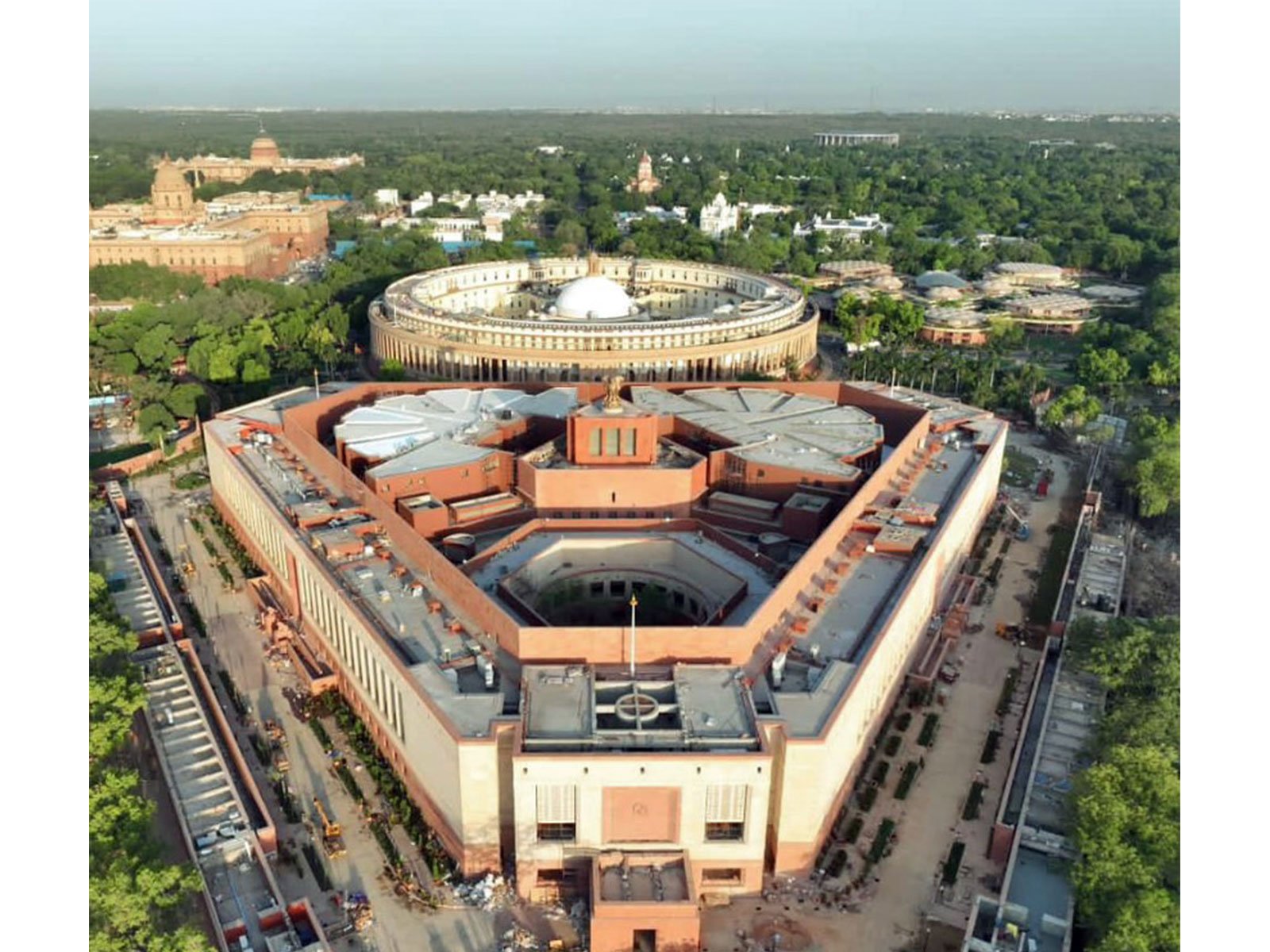
New Delhi, India, August 10: The government on Monday introduced the Mines and Minerals Amendment Bill 2026 in the Lok Sabha, proposing significant changes to India’s existing mining framework. The proposed legislation seeks to provide greater flexibility to mining lease holders, encourage mineral exploration and development, and strengthen the country’s focus on critical and strategic minerals.
The Mines and Minerals Amendment Bill 2026 seeks to amend the Mines and Minerals (Development and Regulation) Act, 1957. Among its key proposals are allowing multiple minerals to be included in an existing mining lease, expanding the scope of mineral exploration funding and removing the existing limit on the sale of minerals produced from captive mines.
Mines and Minerals Amendment Bill 2026 Introduces Multiple Mineral Leases
One of the major proposals under the Mines and Minerals Amendment Bill 2026 is to allow holders of mining leases granted for a specific mineral to apply to the state government for the inclusion of additional minerals in the same lease.
For critical and strategic minerals and certain other specified minerals, including lithium, graphite, nickel, cobalt, gold and silver, no additional amount would be required for their inclusion.
For other minerals, the leaseholder would be required to pay an amount equivalent to the royalty applicable to the mineral being added.
In the case of auctioned mines, the leaseholder would also have to pay the applicable auction premium for the additional mineral. However, the Central Government would have the power to modify these payment requirements through notification.
Critical Minerals Get Greater Focus
The proposed amendments place considerable emphasis on critical and strategic minerals that are increasingly important for India’s industrial and economic requirements.
Minerals such as lithium, cobalt, nickel and graphite have significant applications in areas including batteries, electric vehicles, renewable energy and advanced technologies.
By allowing such minerals to be included in existing mining leases, the government aims to broaden the mineral resource base available to mining companies and encourage greater exploration and development.
The Mines and Minerals Amendment Bill 2026 is therefore expected to provide additional flexibility to leaseholders while supporting the development of strategically important mineral resources.
Minor Minerals Can Also Be Included in Certain Leases
The Bill also proposes provisions for the inclusion of minor minerals in mining leases granted for major minerals.
Under the proposed framework, state governments may determine the royalty and other payments applicable in such cases.
Minor minerals include materials such as building stones, gravel and sand, along with other minerals that have been declared as minor minerals by the Central Government.
At the same time, the Bill proposes that conditions for including major minerals in leases granted for minor minerals will be prescribed by the Central Government through Rules.
An atomic mineral above a specified grade, however, cannot be included in a mining lease granted for non-atomic minerals.
Mineral Exploration Trust to Get Wider Role
Another significant proposal concerns the National Mineral Exploration Trust.
At present, the Trust is primarily mandated to finance mineral exploration. The proposed legislation seeks to expand its role to include the development of mines and minerals.
Following the proposed change, the Trust would be renamed the National Mineral Exploration and Development Trust.
The expanded mandate could allow greater financial support for both exploration and development activities, potentially helping projects move more efficiently from the exploration stage toward mineral production.
Captive Mines May Sell More Minerals
A major change proposed by the Mines and Minerals Amendment Bill 2026 relates to the sale of minerals produced from captive mines.
Under the existing framework, captive mines can sell up to 50 per cent of the minerals produced in a year after meeting their end-use requirements.
The proposed Bill seeks to remove this ceiling.
The removal of the 50 per cent limit could provide captive mine operators with greater flexibility in managing and selling their mineral output after fulfilling their specified end-use obligations.
The Bill also proposes empowering state governments to permit the sale of mineral dumps that have been stacked within leased areas up to a date specified by the Central Government.
Deep-Seated Mineral Exploration Gets Area Extension
The legislation also proposes changes for deep-seated minerals, which occur at depths of more than 200 metres below the land surface.
For such minerals, the Bill proposes a one-time extension of the area covered under a mining or composite lease.
Under the proposal, the leased area could be extended by up to 30 per cent of the existing area under a composite licence.
For a mining lease, the extension could be up to 10 per cent of the existing area.
A composite licence provides rights for both prospecting and mining, allowing the holder to undertake exploration and subsequently move towards mineral extraction under the applicable framework.
New Authority Proposed for Mineral Exchanges
The Mines and Minerals Amendment Bill 2026 also proposes the establishment of an authority for the registration and regulation of mineral exchanges.
A mineral exchange would be defined as a registered electronic trading platform or marketplace for trading minerals and metals.
The Central Government would frame Rules governing these exchanges. The proposed regulatory framework would cover registration, fees and charges, prevention of insider trading and market manipulation, as well as grievance redressal mechanisms.
The move is aimed at establishing a structured framework for the electronic trading of minerals and metals.
Bill Aims to Encourage Mineral Development
The proposed amendments are intended to broaden the mineral resource base available to miners and encourage exploration and development, particularly in the area of critical and strategic minerals.
The government has also proposed greater flexibility for mining lease holders by allowing additional minerals to be included under existing leases, subject to applicable conditions and payments.
The expansion of the National Mineral Exploration and Development Trust could further strengthen financial support for mineral exploration and mine development.
At the same time, the removal of the captive mining sale ceiling could provide greater flexibility to companies that operate captive mines.
What Happens Next With the Mining Bill?
The introduction of the Mines and Minerals Amendment Bill 2026 in the Lok Sabha marks the beginning of the parliamentary process for the proposed changes.
The legislation will be examined through the parliamentary process before any proposed amendments become part of the country’s mining regulatory framework.
If enacted, the proposed measures could have implications for mining lease holders, mineral exploration companies, state governments, mineral traders and industries dependent on domestic mineral resources.
The focus on critical minerals, deeper mineral deposits and mineral exchanges also indicates an effort to modernise India’s approach to mineral exploration, production and trading.
The proposed legislation seeks to balance greater flexibility for the mining sector with regulatory oversight, while encouraging the exploration and development of India’s mineral resources.
About The Author