
 admin
admin 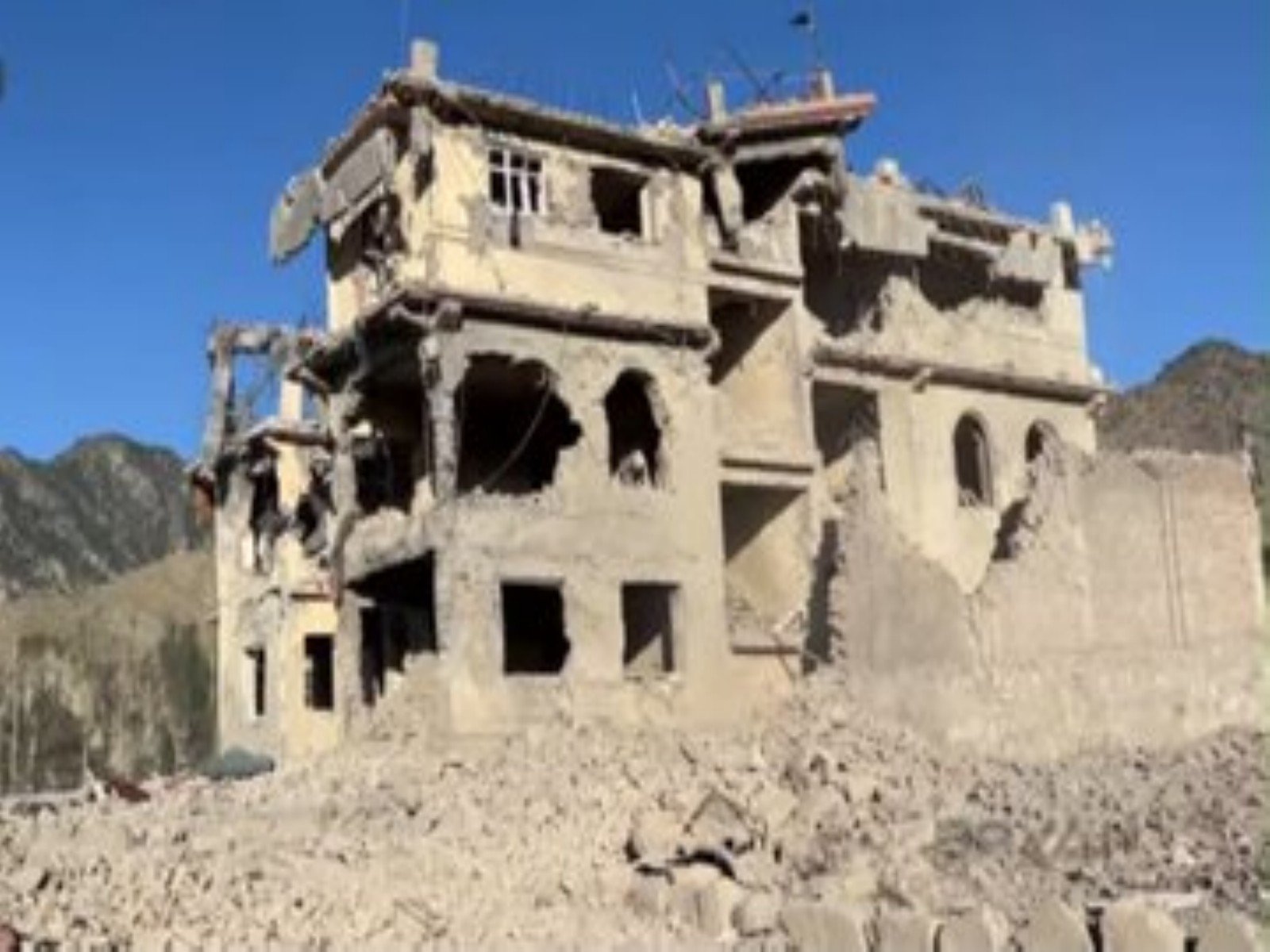
Pakistani Air Strikes in Afghanistan Leave 36 Civilians Dead, 163 Injured: Taliban Government
Kabul, Afghanistan, June 29: Pakistani air strikes in Afghanistan have reportedly killed 36 civilians and injured 163 others, according to the Taliban-led Afghan government. The latest cross-border military operation has significantly escalated tensions between Pakistan and Afghanistan, raising concerns over civilian safety and regional stability.
The Afghan government stated that the Pakistani air strikes in Afghanistan targeted multiple eastern provinces, including Paktia, Paktika, and Kunar, causing extensive destruction to civilian homes and infrastructure. Officials claimed that women, children, and elderly residents were among those killed during the overnight attacks.
The deadly Pakistani air strikes in Afghanistan have sparked fresh diplomatic concerns as both neighboring countries continue to exchange accusations over cross-border militant activities.
Afghan Government Details Civilian Casualties
Taliban deputy spokesperson Hamdullah Fitrat released casualty figures through social media, stating that the Pakistani air strikes in Afghanistan resulted in the deaths of 36 civilians, while 163 others sustained injuries.
According to Fitrat, three residential houses were completely destroyed during the military operation.
He stated:
“According to the reports available thus far, the attacks carried out last night resulted in the martyrdom of 36 civilians, including women and children, while 163 others sustained injuries. Three residential houses were completely destroyed.”
The Afghan administration has described the Pakistani air strikes in Afghanistan as a direct attack on civilian areas rather than military targets.
Paktia Province Witnesses Heavy Bombardment
One of the worst-hit locations during the Pakistani air strikes in Afghanistan was Mandokhail Village in the Chamkani District of Paktia Province.
According to Afghan officials, Pakistani fighter jets bombed a civilian residence, killing an elderly man and a child while injuring several family members.
The situation reportedly worsened when local villagers gathered to rescue survivors.
Fitrat alleged that the area was bombed for a second time during rescue operations.
The second strike reportedly killed 28 villagers and injured 158 others, making it the deadliest incident during the Pakistani air strikes in Afghanistan.
If confirmed independently, the attack would represent one of the highest civilian casualty incidents along the Afghanistan-Pakistan border this year.
Paktika and Kunar Also Targeted
The Pakistani air strikes in Afghanistan also hit Walust Village in Giyan District, Paktika Province.
According to Afghan authorities, six civilians—mostly women and children—were killed after a residential house was struck.
Meanwhile, another airstrike targeted Barolo Village in Manogai District of Kunar Province.
Although no casualties were reported there, Afghan officials stated that a civilian house was completely destroyed, causing significant property damage.
Residents have reportedly fled several affected villages fearing additional military operations.
Pakistan Justifies Military Operation
Pakistan has defended the military campaign, describing it as a counter-terrorism operation targeting militant infrastructure near the Afghanistan border.
Pakistan’s Information Minister Attaullah Tarar stated that the country’s security forces carried out a “well-planned intelligence-based ground operation” alongside aerial strikes.
According to Pakistani officials, the operation was launched following a series of terrorist attacks inside Pakistan.
Islamabad blamed militant groups operating from Afghan territory for recent attacks on security camps in Khyber Pakhtunkhwa, Balochistan, and a paramilitary installation in Karachi.
Pakistan maintains that it reserves the right to eliminate terrorist threats originating across the border.
Karachi Terror Attack Triggered Escalation
The latest Pakistani air strikes in Afghanistan came shortly after militants attacked the headquarters of the Pakistan Sindh Rangers in Karachi’s Gulistan-i-Jauhar area.
According to Pakistani media reports, militants rammed a vehicle into the security compound before engaging in heavy gunfire and explosions.
Officials stated that three Pakistani Rangers personnel and three attackers were killed during the assault.
The attack was reportedly claimed by an affiliate of Jamaat-ul-Ahrar, a splinter faction of the Tehreek-e-Taliban Pakistan (TTP).
Pakistan cited these attacks as one of the reasons behind its military response across the border.
Rising Border Tensions Between Pakistan and Afghanistan
The Pakistani air strikes in Afghanistan have once again highlighted deteriorating relations between Islamabad and Kabul.
Border clashes have continued for several months as both countries accuse each other of supporting armed militant groups.
The latest operation comes less than three weeks after Pakistan conducted previous strikes against what it described as militant hideouts inside Afghan territory.
Those attacks had already strained bilateral relations despite diplomatic efforts to restore calm.
Security experts warn that continued military exchanges could further destabilize the region and increase humanitarian concerns for civilians living near the border.
Peace Efforts Face Another Setback
International efforts to reduce tensions between Pakistan and Afghanistan have struggled to produce lasting results.
China previously hosted diplomatic discussions aimed at encouraging both nations to reduce hostilities and pursue peaceful dialogue.
Both governments had reportedly expressed willingness to avoid further escalation.
However, the latest Pakistani air strikes in Afghanistan have raised doubts about the future of those commitments.
Observers believe repeated military operations risk undermining regional peace initiatives while increasing the likelihood of further retaliation.
Humanitarian Concerns Grow
Human rights observers continue to express concern over civilian casualties resulting from cross-border military operations.
Villages along the Pakistan-Afghanistan border have experienced repeated displacement, destruction of homes, and disruption of essential services.
Aid organizations warn that renewed fighting may worsen humanitarian conditions for thousands of families already facing economic hardship and limited access to healthcare.
Calls for an independent investigation into the reported civilian deaths have also grown as international attention focuses on the latest escalation.
The reported Pakistani air strikes in Afghanistan have significantly intensified tensions between the two neighboring countries.
According to the Afghan government, the attacks killed 36 civilians and injured 163 others, while Pakistan insists the military operation targeted terrorist elements responsible for recent attacks inside its territory.
As both governments continue to defend their positions, regional stability remains fragile. Diplomatic engagement, independent verification of casualty claims, and renewed peace negotiations will likely play a crucial role in preventing further escalation and protecting civilians living along the volatile Afghanistan-Pakistan border.
About The Author