
PM Modi attends ceremonial reception for South Korean President Lee Jae Myung at Rashtrapati Bhavan
 admin
admin 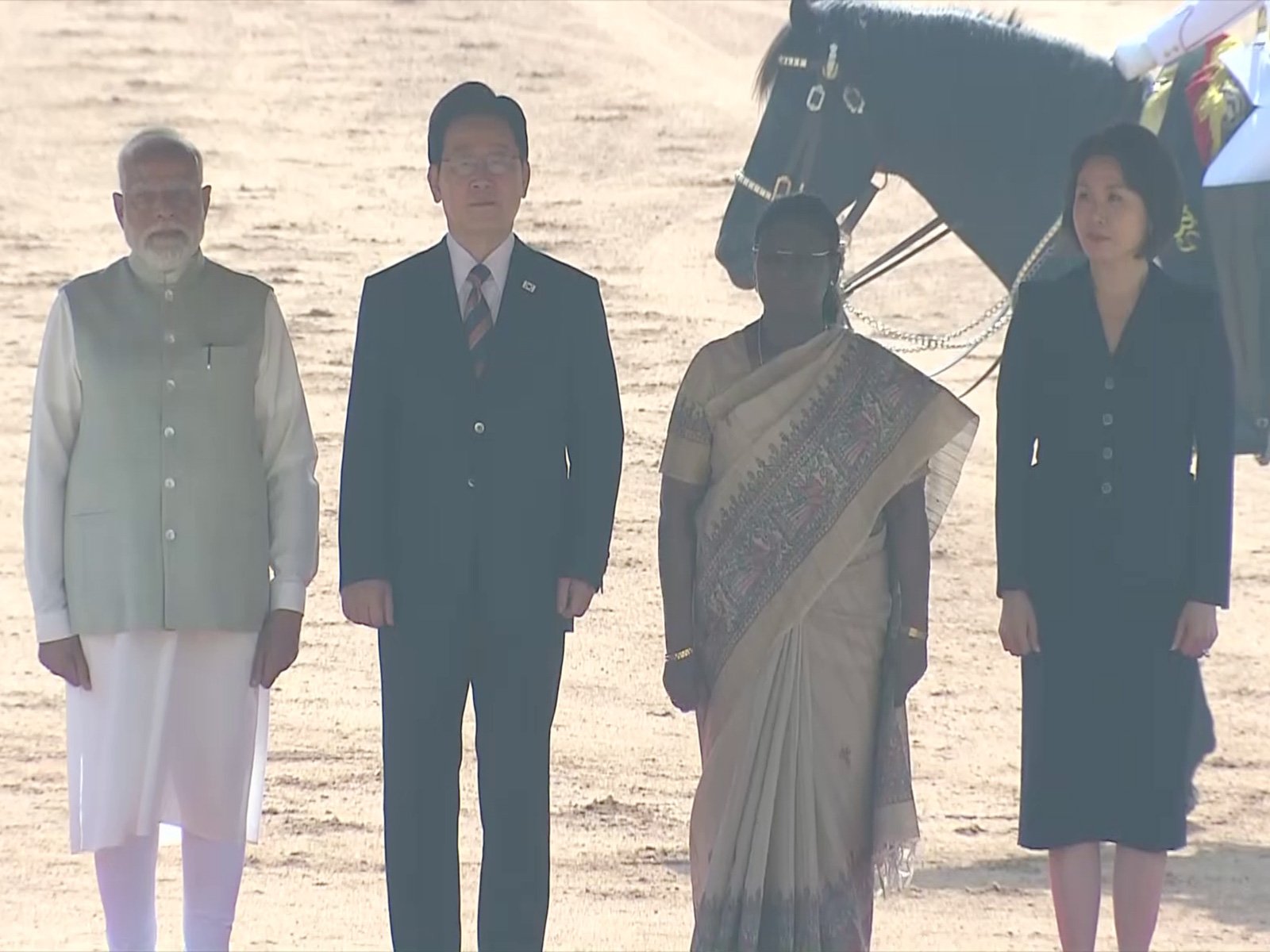
New Delhi | April 20, 2026
In a significant diplomatic development, Prime Minister Narendra Modi on Monday welcomed South Korean President Lee Jae Myung with a grand ceremonial reception at Rashtrapati Bhavan. The event marks a crucial moment in strengthening bilateral relations between India and South Korea, reflecting deepening cooperation across economic, technological, and strategic domains.
The ceremony was attended by President Droupadi Murmu, along with senior government officials and dignitaries. South Korean First Lady Kim Hea Kyung accompanied President Lee during the ceremonial welcome, which included a guard of honour and traditional formalities at the forecourt of Rashtrapati Bhavan.
Historic Visit After Eight Years
President Lee’s visit to India is particularly noteworthy as it marks the first visit by a South Korean leader in over eight years. The three-day state visit highlights the growing importance of India in South Korea’s foreign policy, especially in the context of evolving global supply chains and geopolitical dynamics.
After arriving in New Delhi on Sunday, President Lee engaged with members of the Korean diaspora, emphasizing the importance of the upcoming summit with Prime Minister Modi. He described the visit as a potential “turning point” that could elevate India–South Korea relations to a new level.
Tribute to Mahatma Gandhi at Rajghat
Following the ceremonial reception, President Lee visited Rajghat to pay homage to Mahatma Gandhi. The visit reflects the shared values of peace, democracy, and non-violence that underpin the relationship between the two nations.
This symbolic gesture further strengthens cultural and historical connections, reinforcing mutual respect and shared global visions.
India–South Korea Summit at Hyderabad House
The centerpiece of the visit is the high-level bilateral summit scheduled at Hyderabad House. During the summit, Prime Minister Modi and President Lee are expected to engage in comprehensive discussions covering a wide range of sectors.
Key Focus Areas of the Summit:
- Semiconductor Manufacturing: Strengthening collaboration in chip production and technology supply chains
- Defence Manufacturing: Expanding joint ventures and strategic defence partnerships
- Green Energy: Promoting sustainable development and renewable energy initiatives
- Trade Relations: Enhancing economic ties under the Comprehensive Economic Partnership Agreement (CEPA)
The leaders are also expected to address global challenges, including supply chain resilience, regional security, and climate change cooperation.
India’s Growing Global Role Highlighted
During his interactions, President Lee emphasized India’s transformation into a global manufacturing powerhouse. He noted that India is no longer just a consumer market but a key driver of global production and logistics networks.
This recognition aligns with India’s ongoing initiatives such as “Make in India” and its growing influence in international trade and industrial ecosystems.
Strengthening the Special Strategic Partnership
India and South Korea elevated their relationship to a Special Strategic Partnership in 2015. Since then, bilateral cooperation has expanded across multiple sectors, including:
- Infrastructure development
- Technology and innovation
- Automotive and electronics manufacturing
- Cultural exchange and education
President Lee’s visit is expected to further strengthen this partnership, opening new avenues for collaboration and investment.
Business Forum at Bharat Mandapam
In addition to diplomatic engagements, President Lee will participate in a business forum at Bharat Mandapam. The forum will bring together industry leaders, policymakers, and investors from both countries.
The objective is to boost trade, encourage investments, and create new opportunities for collaboration in emerging sectors such as artificial intelligence, digital infrastructure, and advanced manufacturing.
Meeting with External Affairs Minister
Earlier, President Lee held discussions with External Affairs Minister S Jaishankar, focusing on diplomatic cooperation and regional security issues. These preliminary talks laid the groundwork for the broader summit discussions between the two leaders.
Economic and Strategic Significance
The visit comes at a time when both nations are looking to diversify their economic partnerships and reduce dependency on traditional supply chains. South Korea sees India as a critical partner in expanding its presence in South Asia and beyond.
For India, South Korea represents a key investor and technology partner, particularly in sectors like electronics, automobiles, and heavy industries.
Future Outlook: A New Chapter in Bilateral Relations
The upcoming joint statement following the summit is expected to outline a roadmap for future cooperation. Analysts believe that this visit could significantly enhance bilateral trade, strategic coordination, and technological collaboration.
With shared democratic values and complementary economic strengths, India and South Korea are well-positioned to build a robust partnership that contributes to regional stability and global economic growth.
The ceremonial welcome of President Lee Jae Myung by Prime Minister Narendra Modi at Rashtrapati Bhavan marks more than just a diplomatic tradition—it signifies a renewed commitment to deepening ties between two major Asian economies.
As discussions progress and agreements take shape, this visit could redefine India–South Korea relations, paving the way for stronger economic integration, strategic collaboration, and a shared vision for the future.
About The Author